
Ingredient · Updated
Sodium Laureth Sulfate
Found in 6 products

What is Sodium Laureth Sulfate?
Sodium Laureth Sulfate (SLES) is a common surfactant used in many personal care products. It is made from ethoxylated lauryl alcohol derived from either coconut oil or petroleum, then treated with sulfuric acid and neutralized with sodium carbonate.
SLES is primarily used in shampoos and soaps for its ability to create a foamy lather, which helps to clean and remove oils from the hair and skin. However, it has been a subject of concern due to reports of skin irritation in some people, and environmental impact due to its manufacture and degradation.
For consumers, it's important to be aware that while SLES is effective at cleansing, it may not be suitable for those with sensitive skin or those seeking eco-friendly products.
Commonly found in: Shampoos, Body Washes, Face Cleansers, Toothpastes, Liquid Soaps
What to watch
- Some people experience skin irritation and dryness from SLES.
- Environmental concerns due to its manufacturing process.
Benefits
- Effective as a cleansing and foaming agent in personal care products.
The FDA does not specifically regulate SLES, but it is considered safe for use in cosmetics as per general safety standards.
Studies recognize SLES as an effective surfactant but highlight potential skin irritation issues and environmental concerns.
SLES is typically considered vegan as it is not derived from animal sources.
Sources: Sodium Laureth Sulfate: safety and environmental effects
Scout's take
Sodium Laureth Sulfate is a surfactant used for its cleaning properties. It is milder than Sodium Lauryl Sulfate but still poses a risk of skin irritation. Additionally, it may be contaminated with 1,4-dioxane, a potential carcinogen.
The case against
Potential skin irritant and may contain 1,4-dioxane, a possible carcinogen.
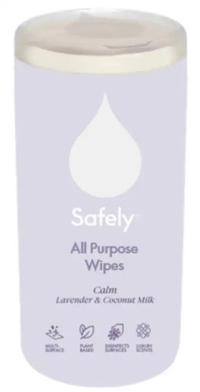
from the analysis of Safely Multi-Surface Cleaning Wipes CalmIt can cause skin irritation and may be contaminated with 1,4-dioxane.
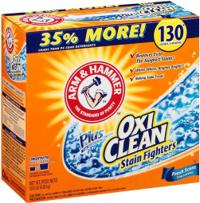
from the analysis of Arm & Hammer OxiClean Stain Fighters DetergentPotential contamination with 1,4-dioxane, a probable human carcinogen.
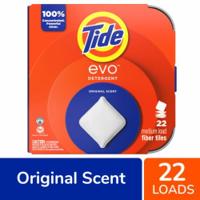
from the analysis of Tide EVO Detergent Original ScentPotential skin irritant and risk of 1,4-dioxane contamination.
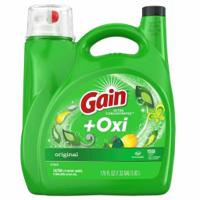
from the analysis of Gain OXI OriginalThe case for
It is effective in removing oils and dirt due to its surfactant properties.
from the analysis of Arm & Hammer OxiClean Stain Fighters DetergentEffective in removing dirt and oils from surfaces.
from the analysis of Safely Multi-Surface Cleaning Wipes CalmEffective in creating foam and cleaning surfaces.
from the analysis of Gain OXI OriginalProvides effective foaming and cleaning action.
from the analysis of Tide EVO Detergent Original ScentMore from Scout's analyses
Sodium Laureth Sulfate is a milder surfactant compared to SLS but still poses risks of skin irritation. It is often contaminated with 1,4-dioxane, a potential carcinogen. While it is less irritating than SLS, the contamination risk is a concern.
from the analysis of Tide EVO Detergent Original ScentSodium Laureth Sulfate is a surfactant that helps in foaming and cleaning. It is milder than SLS but still poses a risk of skin irritation. There is also a risk of 1,4-dioxane contamination from the ethoxylation process.
from the analysis of Gain OXI OriginalEthoxylated sulfate cleanser in a conditioner -- unusual and unnecessary. Carries 1,4-dioxane (IARC Group 2B probable human carcinogen) contamination risk.
from the analysis of L'Oréal Paris Elvive Hyaluron + Plump 72H Hydrating ConditionerAll 6 products with Sodium Laureth Sulfate
Where Sodium Laureth Sulfate shows up
- Laundry 3 products
- Body Care 1 product
- Surface Cleaners 1 product
- Hair Care 1 product
Higher-scoring picks without Sodium Laureth Sulfate
Products from the same categories whose analyzed ingredient list does not include Sodium Laureth Sulfate, scoring 80 or above.
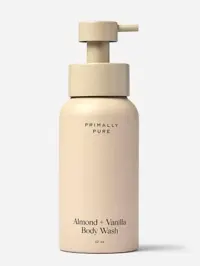
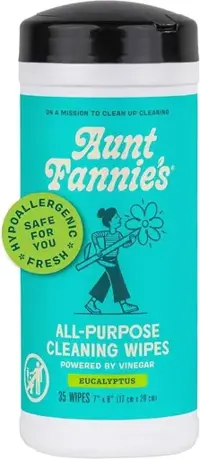
Scan any product to see every ingredient explained — and healthier swaps.