


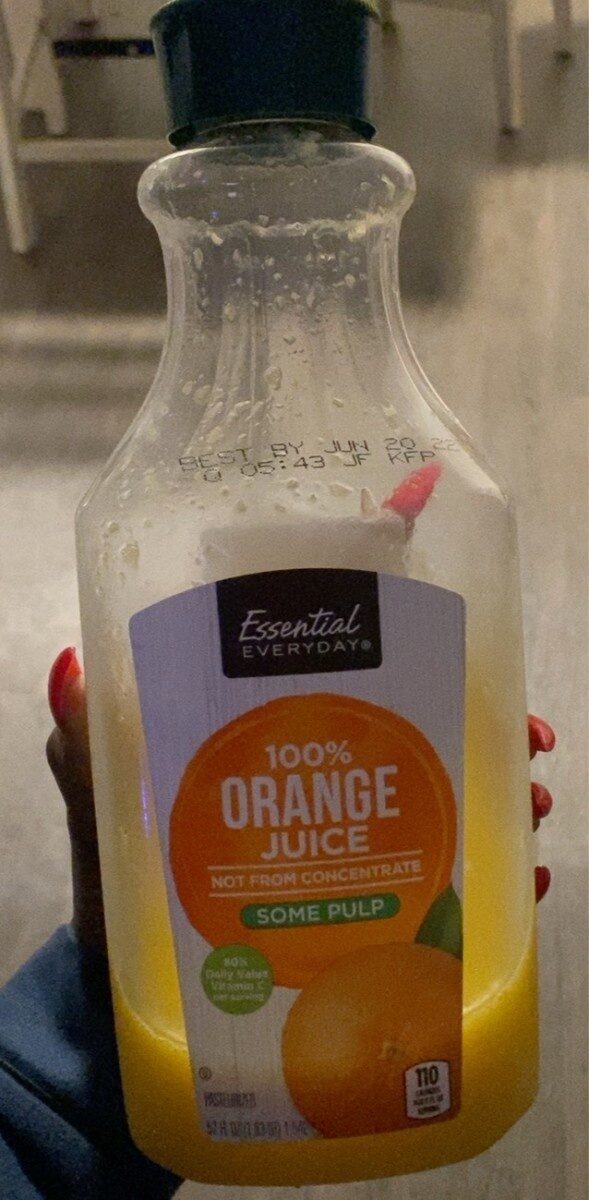


At a glance
Summary
This orange juice is minimally processed and made from organic ingredients, which enhances its nutritional value by avoiding synthetic pesticides and fertilizers. The addition of tri-calcium phosphate, calcium lactate, and vitamin D3 fortifies the juice with essential nutrients for bone health, making it a well-rounded beverage choice. The natural sugars present are balanced by the juice's inherent nutrients, contributing to its high rating.
Key ingredients 4
Organic Orange JuiceVery Good
Organic orange juice is a natural source of vitamin C and antioxidants, which support immune function and overall health. Being organic, it is free from synthetic pesticides and fertilizers, enhancing its nutritional profile. The natural sugars present are balanced by fiber and nutrients, making it a healthier choice compared to sugary beverages.
Benefits
Rich in vitamin C and antioxidants, supporting immune health and providing essential nutrients.
Tri-Calcium PhosphateGood
Tri-calcium phosphate is used to fortify foods with calcium, which is essential for bone health. It is a safe and effective way to increase calcium intake without altering the taste of the product. This ingredient is particularly beneficial in non-dairy products to help meet daily calcium requirements.
Risks
Excessive intake may lead to hypercalcemia, but this is unlikely from normal consumption levels.
Benefits
Provides a source of calcium, supporting bone health and preventing deficiencies.
Calcium LactateGood
Calcium lactate is another form of calcium used to fortify foods, enhancing calcium content for bone health. It is well-absorbed and does not significantly alter the flavor of the product. This ingredient is beneficial for individuals needing additional calcium intake, especially in non-dairy products.
Benefits
Enhances calcium intake, supporting bone health and preventing calcium deficiency.
Vitamin D3Good
Vitamin D3 is crucial for calcium absorption and bone health, and it supports immune function. Fortifying beverages with vitamin D3 helps address common deficiencies, especially in regions with limited sunlight exposure. This addition makes the product more nutritionally complete.
Risks
Excessive intake can lead to toxicity, but this is rare and typically due to over-supplementation.
Benefits
Supports bone health and immune function by enhancing calcium absorption and addressing vitamin D deficiencies.
Processing
Unprocessed or Minimally Processed Foods
Get the full breakdown in the Scout appTake Scout shopping
Scan any product to see lab results, healthy alternatives, and your personalized analysis.
Download on theApp Store GET IT ONGoogle Play