
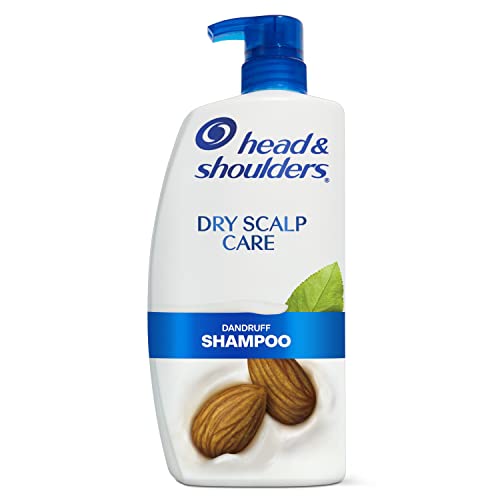

Head & Shoulders Anti-Dandruff Shampoo Dry Scalp Care 23.7 oz
Summary
This shampoo contains Pyrithione Zinc, which is beneficial for treating dandruff due to its anti-fungal properties. However, it also includes Sodium Laureth Sulfate and Sodium Lauryl Sulfate, which are harsh surfactants that can strip natural oils from the scalp, potentially causing dryness and irritation. The presence of these sulfates, combined with the product's processed nature, impacts its overall rating.
At a glance
Key ingredients 11
Pyrithione ZincGood
Pyrithione Zinc is an active ingredient known for its anti-fungal and anti-bacterial properties, making it effective in treating dandruff. It is synthesized through a chemical process that ensures its stability and efficacy in shampoo formulations. Its inclusion in the product helps reduce scalp irritation and flakiness.
Risks
Some individuals may experience scalp irritation or allergic reactions.
Benefits
It effectively reduces dandruff and soothes the scalp, improving overall scalp health.
WaterNeutral
Water is used as a solvent in shampoos to dissolve other ingredients and facilitate application. It undergoes purification processes to ensure it is free from contaminants. It serves as a base for the formulation but does not contribute active benefits.
See more about Water →Sodium Laureth SulfateBad
Sodium Laureth Sulfate is a surfactant used for its foaming and cleansing properties. It is derived from ethoxylated lauryl alcohol, which involves chemical processing. It can strip natural oils from the scalp, leading to dryness and irritation.
Risks
Potential to cause skin irritation and dryness, especially in sensitive individuals.
Benefits
Provides effective cleansing and foaming action in shampoos.
Sodium Lauryl SulfateBad
Sodium Lauryl Sulfate is a strong detergent and surfactant used for its ability to create lather. It is produced through a chemical process involving lauryl alcohol. It can be harsh on the skin, stripping away essential oils and causing irritation.
Risks
Known to cause skin irritation and dryness, particularly in sensitive skin types.
Benefits
Offers strong cleansing power and lathering capability.
Cocamidopropyl BetaineNeutral
Cocamidopropyl Betaine is a mild surfactant derived from coconut oil, used to enhance foam and reduce irritation from harsher surfactants. It is produced through a chemical reaction involving coconut oil and dimethylaminopropylamine. It balances the formulation by providing mildness.
Risks
May cause allergic reactions in some individuals due to impurities.
Benefits
Helps to reduce irritation and improve the texture of the shampoo.
DimethiconeNeutral
Dimethicone is a silicone-based polymer used to provide smoothness and shine to hair. It is synthesized through a chemical process that ensures its stability in formulations. It forms a protective layer on the hair, reducing frizz and enhancing manageability.
Risks
Can build up on hair over time, potentially leading to dullness.
Benefits
Improves hair texture and appearance by providing a smooth, shiny finish.
Cocamide MEANeutral
Cocamide MEA is a surfactant and foam booster derived from coconut oil and ethanolamine. It is processed to enhance the viscosity and foaming properties of shampoos. It helps stabilize the formulation and improve the texture of the product.
Risks
May cause skin irritation in some individuals.
Benefits
Enhances the foaming and texture of the shampoo, improving user experience.
Zinc CarbonateNeutral
Zinc Carbonate is used as a pH adjuster and opacifying agent in shampoos. It is produced through a chemical reaction involving zinc salts. It helps maintain the stability and appearance of the product.
Benefits
Contributes to the stability and appearance of the shampoo.
Glycol DistearateNeutral
Glycol Distearate is an ester used to impart a pearlescent appearance and improve texture. It is derived from stearic acid and ethylene glycol through esterification. It enhances the visual appeal and sensory experience of the shampoo.
Benefits
Improves the aesthetic and sensory qualities of the shampoo.
Sodium BenzoateNeutral
Sodium Benzoate is a preservative used to prevent microbial growth in cosmetic products. It is synthesized through the neutralization of benzoic acid. It ensures the product remains safe and effective over time.
Risks
May cause skin irritation in sensitive individuals.
Benefits
Extends the shelf life of the product by preventing microbial contamination.
DimethiconolNeutral
Dimethiconol is a silicone compound used to provide conditioning and smoothness to hair. It is synthesized through a chemical process that ensures its stability in formulations. It forms a protective layer on the hair, enhancing shine and manageability.
Risks
Can lead to build-up on hair, potentially causing dullness over time.
Benefits
Improves hair texture and appearance by providing a smooth, shiny finish.
Processing
Processed Foods
Get the full breakdown in the Scout app
Scan any product to see lab results, healthy alternatives, and your personalized analysis.
Download on theApp Store