

Spinach wraps
Summary
The spinach wraps feature a clean ingredient list with beneficial components like baby spinach, butter, and coconut oil, which contribute to their nutritional value. The product is processed but lacks harmful additives such as artificial colors, flavors, or preservatives, which helps maintain a higher score within its category. The use of whole ingredients and absence of seed oils further supports a favorable rating despite the processing level.
At a glance
Key ingredients 7
Plain FlourNeutral
Plain flour is a refined carbohydrate that provides structure to baked goods. It lacks fiber and nutrients compared to whole grain alternatives. It is commonly used in baking and cooking for its versatility.
Risks
Excessive consumption of refined carbohydrates may contribute to blood sugar spikes and weight gain.
Benefits
Provides energy and is a staple ingredient in many recipes, offering versatility in cooking.
Baby SpinachVery Good
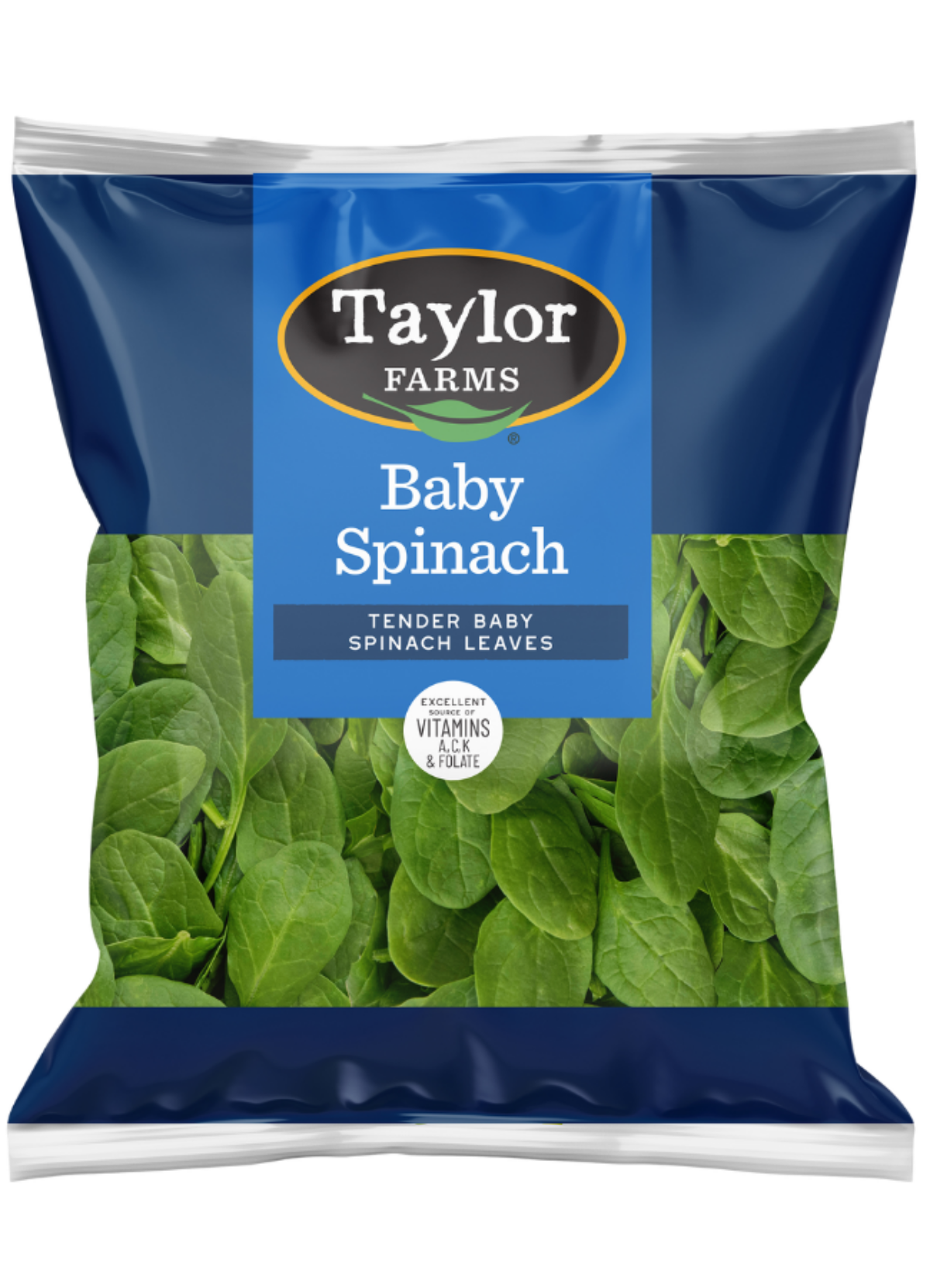
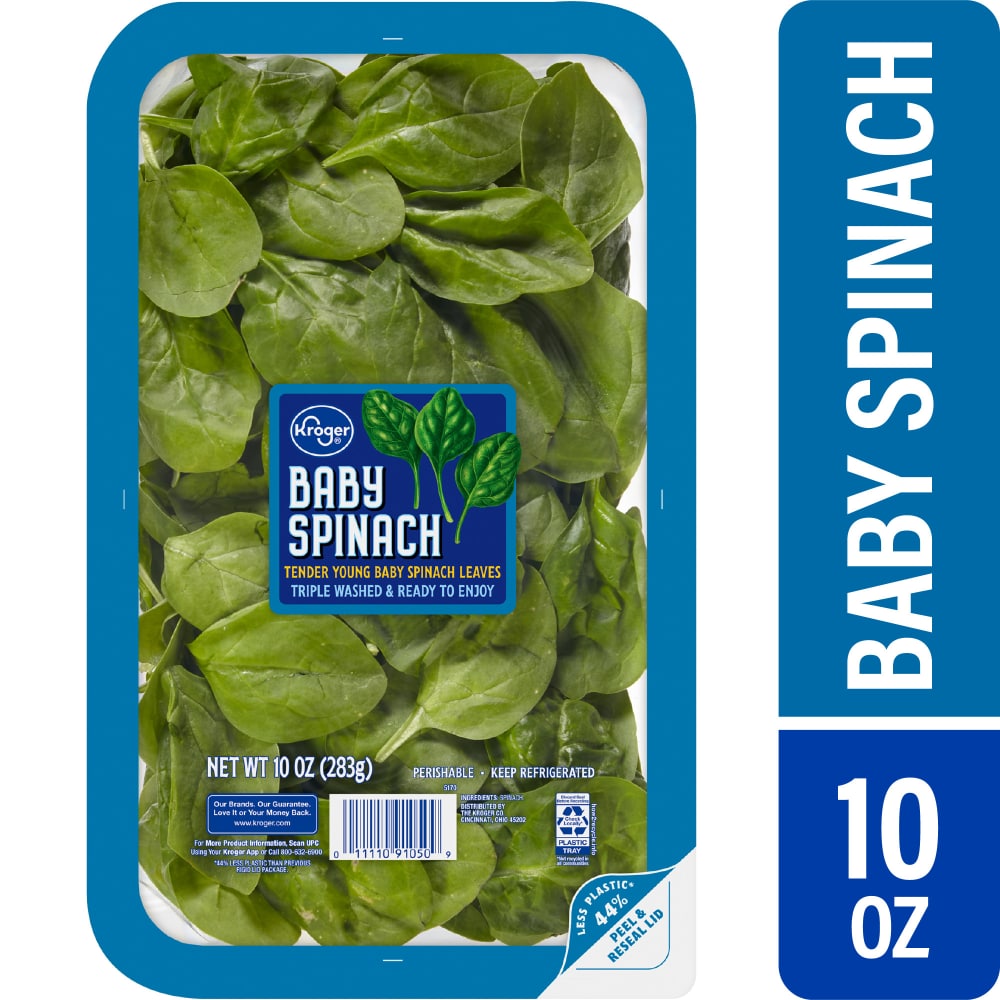
Baby spinach is a nutrient-dense leafy green rich in vitamins A, C, and K. It contains antioxidants and is low in calories, making it a healthy addition to any diet. Its mild flavor and tender texture make it versatile for various dishes.
Benefits
Rich in vitamins and antioxidants that support overall health and may reduce inflammation.
Baking PowderNeutral
Baking powder is a leavening agent used to help baked goods rise. It typically contains a combination of an acid and a base, such as cream of tartar and baking soda. It is essential for achieving the desired texture in many baked products.
Benefits
Enables baked goods to rise, improving texture and volume.
SaltNeutral
Salt is a common seasoning that enhances flavor in foods. It is essential for maintaining fluid balance and nerve function in the body. However, excessive intake can lead to health issues.
Risks
High sodium intake is associated with increased risk of hypertension and cardiovascular disease.
Benefits
Essential for bodily functions and enhances the flavor of foods.
ButterGood
Butter is a dairy product rich in saturated fats and fat-soluble vitamins like A, D, and E. It is often used for its flavor and texture in cooking and baking. Grass-fed butter may offer additional health benefits due to higher omega-3 content.
Risks
High in saturated fats, which should be consumed in moderation to avoid cardiovascular risks.
Benefits
Provides fat-soluble vitamins and enhances flavor in culinary applications.
Coconut OilGood
Coconut oil is a plant-based fat known for its medium-chain triglycerides (MCTs), which may support metabolism. It is solid at room temperature and often used in cooking and baking. Virgin coconut oil retains more nutrients compared to refined versions.
Risks
High in saturated fats, which should be consumed in moderation.
Benefits
Contains MCTs that may support energy and metabolism.
Boiling Hot WaterNeutral
Boiling hot water is used in cooking to dissolve ingredients and aid in mixing. It is a neutral ingredient with no nutritional value. Its primary role is functional in the preparation process.
Benefits
Facilitates the mixing and preparation of ingredients.
Processing
Processed Foods
Get the full breakdown in the Scout app
Scan any product to see lab results, healthy alternatives, and your personalized analysis.
Download on theApp Store