

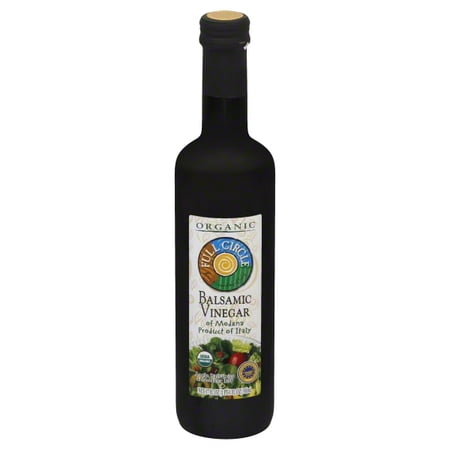


H-E-B Balsamic Vinegar of Modena
Analysis updated August 2026 · How Scout scores
At a glance
Summary
This balsamic vinegar is made from organic wine vinegar, concentrated grape must, and cooked grape must, all of which are organic and minimally processed. The use of organic ingredients ensures the absence of synthetic chemicals, enhancing the product's health profile. Despite being processed, the clean ingredient list and traditional preparation methods contribute positively to its overall quality.
Key ingredients 3
Organic wine vinegarGood
Organic wine vinegar is a fermented product that provides acetic acid, which may aid digestion. Being organic, it is free from synthetic pesticides and fertilizers, enhancing its health profile. It is a traditional ingredient with minimal processing, retaining natural flavors and benefits.
Benefits
May support digestive health and provide antimicrobial properties due to its acetic acid content.
Organic concentrated grape mustGood
Organic concentrated grape must is a natural sweetener derived from grapes, providing a source of natural sugars and antioxidants. The organic certification ensures it is free from synthetic chemicals, enhancing its nutritional quality. It is minimally processed, preserving the natural compounds found in grapes.
Benefits
Contains natural sugars and antioxidants that may support overall health and provide a natural sweetness.
Organic cooked grape mustGood
Organic cooked grape must is a traditional ingredient used in balsamic vinegar, offering natural sweetness and flavor complexity. The organic status ensures it is free from harmful chemicals, contributing to a cleaner product. Cooking the must enhances its flavor profile while retaining beneficial compounds.
Benefits
Provides natural sweetness and flavor complexity, along with potential antioxidant benefits from grape compounds.
Processing
Processed Foods
Get the full breakdown in the Scout appTake Scout shopping
Scan any product to see lab results, healthy alternatives, and your personalized analysis.
Download on theApp Store GET IT ONGoogle PlayAmazon pricing & content
Amazon price as of . Product prices and availability are accurate as of the date/time indicated and are subject to change. Any price and availability information displayed on Amazon.com at the time of purchase will apply to the purchase of this product.
CERTAIN CONTENT THAT APPEARS ON THIS SITE COMES FROM AMAZON. THIS CONTENT IS PROVIDED “AS IS” AND IS SUBJECT TO CHANGE OR REMOVAL AT ANY TIME.