
Ingredient
Caramel
What is Caramel?
Caramel is a versatile ingredient made by heating sugars, which are often combined with acids, alkalis, or salts to produce different shades and flavors of brown. This process results in a complex mixture of carbohydrates and a variety of volatile compounds that give caramel its distinctive taste and aroma.
Caramel is primarily used as a coloring agent in foods and beverages. It enhances the visual appeal of soft drinks, baked products, and sauces. There are four classes of caramel colors, each produced under different conditions, and their usage depends on the desired hue and chemical properties. Some studies have raised concerns about contaminants like 4-MEI found in some caramel color classes, but overall consumption is deemed safe at customary levels.
When you see caramel on a label, it's often there for visual appeal rather than flavor. However, due to potential impurities in certain types, consumers who are especially cautious may choose to limit their intake.
Commonly found in: soft drinks, confectionery, baked goods, beer, liqueurs, sauces
What to watch
- Some caramel colors may contain contaminants like 4-MEI, which have been flagged as potentially carcinogenic in large amounts.
The FDA allows caramel color as a food coloring additive but monitors its safety, especially regarding the presence of 4-MEI.
Research is mixed on health impacts, focusing mainly on 4-MEI; consumer advocacy groups recommend moderate consumption.
Caramel is generally considered vegan as it is typically derived from sugars without animal products.
Sources: Caramel Color Risk Assessment · Potential Health Risks of 4-MEI
Scout's take
Cooked-sugar ingredient — added-sugar function.
The case against
There are minimal risks associated with Caramel.
from the analysis of Gold Bond Age Renew Retinol Overnight Body and Face Lotion Retinol Face and Body Lotion with Peptide ComplexThe case for
It provides a natural color to formulations.
from the analysis of Gold Bond Age Renew Retinol Overnight Body and Face Lotion Retinol Face and Body Lotion with Peptide ComplexMore from Scout's analyses
Processed additive flagged under Scout's ingredient doctrine.
from the analysis of Gold Bond Age Renew Retinol Overnight Body and Face Lotion Retinol Face and Body Lotion with Peptide ComplexFound in 4 products
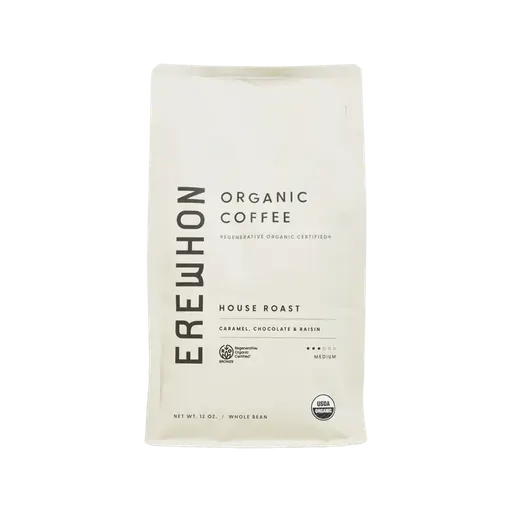
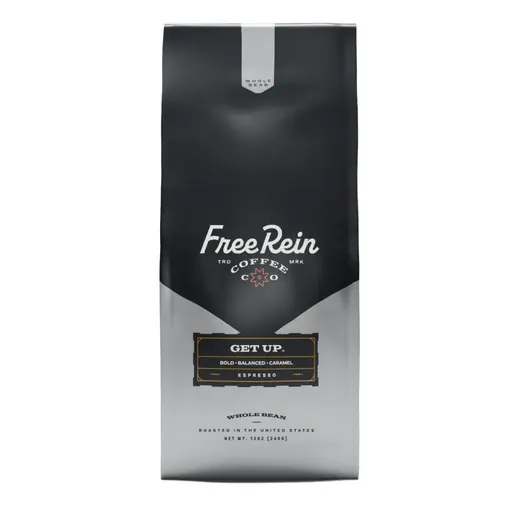


Scan any product to see every ingredient explained — and healthier swaps.
Download on theApp Store GET IT ONGoogle Play