

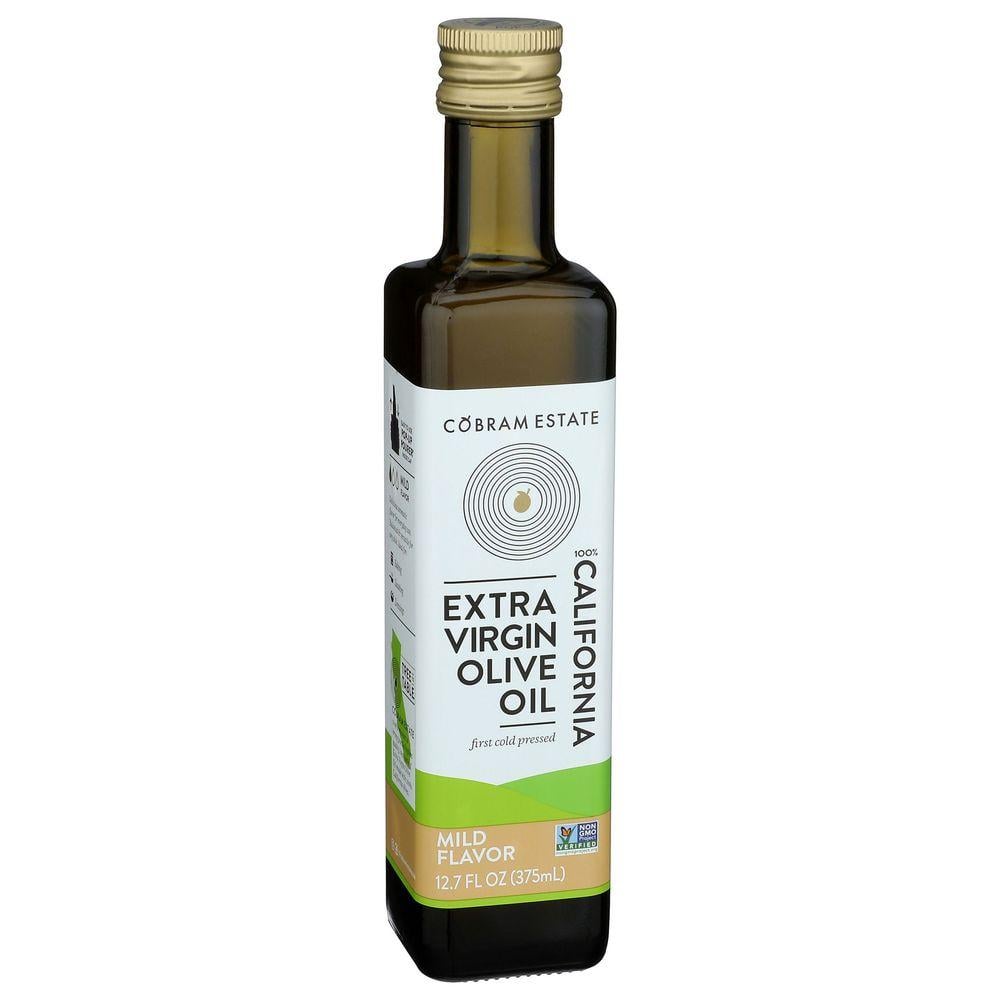


Classic olive oil
Analysis updated June 2026 · How Scout scores
At a glance
Summary
This classic olive oil contains a blend of refined and virgin olive oils, which are processed culinary ingredients. While virgin olive oils retain beneficial antioxidants and polyphenols, the presence of refined oils indicates a higher level of processing, which slightly reduces the overall health benefits. Despite this, olive oil remains a healthy fat choice due to its favorable monounsaturated fat profile and cardiovascular benefits.
Key ingredients 3
Olive OilVery Good
This ingredient is a natural source of healthy monounsaturated fats and antioxidants, making it a beneficial choice for heart health and overall wellness.
See more about Olive Oil →Refined Olive OilsVery Good
Refined olive oil provides a clean, neutral flavor while retaining many of the healthy fats, making it a versatile and beneficial cooking oil.
Virgin Olive OilsVery Good
Virgin olive oil is minimally processed, preserving natural antioxidants and nutrients that support a healthy diet.
Processing
Processed Culinary Ingredients
Get the full breakdown in the Scout appTake Scout shopping
Scan any product to see lab results, healthy alternatives, and your personalized analysis.
Download on theApp Store GET IT ONGoogle PlayAmazon pricing & content
Amazon price as of . Product prices and availability are accurate as of the date/time indicated and are subject to change. Any price and availability information displayed on Amazon.com at the time of purchase will apply to the purchase of this product.
CERTAIN CONTENT THAT APPEARS ON THIS SITE COMES FROM AMAZON. THIS CONTENT IS PROVIDED “AS IS” AND IS SUBJECT TO CHANGE OR REMOVAL AT ANY TIME.