


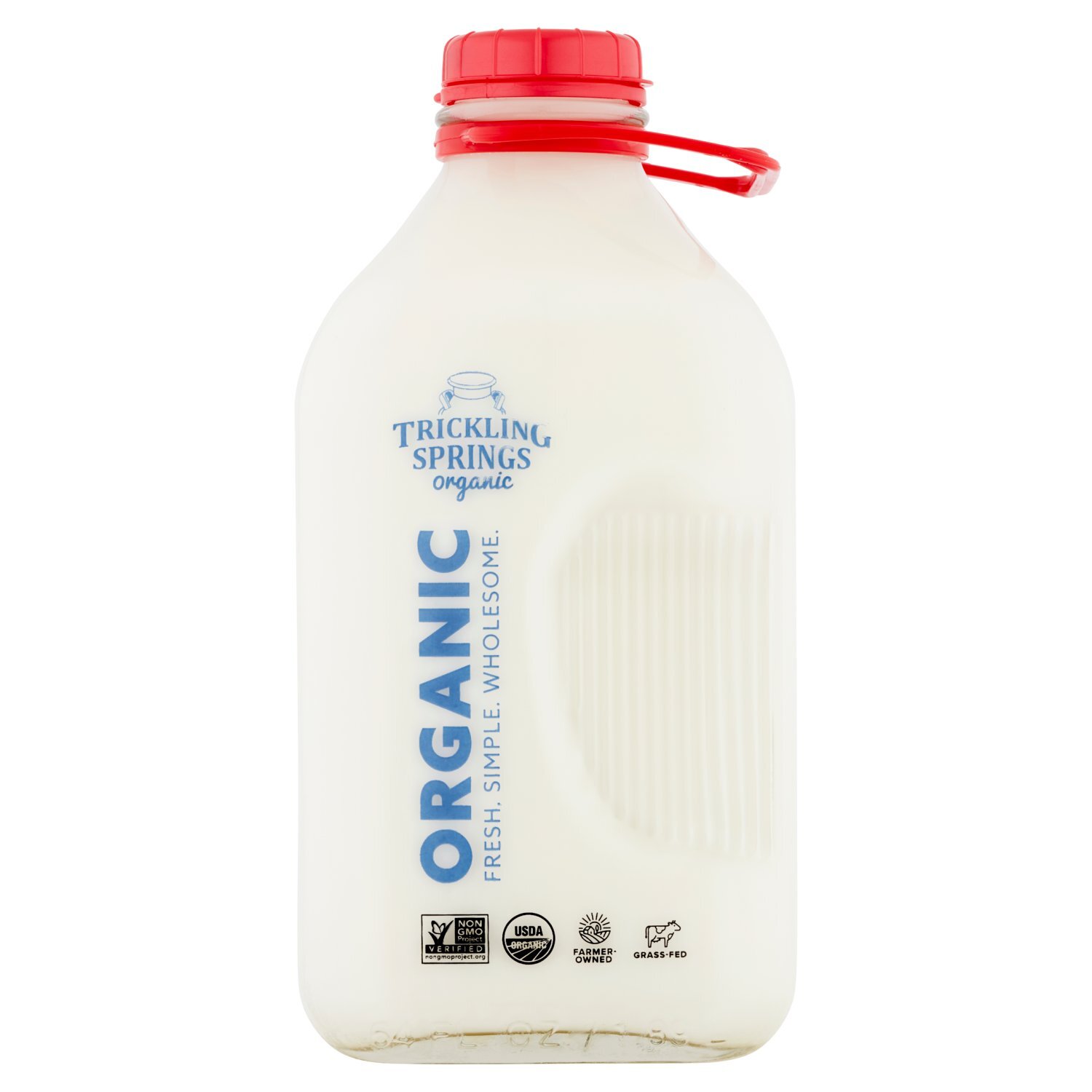
Whole Milk
Analysis updated August 2026 · How Scout scores
At a glance
Summary
Whole milk is a nutritious product, providing essential nutrients such as calcium, protein, and vitamins. The addition of Vitamin D3 enhances its nutritional profile, supporting bone health. Although it is processed to ensure safety and shelf life, it remains a relatively clean product with minimal additives, making it a healthy choice compared to more processed alternatives.
Key ingredients 3
MilkGood
Milk is a rich source of essential nutrients including calcium, protein, and vitamins. It is typically pasteurized to ensure safety and extend shelf life. Compared to plant-based alternatives, milk provides a complete amino acid profile and is beneficial for bone health.
Risks
Some individuals may experience lactose intolerance or milk allergies, which can cause digestive discomfort.
Benefits
Provides high-quality protein and is an excellent source of calcium and vitamin D, supporting bone health and muscle function.
Vitamin D3Good
Vitamin D3 is essential for calcium absorption and bone health. It is often added to milk to enhance its nutritional profile. Compared to other forms of vitamin D, D3 is more effective at raising and maintaining vitamin D levels in the blood.
Benefits
Supports bone health by enhancing calcium absorption and may improve immune function.
Vitamin ENeutral
Vitamin E is an antioxidant that helps protect cells from oxidative damage. It is not typically found in high amounts in milk, so its addition can enhance the product's nutritional value. However, the amount added to milk may not significantly impact overall dietary intake.
Benefits
Acts as an antioxidant, protecting cells from damage and supporting immune function.
Processing
Processed Culinary Ingredients
Get the full breakdown in the Scout appTake Scout shopping
Scan any product to see lab results, healthy alternatives, and your personalized analysis.
Download on theApp Store GET IT ONGoogle PlayAmazon pricing & content
Amazon price as of . Product prices and availability are accurate as of the date/time indicated and are subject to change. Any price and availability information displayed on Amazon.com at the time of purchase will apply to the purchase of this product.
CERTAIN CONTENT THAT APPEARS ON THIS SITE COMES FROM AMAZON. THIS CONTENT IS PROVIDED “AS IS” AND IS SUBJECT TO CHANGE OR REMOVAL AT ANY TIME.