


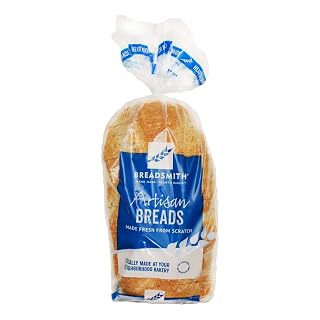
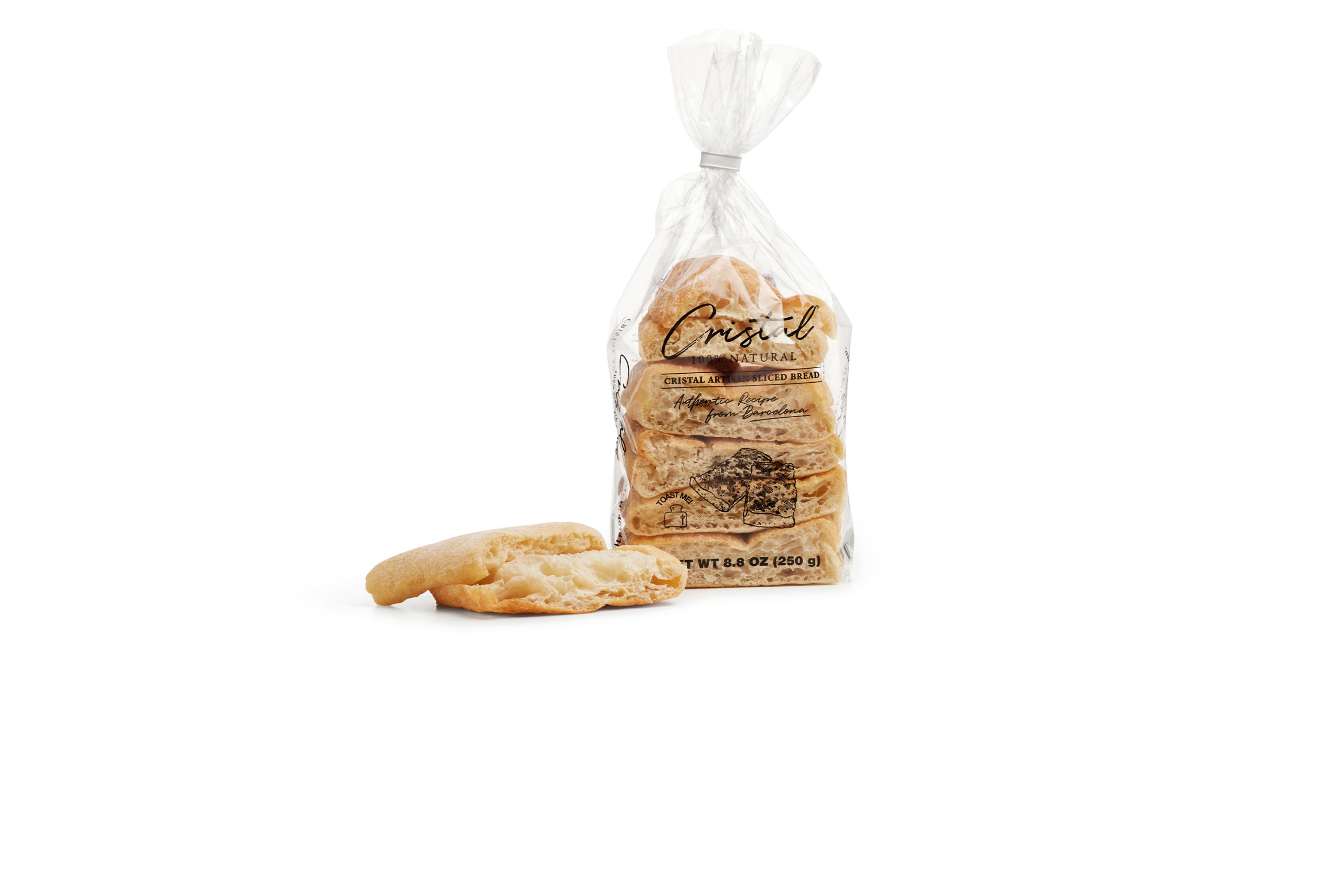

Artisan french bread
Analysis updated June 2026 · How Scout scores
At a glance
Summary
This artisan French bread is a processed food with a relatively simple ingredient list, including beneficial components like active dry yeast and unsalted butter. However, the presence of refined sugar, even in small amounts, contributes to its processing level and limits its health benefits. The bread's processing level and the inclusion of refined ingredients prevent it from achieving a higher score.
Key ingredients 6
Unsalted butterGood
Unsalted butter adds richness and flavor to the bread without the added sodium found in salted versions.
See more about Unsalted butter →Active dry yeastNeutral
Active dry yeast is used to help the bread rise and develop flavor without adding any significant health impact.
Warm waterNeutral
Warm water is essential for activating the yeast and forming the dough, with no notable health concerns.
All-purpose flourNeutral
All-purpose flour provides the main structure for the bread and is a common staple in baking.
SaltNeutral
Standard formulation ingredient — neither beneficial nor harmful at typical use.
See more about Salt →SugarBad
Sugar adds sweetness and aids fermentation but can contribute to excess calorie intake if consumed in large amounts.
See more about Sugar →Processing
Processed Foods
Get the full breakdown in the Scout appTake Scout shopping
Scan any product to see lab results, healthy alternatives, and your personalized analysis.
Download on theApp Store GET IT ONGoogle PlayAmazon pricing & content
Amazon price as of . Product prices and availability are accurate as of the date/time indicated and are subject to change. Any price and availability information displayed on Amazon.com at the time of purchase will apply to the purchase of this product.
CERTAIN CONTENT THAT APPEARS ON THIS SITE COMES FROM AMAZON. THIS CONTENT IS PROVIDED “AS IS” AND IS SUBJECT TO CHANGE OR REMOVAL AT ANY TIME.