
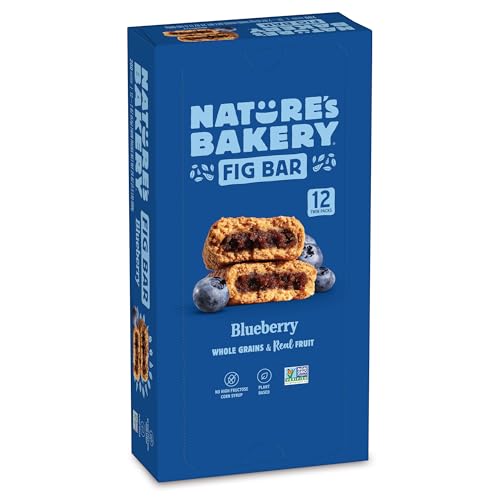
FIG BAR, BLUEBERRY
Summary
This product contains whole wheat flour, which is beneficial for its fiber content, but it is also high in added sugars like cane sugar and brown rice syrup, which can contribute to health issues if consumed excessively. The processing level is moderate, and while the ingredient list is relatively short, the presence of multiple refined sugars limits its healthfulness.
At a glance
Key ingredients 8
Whole Wheat FlourGood
Whole wheat flour is a source of dietary fiber and essential nutrients. It is less processed than refined flour, retaining more vitamins and minerals. This ingredient supports digestive health and provides sustained energy.
Risks
May contain gluten, which can be problematic for individuals with celiac disease or gluten sensitivity.
Benefits
Rich in dietary fiber, which aids in digestion and helps maintain stable blood sugar levels.
Cane SugarBad
Cane sugar is a refined sweetener that can contribute to increased calorie intake without providing essential nutrients. Excessive consumption is linked to various health issues such as obesity and dental cavities. It is often used to enhance flavor but should be consumed in moderation.
Risks
High intake can lead to weight gain, increased risk of type 2 diabetes, and dental problems.
Benefits
Provides quick energy but lacks significant nutritional benefits.
Fig PasteNeutral
Fig paste is made from dried figs and provides natural sweetness along with some fiber and micronutrients. It is less processed than refined sugars but still contributes to the overall sugar content of the product. Figs are a source of antioxidants and dietary fiber.
Risks
Contains natural sugars, which can contribute to calorie intake if consumed in large amounts.
Benefits
Offers dietary fiber and antioxidants, which can support digestive health and reduce oxidative stress.
Brown Rice SyrupBad
Brown rice syrup is a sweetener derived from brown rice and is high in glucose. It is often used as a substitute for high fructose corn syrup but still contributes to high glycemic load. This ingredient can lead to rapid spikes in blood sugar levels.
Risks
May cause rapid increases in blood sugar levels, posing a risk for individuals with insulin resistance or diabetes.
Benefits
Provides a mild, sweet flavor but lacks significant nutritional benefits.
Blueberry JamNeutral
Blueberry jam is made from blueberries and sugar, providing natural fruit flavor and some antioxidants. However, it also contains added sugars, which can contribute to excessive calorie intake. The processing of jam reduces the overall nutrient content compared to fresh blueberries.
Risks
Contains added sugars, which can contribute to weight gain and dental issues if consumed in excess.
Benefits
Contains antioxidants from blueberries, which may support heart health and reduce inflammation.
Naturally Milled SugarBad
Naturally milled sugar is a refined sugar that contributes to the overall sugar content of the product. It provides calories without essential nutrients, similar to other refined sugars. Excessive consumption can lead to health issues such as obesity and metabolic syndrome.
Risks
High consumption can increase the risk of obesity, type 2 diabetes, and dental cavities.
Benefits
Offers quick energy but lacks significant nutritional benefits.
Rice StarchNeutral
Rice starch is used as a thickening agent and is derived from rice. It is a carbohydrate that provides texture but minimal nutritional value. This ingredient is generally considered safe and is often used in gluten-free products.
Benefits
Provides texture and consistency to food products without significant nutritional benefits.
GlycerinNeutral
Glycerin is a sugar alcohol used as a sweetener and humectant to retain moisture. It is less caloric than sugar and does not cause a significant spike in blood sugar levels. This ingredient is generally recognized as safe for consumption.
Risks
Excessive consumption may cause digestive discomfort, such as bloating or diarrhea.
Benefits
Helps maintain moisture in food products and provides a sweet taste with fewer calories than sugar.
Processing
Processed Foods
Get the full breakdown in the Scout app
Scan any product to see lab results, healthy alternatives, and your personalized analysis.
Download on theApp Store