
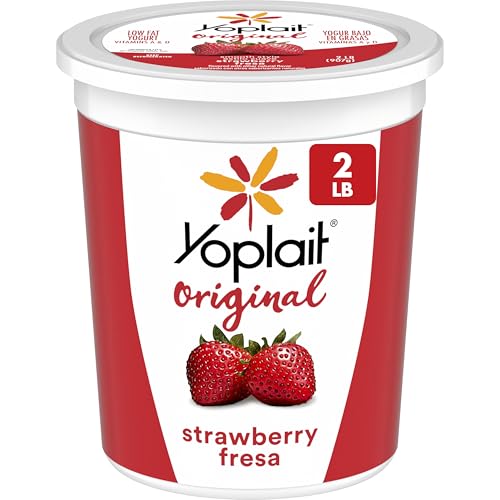


Yoplait Original Strawberry Low Fat Yogurt
Summary
This yogurt contains beneficial cultured low-fat milk, providing protein and probiotics, but is heavily processed with added sugar and modified corn starch, which contribute to its high calorie content without nutritional benefits. The presence of preservatives like potassium sorbate and vague ingredients such as natural flavors further detract from its healthiness, reflecting a high level of processing that limits its overall nutritional quality.
At a glance
Key ingredients 10
Cultured Grade A Low Fat MilkGood
Cultured Grade A Low Fat Milk is a primary source of protein and calcium, essential for bone health. The fermentation process enhances digestibility and provides beneficial probiotics. It is a staple in yogurt, contributing to its nutritional profile.
Benefits
Provides protein and calcium, supporting bone health and muscle function. Contains probiotics that may improve gut health.
SugarBad
Sugar is added to enhance sweetness but contributes to increased calorie intake without nutritional benefits. Excessive consumption of refined sugar is linked to various health issues, including obesity and diabetes. It is a common additive in flavored yogurts, often leading to higher sugar content.
Risks
High intake of sugar can lead to weight gain, increased risk of type 2 diabetes, and dental cavities.
Benefits
Provides quick energy but lacks essential nutrients.
Modified Corn StarchBad
Modified Corn Starch is used as a thickening agent to improve texture. It is a processed ingredient that may contribute to a higher glycemic index. While it serves a functional purpose, it does not add nutritional value.
Risks
May cause blood sugar spikes and is often used in processed foods, which can contribute to poor dietary habits.
Benefits
Improves texture and consistency of the product.
Corn StarchNeutral
Corn Starch is used as a thickening agent and stabilizer in food products. It is a refined carbohydrate with minimal nutritional value. While it is not inherently harmful, it does not contribute significant health benefits.
Risks
May contribute to blood sugar spikes if consumed in large quantities.
Benefits
Helps improve the texture and stability of the yogurt.
Citric AcidNeutral
Citric Acid is used as a preservative and to add tartness to foods. It is naturally found in citrus fruits and is generally recognized as safe. In processed foods, it helps maintain freshness and flavor.
Risks
Excessive consumption may cause tooth enamel erosion.
Benefits
Acts as a preservative and enhances flavor.
Vegetable JuiceNeutral
Vegetable Juice is used for natural coloring in food products. It is a better alternative to artificial dyes, providing color without synthetic additives. However, it does not contribute significant nutritional benefits in small quantities.
Benefits
Provides natural color without artificial additives.
Natural FlavorBad
Natural Flavor is a catch-all term for flavoring agents derived from natural sources. It lacks transparency, making it difficult to assess its exact composition and potential health impacts. Often used to enhance taste, it can mask the absence of real ingredients.
Risks
May contain allergens or additives not disclosed on the label.
Benefits
Enhances flavor without adding calories.
Potassium SorbateBad
Potassium Sorbate is a preservative used to extend shelf life by inhibiting mold and yeast growth. It is synthetically produced and commonly used in processed foods. While generally recognized as safe, it is not a natural ingredient.
Risks
May cause allergic reactions or skin irritation in sensitive individuals.
Benefits
Effectively preserves food by preventing spoilage.
Vitamin A AcetateNeutral
Vitamin A Acetate is a synthetic form of vitamin A used to fortify foods. It is essential for vision and immune function but is added in small amounts. While beneficial, excessive intake can lead to toxicity.
Risks
Excessive consumption can lead to hypervitaminosis A, causing liver damage and other health issues.
Benefits
Supports vision and immune health.
Vitamin D3Neutral
Vitamin D3 is added to fortify foods and support bone health by aiding calcium absorption. It is beneficial in maintaining healthy bones and immune function. However, it is added in small quantities and should be balanced with dietary sources.
Risks
Excessive intake can lead to hypercalcemia, causing nausea and kidney issues.
Benefits
Supports bone health and immune function.
Processing
Ultra-Processed Foods
Get the full breakdown in the Scout app
Scan any product to see lab results, healthy alternatives, and your personalized analysis.
Download on theApp Store