



At a glance
Summary
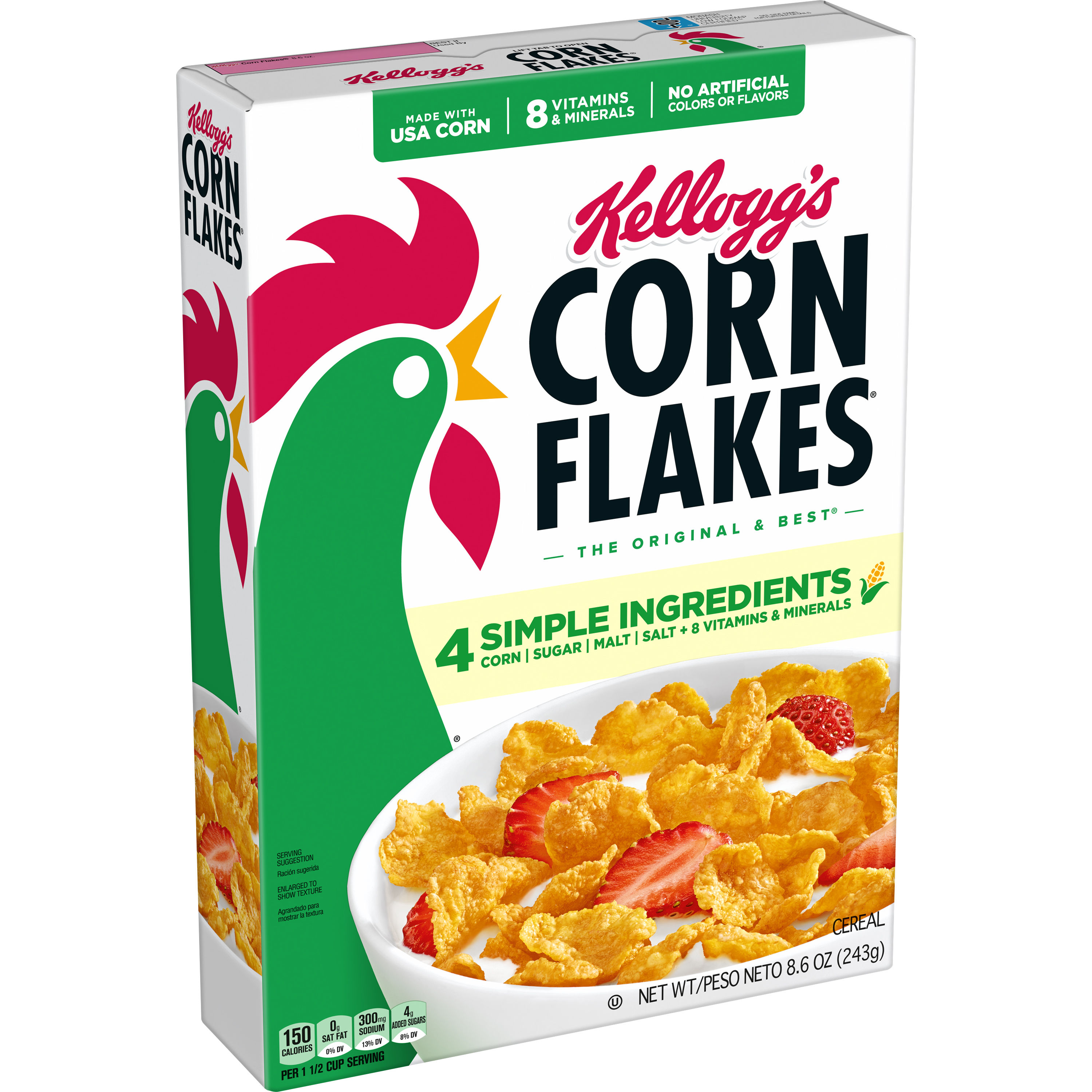
Cornflakes are a processed food with a moderate level of added sugar, which can contribute to health issues like obesity and diabetes. The product contains a few additives such as vitamins and minerals, but lacks whole food ingredients and fiber, which are important for a balanced diet. The processing level and presence of refined sugar limit its healthfulness compared to less processed cereals.
Key ingredients 7
NiacinamideGood
Vitamin B3 — evidence-backed skin and metabolic benefits.
See more about Niacinamide →Malt FlavorNeutral
Malt flavor is used to enhance taste but does not significantly impact the nutritional value of the product.
See more about Malt Flavor →SaltNeutral
Salt is added for flavor and preservation, but excessive intake can contribute to high blood pressure in some individuals.
See more about Salt →Iron (ferric phosphate)Neutral
Iron fortification helps prevent deficiencies and supports healthy blood function, making it a beneficial additive.
See more about Iron (ferric phosphate) →Vitamin B6 (pyridoxine)Neutral
Vitamin B6 is essential for brain health and metabolism, contributing positively to nutritional value.
Milled CornBad
Milled corn is a primary source of carbohydrates and can be high in processed forms, which some consumers prefer to limit for a balanced diet.
See more about Milled Corn →SugarBad
Sugar adds sweetness to the product but is associated with excess calorie intake and can impact overall health if consumed in large amounts.
See more about Sugar →Processing
Processed Foods
Get the full breakdown in the Scout appTake Scout shopping
Scan any product to see lab results, healthy alternatives, and your personalized analysis.
Download on theApp Store GET IT ONGoogle Play