
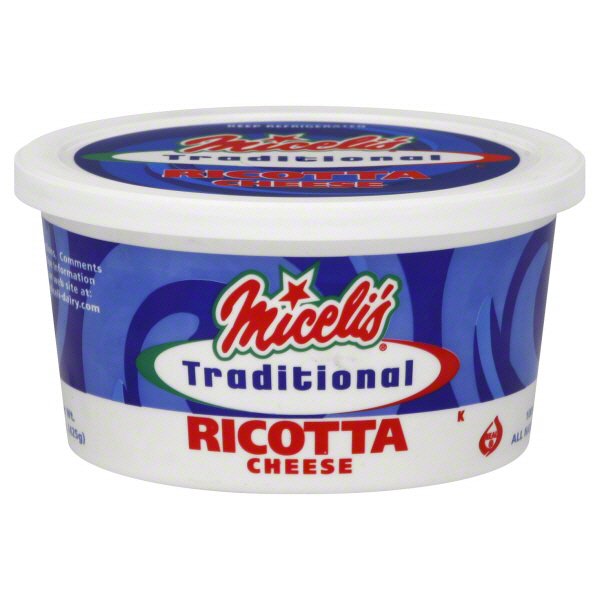


TRADITIONAL RICOTTA CHEESE
Analysis updated August 2026 · How Scout scores
At a glance
Summary
Traditional Ricotta Cheese contains pasteurized whey, which is a high-quality protein source, and cream, both of which are beneficial ingredients. However, the presence of carrageenan, a processed additive, raises concerns due to its potential to cause digestive issues. The product's ultra-processed nature limits its score, despite having a relatively clean ingredient list.
Key ingredients 4
Pasteurized wheyGood
Pasteurized whey is a high-quality protein source derived from milk. It is minimally processed and retains essential amino acids beneficial for muscle repair and growth. The pasteurization process ensures safety by eliminating harmful bacteria.
Benefits
Rich in essential amino acids and supports muscle repair and growth. Provides a good source of protein with minimal processing.
CreamGood
Traditional whole-fat dairy ingredient.
Risks
High in saturated fats, which may contribute to heart disease if consumed in large amounts.
Benefits
Adds richness and flavor to foods and can be a source of fat-soluble vitamins if derived from high-quality milk.
VinegarNeutral
Vinegar is used as an acidifying agent in cheese production. It is a natural ingredient with minimal processing. The acidity helps in curdling the milk, which is essential for cheese formation.
Benefits
Acts as a natural preservative and acidifying agent in cheese production. Helps in the curdling process essential for cheese formation.
CarrageenanBad
Carrageenan is a food additive used as a thickener and stabilizer. It is derived from red seaweed but is highly processed. Some studies suggest it may cause digestive issues and inflammation in sensitive individuals.
Risks
May cause digestive issues and inflammation in sensitive individuals.
Benefits
Provides texture and stability to food products, though it offers no significant nutritional benefits.
Processing
Ultra-Processed Foods
Get the full breakdown in the Scout appTake Scout shopping
Scan any product to see lab results, healthy alternatives, and your personalized analysis.
Download on theApp Store GET IT ONGoogle Play