
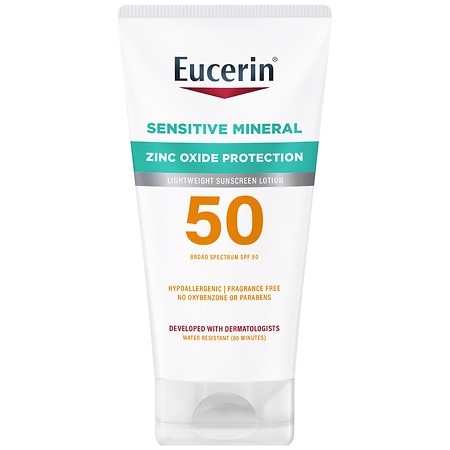
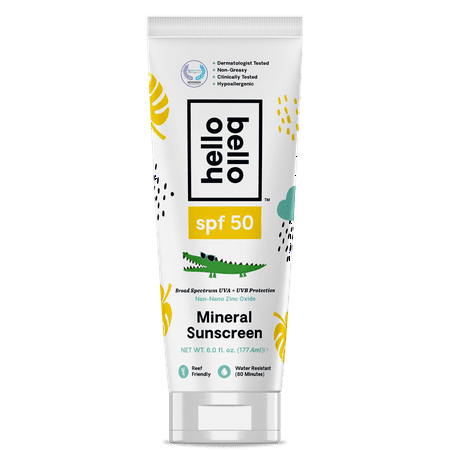

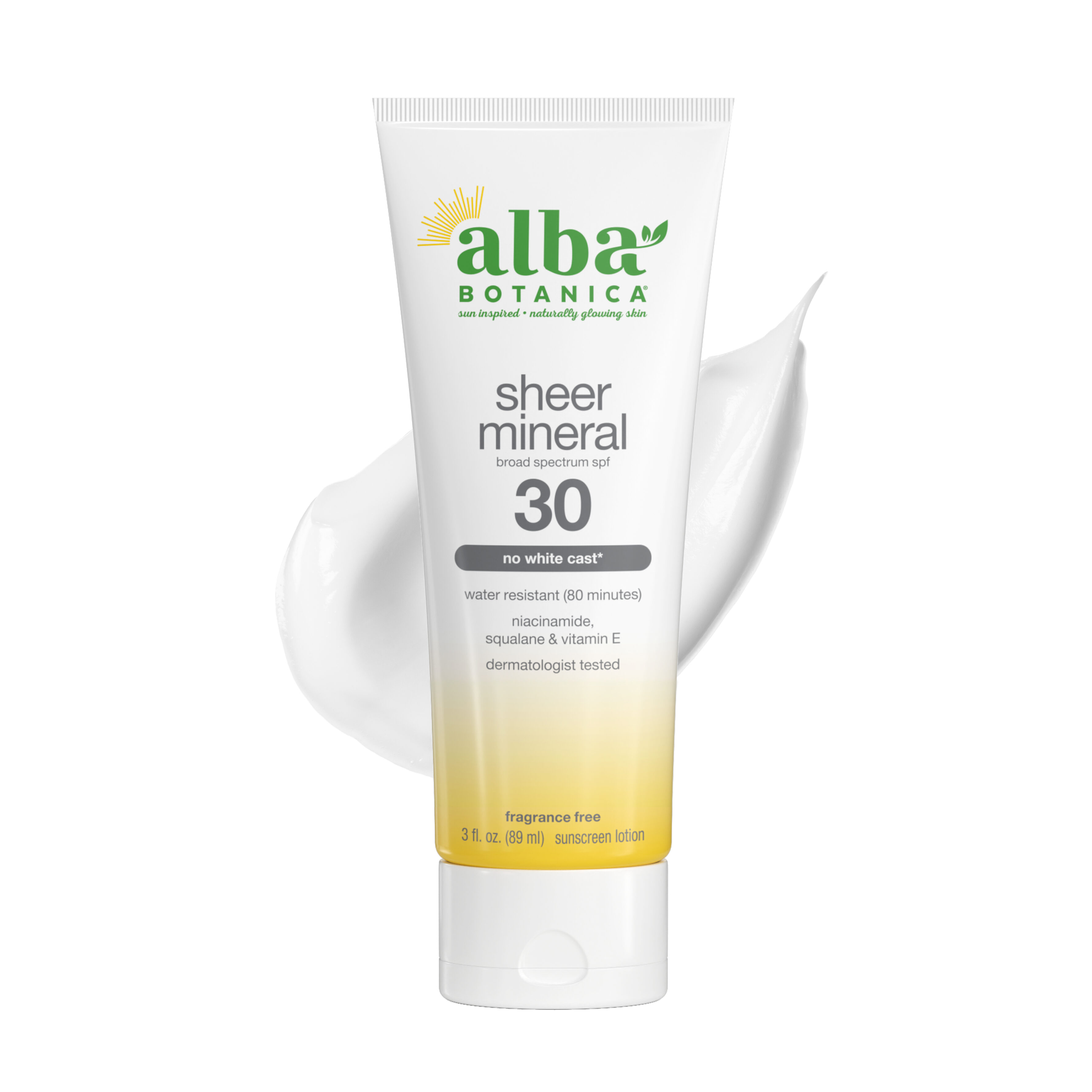
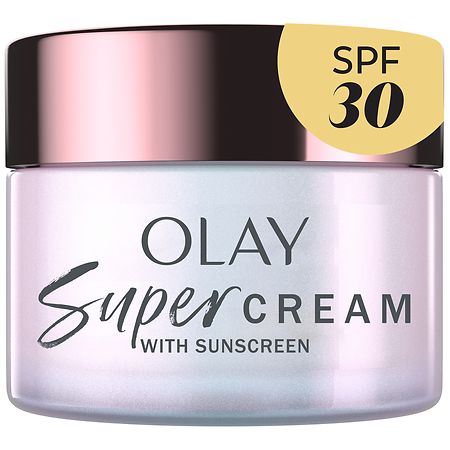
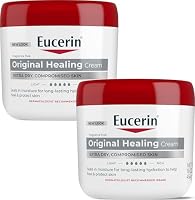


Eucerin Sensitive Mineral Broad Spectrum Lightweight Sunscreen Lotion SPF 50 4 fl oz
At a glance
Summary
This sunscreen features zinc oxide as its primary active ingredient, which is a mineral filter known for its safety and effectiveness in providing broad-spectrum UV protection. The formula includes beneficial ingredients like Glycyrrhetinic Acid and Glycyrrhiza Inflata Root Extract, which offer anti-inflammatory and antioxidant properties. While it contains some synthetic compounds like PEG/PPG, the overall ingredient list is relatively clean and free from harsh chemical UV filters, contributing to a high score.
Key ingredients 23
Glycyrrhetinic AcidVery Good
Glycyrrhetinic Acid is derived from licorice root and is known for its anti-inflammatory properties. It helps soothe irritated skin and can reduce redness. It is often used in products for sensitive skin.
Risks
There are minimal risks, but overuse may lead to skin sensitivity in some individuals.
Benefits
It helps calm and soothe the skin, making it beneficial for sensitive or irritated skin conditions.
Glycyrrhiza Inflata Root ExtractVery Good
Glycyrrhiza Inflata Root Extract is known for its antioxidant and anti-inflammatory properties. It helps protect the skin from environmental stressors. It is beneficial for reducing redness and irritation.
Risks
There are minimal risks, though some individuals may experience mild irritation.
Benefits
It provides antioxidant protection and helps soothe and calm the skin.
Sodium Ascorbyl PhosphateVery Good
Sodium Ascorbyl Phosphate is a stable form of Vitamin C that provides antioxidant benefits. It helps brighten the skin and reduce signs of aging. It is less irritating than other forms of Vitamin C.
Risks
There are minimal risks, but it may cause mild irritation in sensitive skin.
Benefits
It helps brighten the skin and provides antioxidant protection, reducing signs of aging.
BeeswaxVery Good
Beeswax is a natural ingredient that provides a protective barrier on the skin. It helps retain moisture and has anti-inflammatory properties. It is non-comedogenic and suitable for sensitive skin.
Risks
There are minimal risks, though it may cause allergic reactions in individuals sensitive to bee products.
Benefits
It helps lock in moisture and provides a protective barrier, making it beneficial for dry and sensitive skin.
Zinc OxideGood
Zinc Oxide is a mineral sunscreen agent that provides broad-spectrum UV protection. It is considered safe and effective for sensitive skin. It is non-comedogenic and does not irritate the skin.
Risks
There are minimal risks associated with Zinc Oxide, though it may leave a white cast on the skin.
Benefits
It offers excellent protection against both UVA and UVB rays and is suitable for sensitive skin types.
WaterNeutral
Water is a common solvent used in cosmetic formulations. It helps dissolve other ingredients and provides a base for the product. It is essential for hydration but does not provide active benefits.
Risks
There are no significant risks associated with water in cosmetic formulations.
Benefits
It acts as a solvent and helps hydrate the skin.
C12-15 Alkyl BenzoateNeutral
C12-15 Alkyl Benzoate is an emollient that helps improve the texture and spreadability of products. It provides a lightweight feel and is non-greasy. It is commonly used in sunscreens and moisturizers.
Risks
There are minimal risks, though it may cause mild irritation in sensitive skin.
Benefits
It improves the texture and feel of the product, providing a lightweight and non-greasy finish.
Isopropyl PalmitateNeutral
Isopropyl Palmitate is an emollient that helps improve the texture and spreadability of products. It provides a smooth and silky feel. It is commonly used in lotions and creams.
Risks
There are minimal risks, though it may cause comedogenic reactions in acne-prone skin.
Benefits
It enhances the texture and spreadability of the product, providing a smooth application.
Ethylhexyl PelargonateNeutral
Ethylhexyl Pelargonate is an emollient that provides a lightweight and non-greasy feel. It helps improve the spreadability of products. It is commonly used in lotions and creams.
Risks
There are minimal risks, though it may cause mild irritation in sensitive skin.
Benefits
It provides a lightweight and non-greasy feel, improving the texture of the product.
Cetyl PEG/PPG-10/1 DimethiconeNeutral
Cetyl PEG/PPG-10/1 Dimethicone is a silicone-based compound that provides a smooth and silky feel. It helps improve the spreadability and texture of products. It is commonly used in lotions and creams.
Risks
There are minimal risks, though it may cause mild irritation in sensitive skin.
Benefits
It provides a smooth and silky feel, enhancing the texture and spreadability of the product.
CyclopentasiloxaneNeutral
Cyclopentasiloxane is a silicone-based compound that provides a smooth and silky feel. It helps improve the spreadability and texture of products. It is commonly used in lotions and creams.
Risks
There are minimal risks, though it may cause mild irritation in sensitive skin.
Benefits
It provides a smooth and silky feel, enhancing the texture and spreadability of the product.
Bis-Octyldodecyl Dimer Dilinoleate/Propanediol CopolymerNeutral
This copolymer is used to improve the texture and spreadability of products. It provides a smooth and silky feel. It is commonly used in lotions and creams.
Risks
There are minimal risks, though it may cause mild irritation in sensitive skin.
Benefits
It enhances the texture and spreadability of the product, providing a smooth application.
Diethylhexyl SyringylidenemalonateNeutral
Diethylhexyl Syringylidenemalonate is an antioxidant that helps protect the skin from environmental stressors. It is used to stabilize sunscreen formulations. It is commonly used in sunscreen products.
Risks
There are minimal risks, though it may cause mild irritation in sensitive skin.
Benefits
It provides antioxidant protection and helps stabilize sunscreen formulations.
Ethylhexyl MethoxycryleneNeutral
Ethylhexyl Methoxycrylene is used to stabilize sunscreen agents and enhance their efficacy. It helps improve the photostability of the product. It is commonly used in sunscreen formulations.
Risks
There are minimal risks, though it may cause mild irritation in sensitive skin.
Benefits
It enhances the efficacy and photostability of sunscreen agents.
Polyester-27Neutral
Polyester-27 is used to improve the texture and spreadability of products. It provides a smooth and silky feel. It is commonly used in lotions and creams.
Risks
There are minimal risks, though it may cause mild irritation in sensitive skin.
Benefits
It enhances the texture and spreadability of the product, providing a smooth application.
HydroxyacetophenoneNeutral
Hydroxyacetophenone is an antioxidant that helps protect the skin from environmental stressors. It is used to stabilize formulations. It is commonly used in skincare products.
Risks
There are minimal risks, though it may cause mild irritation in sensitive skin.
Benefits
It provides antioxidant protection and helps stabilize formulations.
Caprylyl GlycolNeutral
Caprylyl Glycol is a humectant that helps retain moisture in the skin. It also has antimicrobial properties. It is commonly used in lotions and creams.
Risks
There are minimal risks, though it may cause mild irritation in sensitive skin.
Benefits
It helps retain moisture in the skin and provides antimicrobial benefits.
1,2-HexanediolNeutral
1,2-Hexanediol is a humectant that helps retain moisture in the skin. It also has antimicrobial properties. It is commonly used in lotions and creams.
Risks
There are minimal risks, though it may cause mild irritation in sensitive skin.
Benefits
It helps retain moisture in the skin and provides antimicrobial benefits.
TriethoxycaprylylsilaneNeutral
Triethoxycaprylylsilane is used as a surface modifier to improve the dispersion of pigments. It enhances the stability and texture of formulations. It is commonly used in sunscreens and cosmetics.
Risks
There are minimal risks, though it may cause mild irritation in sensitive skin.
Benefits
It improves the dispersion of pigments and enhances the stability of formulations.
Sodium ChlorideNeutral
Sodium Chloride is used as a thickening agent and to improve the texture of products. It is commonly used in skincare formulations. It is generally considered safe and non-irritating.
Risks
There are minimal risks, though excessive use may lead to dryness.
Benefits
It helps improve the texture and consistency of the product.
Butyloctyl SalicylateBad
Processed additive flagged under Scout's ingredient doctrine.
Risks
There are minimal risks, though it may cause mild irritation in sensitive skin.
Benefits
It enhances the performance of sunscreen agents and improves water resistance.
Propylene GlycolBad
Processed additive flagged under Scout's ingredient doctrine.
Risks
There are minimal risks, though it may cause mild irritation in sensitive skin.
Benefits
It helps retain moisture in the skin, improving hydration and texture.
DimethiconeBad
Occlusive silicone film-former — flagged under clean-beauty doctrine.
Risks
There are minimal risks, though it may cause mild irritation in sensitive skin.
Benefits
It provides a smooth and silky feel, enhancing the texture and spreadability of the product.
Get the full breakdown in the Scout appTake Scout shopping
Scan any product to see lab results, healthy alternatives, and your personalized analysis.
Download on theApp Store GET IT ONGoogle PlayAmazon pricing & content
Amazon price as of . Product prices and availability are accurate as of the date/time indicated and are subject to change. Any price and availability information displayed on Amazon.com at the time of purchase will apply to the purchase of this product.
CERTAIN CONTENT THAT APPEARS ON THIS SITE COMES FROM AMAZON. THIS CONTENT IS PROVIDED “AS IS” AND IS SUBJECT TO CHANGE OR REMOVAL AT ANY TIME.