


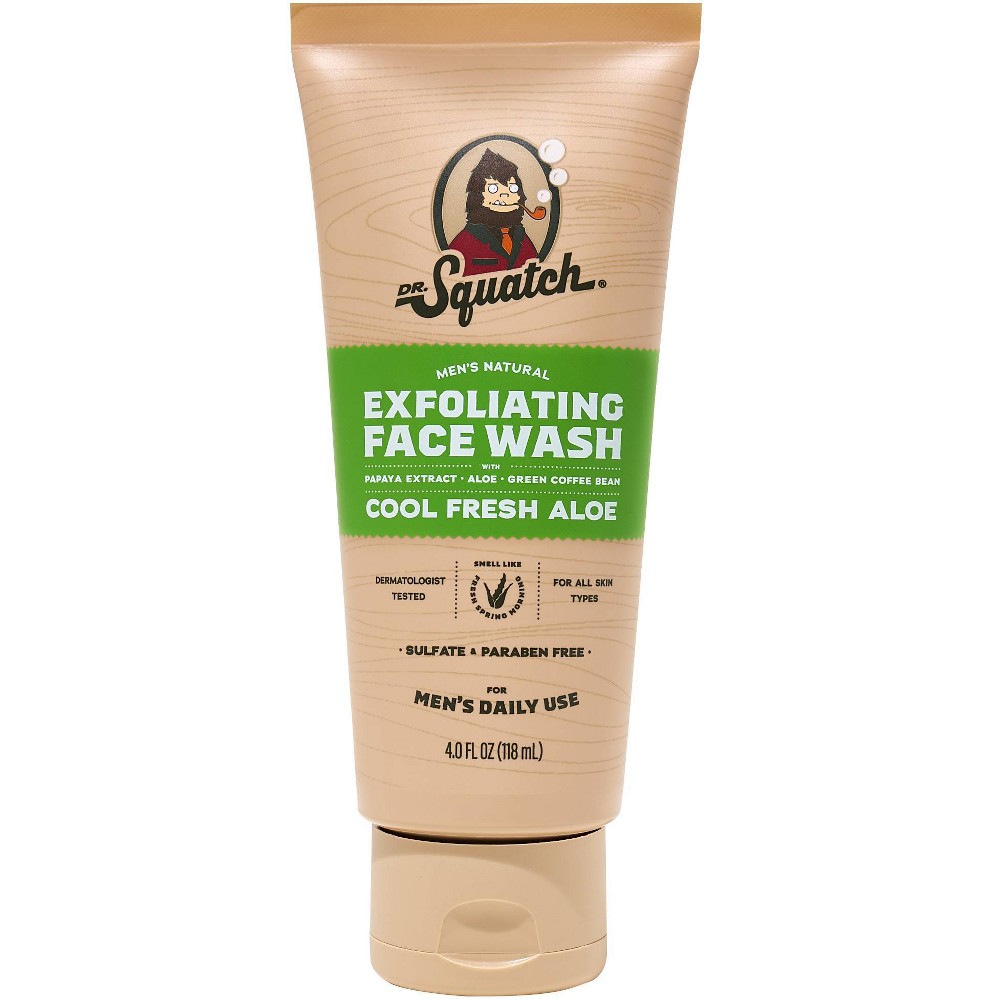
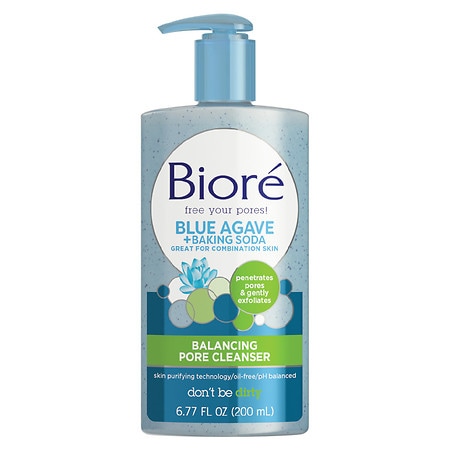
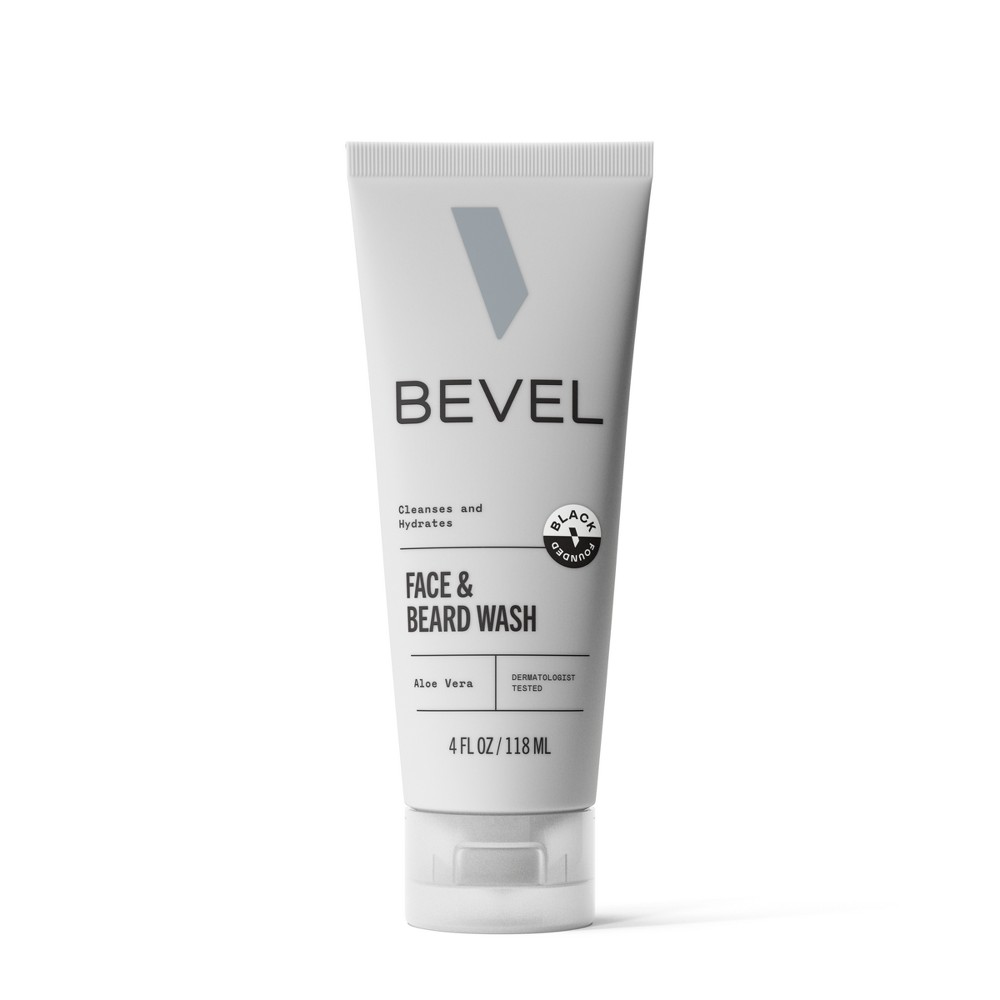
Olay Total Effects Citrus Scrub 6.5 Oz
Summary
This face wash contains a mix of safe and concerning ingredients. While it includes beneficial components like glycerin and ascorbic acid, it also contains PEG-200 Hydrogenated Glyceryl Palmate and BHT, which are synthetic and can be irritating or potentially harmful. The presence of these synthetic ingredients and the moderate level of processing prevent it from achieving a higher score.
At a glance
Key ingredients 9
WaterNeutral
Water is a common solvent used in cosmetics to dissolve other ingredients. It helps in forming emulsions by combining with oils. It is generally considered safe and non-irritating.
Risks
There are no significant risks associated with water in cosmetics.
Benefits
Water helps in hydrating the skin and is essential for the formulation of many cosmetic products.
Sodium LauroamphoacetateNeutral
Sodium Lauroamphoacetate is a mild surfactant used in personal care products. It helps to cleanse the skin by allowing water to mix with oil and dirt. It is considered gentle and suitable for sensitive skin.
Risks
There are minimal risks associated with this ingredient, though some individuals may experience mild irritation.
Benefits
It is beneficial for its mild cleansing properties and is less likely to cause irritation compared to harsher surfactants.
Glycerin
Glycerin is a humectant that attracts moisture to the skin, helping to keep it hydrated. It is commonly used in skincare products for its moisturizing properties. It is considered safe and effective for most skin types.
Risks
There are minimal risks, though excessive use may lead to a sticky feeling on the skin.
Benefits
Glycerin helps maintain skin hydration and improves skin barrier function.
SorbitolNeutral
Sorbitol is a sugar alcohol used as a humectant and thickener in cosmetics. It helps to retain moisture in the skin. It is generally considered safe for topical use.
Risks
There are minimal risks, though it may cause mild irritation in sensitive individuals.
Benefits
Sorbitol helps in keeping the skin moisturized and enhances the texture of cosmetic products.
PEG-200 Hydrogenated Glyceryl PalmateNeutral
PEG-200 Hydrogenated Glyceryl Palmate is an emulsifier and surfactant used in cosmetics. It helps to stabilize formulations and improve texture. It is generally considered safe, though it may be associated with contamination risks.
Risks
There is a potential risk of contamination with ethylene oxide or 1,4-dioxane.
Benefits
It helps in creating stable emulsions and improves the feel of cosmetic products.
Sodium Myristoyl SarcosinateNeutral
Sodium Myristoyl Sarcosinate is a mild surfactant used in cleansing products. It helps to remove dirt and oil from the skin without causing irritation. It is considered safe for most skin types.
Risks
There are minimal risks, though some individuals may experience mild irritation.
Benefits
It provides gentle cleansing and is suitable for sensitive skin.
Hydrated SilicaNeutral
Hydrated Silica is used as an abrasive and thickening agent in cosmetics. It helps to exfoliate the skin by removing dead skin cells. It is generally considered safe for topical use.
Risks
There are minimal risks, though excessive use may lead to skin irritation.
Benefits
It aids in exfoliating the skin, leaving it smooth and refreshed.
Ascorbic Acid
Ascorbic Acid, also known as Vitamin C, is a potent antioxidant used in skincare. It helps to brighten the skin and reduce signs of aging. It is considered beneficial for improving skin tone and texture.
Risks
There is a risk of skin irritation, especially in high concentrations.
Benefits
It provides antioxidant protection and helps in collagen synthesis, improving skin health.
BHT
BHT (Butylated Hydroxytoluene) is a synthetic antioxidant used to preserve the shelf life of cosmetics. It prevents the oxidation of ingredients, maintaining product stability. However, it is controversial due to potential health concerns.
Risks
There are concerns about its potential endocrine-disrupting effects and skin irritation.
Benefits
It helps in preserving the product by preventing oxidation, extending its shelf life.
Processing
Processed Foods
Get the full breakdown in the Scout app
Scan any product to see lab results, healthy alternatives, and your personalized analysis.
Download on theApp Store