
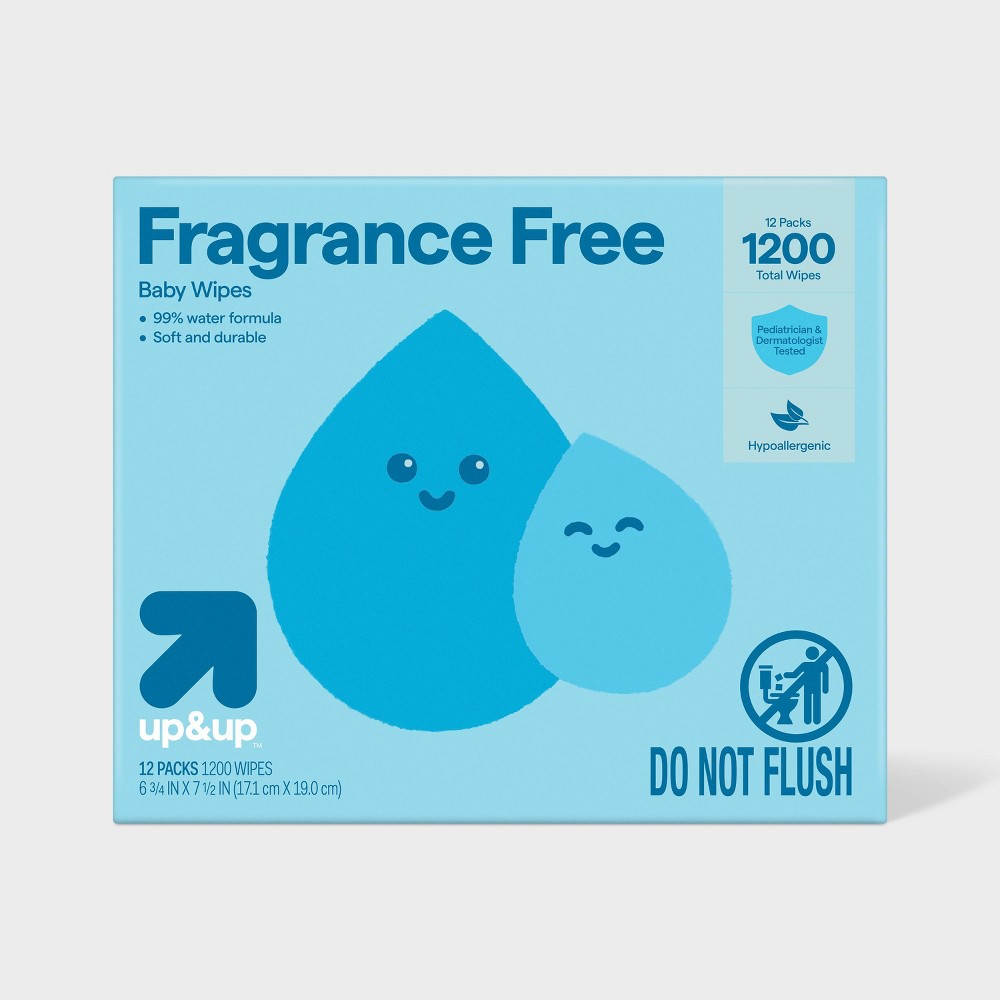
Fragrance Free personal Baby Wipes - 12pk/1200ct - up&up™: Whole Body, Pop-Up Dispenser, Hypoallergenic, Viscose
Summary
The baby wipes are hypoallergenic and fragrance-free, which reduces the risk of skin irritation and allergic reactions. The use of viscose, a plant-based fiber, is a positive aspect, but the product may still contain preservatives or other synthetic ingredients typical in wipes, which can affect the overall safety and environmental impact. The processing level is moderate, as wipes generally require some level of chemical treatment to maintain moisture and prevent microbial growth.
At a glance
Key ingredients 6
WaterNeutral
Water is a common solvent used in many cosmetic products. It acts as a base for other ingredients to dissolve in. It does not have any direct benefits or risks in this context.
Risks
There are no significant risks associated with water in cosmetic products.
Benefits
Water helps to dissolve other ingredients and provides a medium for them to be applied to the skin.
Plant-Derived IngredientsNeutral
Plant-derived ingredients can vary widely in their properties and effects. Without specific details, it's difficult to assess their impact. Generally, they are considered safer and more environmentally friendly than synthetic alternatives.
Risks
Potential risks depend on the specific plant-derived ingredient used, which can include allergic reactions.
Benefits
Plant-derived ingredients are often used for their natural benefits and are perceived as more sustainable.
AlcoholNeutral
Alcohol is often used as a solvent or preservative in cosmetic products. It can help other ingredients penetrate the skin. However, it can also be drying or irritating to some skin types.
Risks
Alcohol can cause dryness and irritation, especially in sensitive skin.
Benefits
Alcohol can enhance the penetration of active ingredients and act as a preservative.
ParabensBad
Parabens are used as preservatives in cosmetics to prevent microbial growth. However, they have been linked to endocrine disruption and are controversial in personal care products.
Risks
Parabens may disrupt hormone function and have been associated with reproductive toxicity.
Benefits
They effectively prevent the growth of harmful bacteria and mold in products.
PhthalatesBad
Phthalates are used to increase the flexibility and softness of plastics. In cosmetics, they are often used as solvents. They are controversial due to potential endocrine-disrupting effects.
Risks
Phthalates have been linked to reproductive and developmental issues.
Benefits
They can improve the texture and spreadability of cosmetic products.
PhenoxyethanolBad
Phenoxyethanol is a preservative used in cosmetics to prevent bacterial growth. It is considered a safer alternative to parabens but can still cause irritation and allergic reactions in some individuals.
Risks
Phenoxyethanol can cause skin irritation and allergic reactions, particularly in sensitive individuals.
Benefits
It effectively preserves products by preventing microbial growth.
Processing
Processed Foods
Get the full breakdown in the Scout app
Scan any product to see lab results, healthy alternatives, and your personalized analysis.
Download on theApp Store