

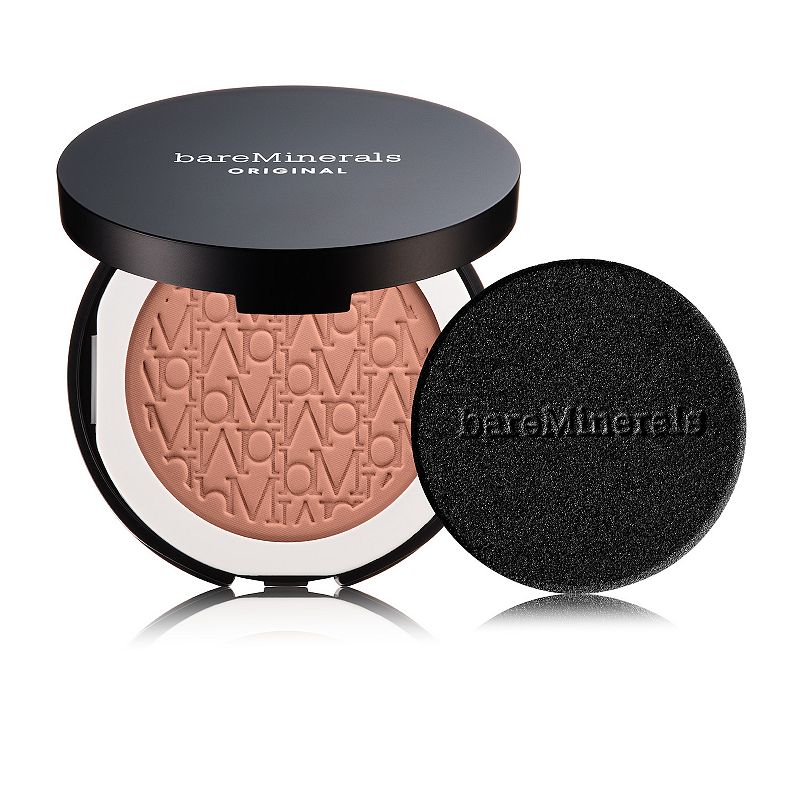
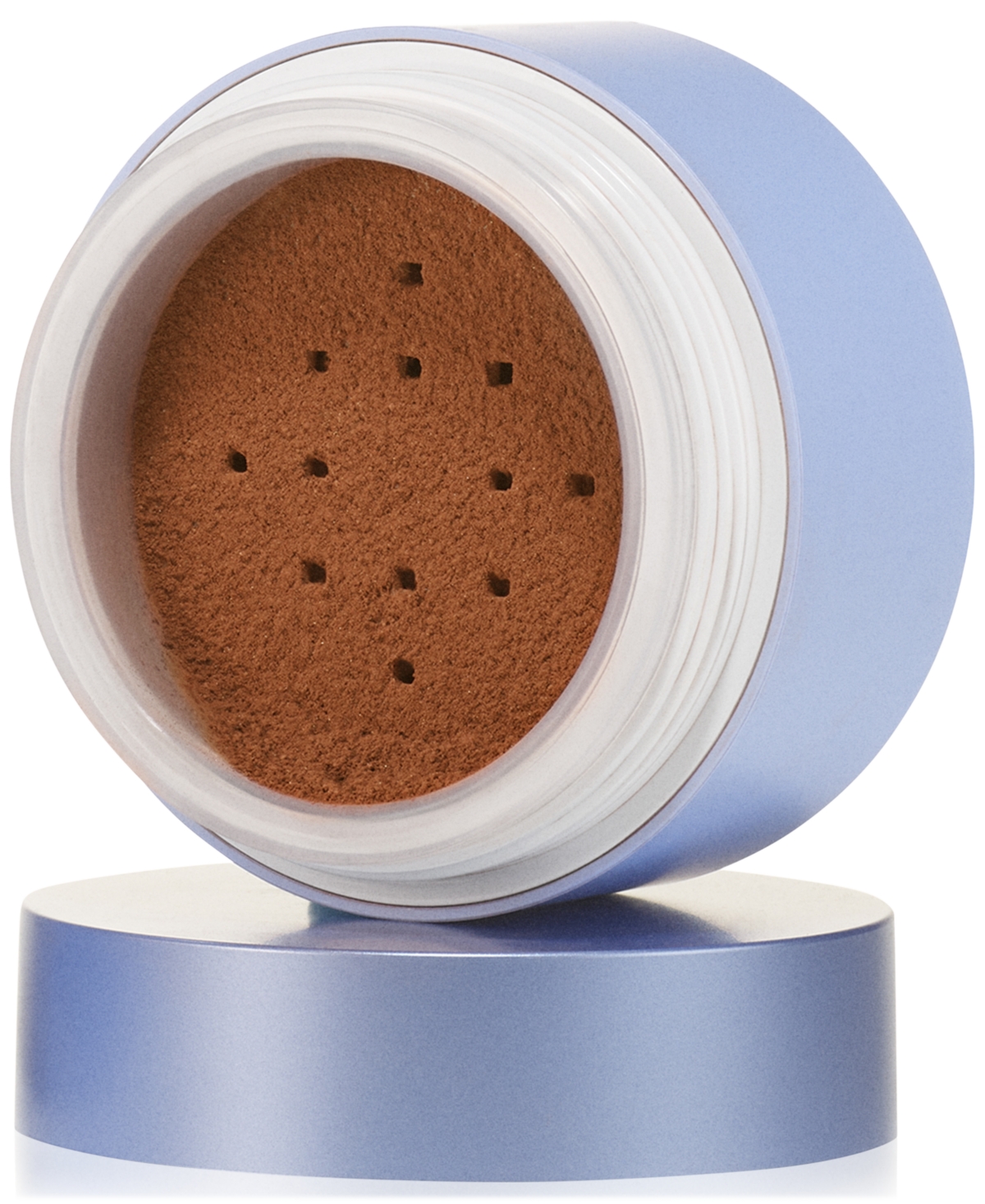
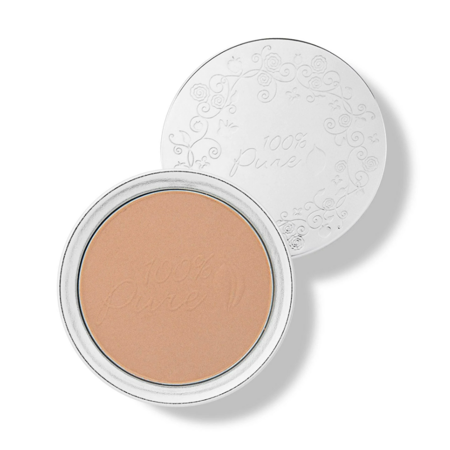
bareMinerals Matte Loose Powder Foundation SPF 15 Light Beige 09
Summary
This foundation features a clean label with minimal synthetic chemicals, focusing on natural and safe ingredients. The absence of harsh surfactants, endocrine disruptors, and synthetic fragrances contributes to its high rating. Its formulation is primarily composed of safe, processed ingredients, making it a reliable choice for those seeking a safer cosmetic product.
At a glance
Key ingredients 7
Lauroyl Lysine
Lauroyl Lysine is an amino acid derivative used to improve the texture and feel of cosmetic products. It provides a silky, smooth application and enhances the adherence of the product to the skin. It is generally considered safe and non-irritating.
Risks
There are minimal risks associated with Lauroyl Lysine, as it is typically well-tolerated by most skin types.
Benefits
It enhances the texture and application of the product, providing a smooth and even finish.
Silica
Silica is a mineral used in cosmetics for its oil-absorbing properties and to provide a matte finish. It helps to control shine and improve the longevity of makeup. It is generally considered safe for use in cosmetics.
Risks
Inhalation of fine silica particles can be a concern, but this is more relevant in occupational settings than in cosmetic use.
Benefits
Silica helps to control oil and shine, providing a matte finish and improving the wear time of makeup.
Calcium Silicate
Calcium Silicate is used in cosmetics as an absorbent and anti-caking agent. It helps to keep the product free-flowing and prevents clumping. It is considered safe for use in cosmetics.
Risks
There are minimal risks associated with Calcium Silicate in cosmetic applications.
Benefits
It helps maintain the consistency and flow of the product, preventing clumping and ensuring smooth application.
Zinc Oxide
Zinc Oxide is a mineral used in cosmetics for its UV protection and skin-soothing properties. It acts as a physical sunscreen by reflecting UV rays. It is considered safe and effective for sun protection.
Risks
There are minimal risks when used in cosmetics, though it can leave a white cast on the skin.
Benefits
Zinc Oxide provides broad-spectrum UV protection and is beneficial for sensitive skin due to its soothing properties.
Mica
Mica is a naturally occurring mineral used in cosmetics for its shimmering properties. It adds a luminous finish to products. It is generally considered safe for use in cosmetics.
Risks
Inhalation of mica particles can be a concern, but this is more relevant in occupational settings than in cosmetic use.
Benefits
Mica provides a natural shimmer and glow, enhancing the visual appeal of cosmetic products.
Titanium Dioxide
Titanium Dioxide is a mineral used in cosmetics for its UV protection and whitening properties. It acts as a physical sunscreen by reflecting UV rays. It is considered safe and effective for sun protection.
Risks
There are minimal risks when used in cosmetics, though it can leave a white cast on the skin.
Benefits
Titanium Dioxide provides broad-spectrum UV protection and is beneficial for its whitening and brightening effects.
Iron Oxides
Iron Oxides are pigments used in cosmetics to provide color. They are stable, non-toxic, and provide a wide range of shades. They are considered safe for use in cosmetics.
Risks
There are minimal risks associated with Iron Oxides in cosmetic applications.
Benefits
Iron Oxides provide vibrant and stable color to cosmetic products, enhancing their aesthetic appeal.
Processing
Processed Culinary Ingredients
Get the full breakdown in the Scout app
Scan any product to see lab results, healthy alternatives, and your personalized analysis.
Download on theApp Store