
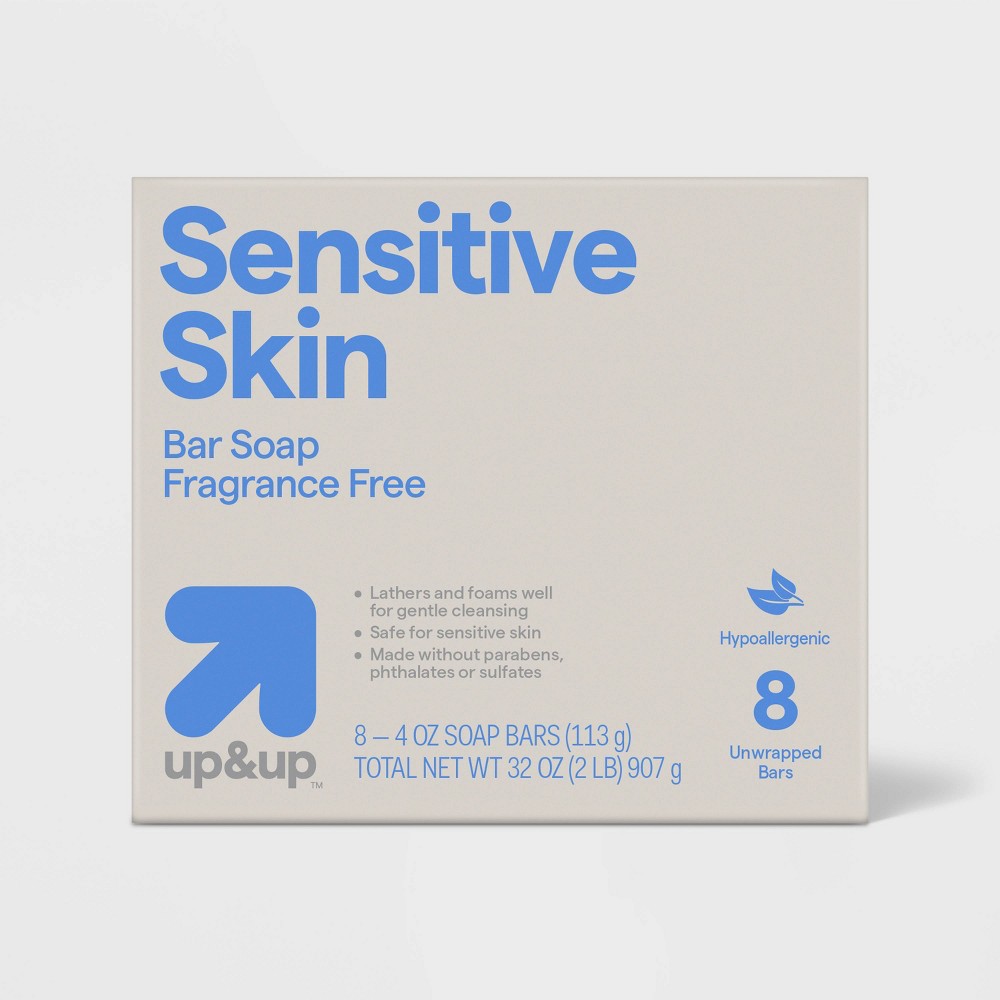
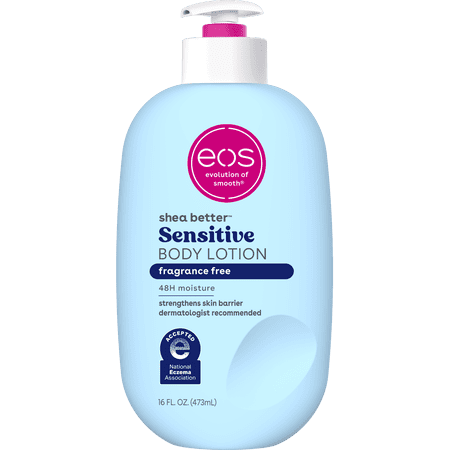
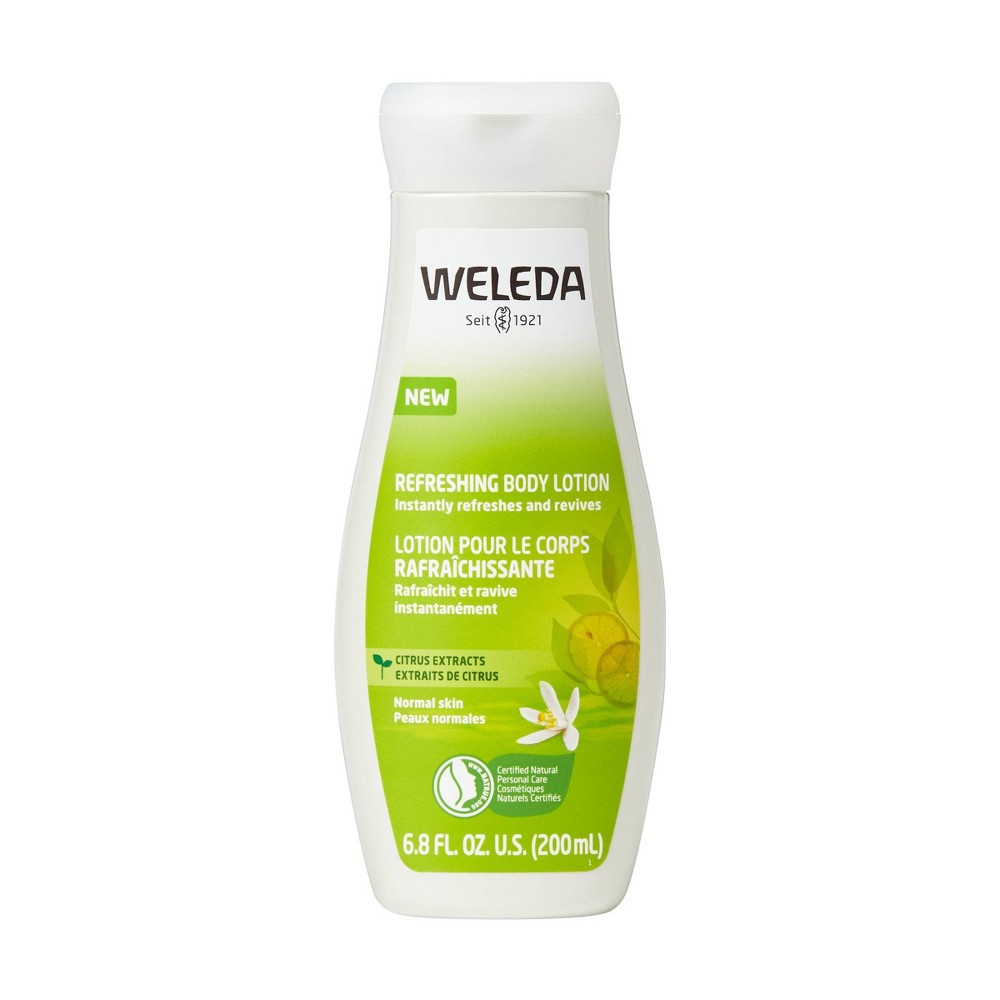
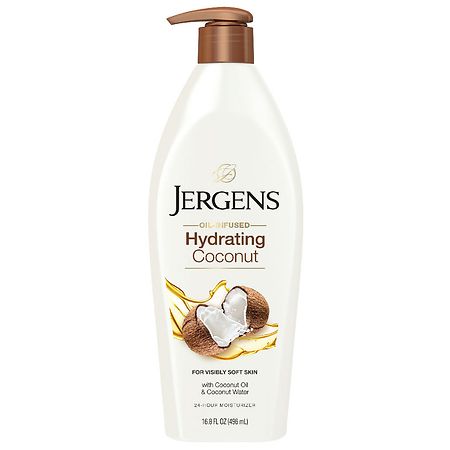
Sensitive Skin Bar Soap - Fragrance Free - 3.75oz/8pk - up&up™
Summary
This sensitive skin bar soap is fragrance-free, which is beneficial for reducing potential skin irritation. However, as a processed product, it may contain synthetic ingredients or preservatives that are typical in such formulations, which can impact its overall safety and naturalness. The absence of synthetic fragrances is a positive aspect, but the processing level and potential presence of other synthetic components prevent it from achieving a higher score.
At a glance
Key ingredients 7
Sodium Palmate
Sodium Palmate is a sodium salt of palm oil fatty acids, commonly used as a cleansing agent. It helps to create a lather and remove dirt and oils from the skin. It is generally considered safe and effective for use in soaps.
Risks
There is a potential environmental concern due to palm oil sourcing, which can contribute to deforestation.
Benefits
It is effective in cleansing the skin without being overly harsh.
Water
Water is used as a solvent in many cosmetic products, helping to dissolve other ingredients. It is essential for the formulation of the soap and contributes to its texture and usability. Water is a neutral ingredient with no direct impact on skin health.
Risks
There are no significant risks associated with water in cosmetic formulations.
Benefits
Water helps to hydrate the skin and is necessary for the product's consistency.
Glycerin
Glycerin is a humectant that attracts moisture to the skin, helping to keep it hydrated. It is a common ingredient in skincare products due to its moisturizing properties. Glycerin is generally well-tolerated and beneficial for most skin types.
Risks
There are minimal risks associated with glycerin, though it can occasionally cause irritation in very sensitive individuals.
Benefits
It helps to maintain skin hydration and improve skin barrier function.
Sodium Lauroyl Isethionate
Sodium Lauroyl Isethionate is a mild surfactant used to create a creamy lather in cleansing products. It is derived from coconut oil and is known for being gentle on the skin. This ingredient is often used in products for sensitive skin due to its mild nature.
Risks
There are minimal risks, though it can cause mild irritation if used in high concentrations.
Benefits
It provides effective cleansing while being gentle and non-drying.
Stearic Acid
Stearic Acid is a fatty acid used as an emulsifier and thickener in cosmetic products. It helps to stabilize formulations and improve texture. It is derived from natural sources and is generally considered safe for use in skincare.
Risks
There are minimal risks associated with stearic acid, though it can cause mild irritation in sensitive individuals.
Benefits
It helps to improve the texture and stability of the product.
Lauric Acid
Lauric Acid is a fatty acid known for its antimicrobial properties and is used in soaps for its cleansing abilities. It is derived from coconut oil and is effective in removing oils and dirt from the skin. Lauric Acid is generally considered safe and beneficial for skin health.
Risks
There are minimal risks, though it can cause irritation in very sensitive skin.
Benefits
It provides effective cleansing and has antimicrobial benefits.
Sodium Oleate
Sodium Oleate is a sodium salt of oleic acid, used as a surfactant and emulsifying agent in soaps. It helps to create a stable lather and improve the cleansing properties of the product. Sodium Oleate is generally considered safe for use in skincare products.
Risks
There are minimal risks, though it can cause mild irritation in sensitive skin.
Benefits
It enhances the cleansing ability and lathering of the soap.
Processing
Processed Foods
Get the full breakdown in the Scout app
Scan any product to see lab results, healthy alternatives, and your personalized analysis.
Download on theApp Store