


At a glance
Summary
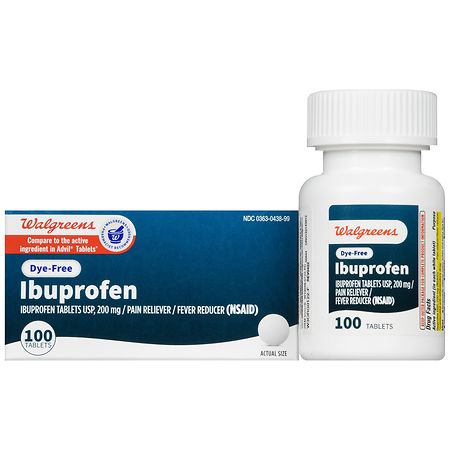
This ibuprofen product contains several inactive ingredients such as silicon dioxide, starch, and microcrystalline cellulose, which are common in pharmaceutical formulations to aid in tablet stability and absorption. While these additives are generally considered safe, the presence of multiple processing agents like polyethylene glycol and povidone indicates a moderate level of processing. The absence of artificial dyes is a positive aspect, but the formulation is typical for over-the-counter medications, which impacts its overall score.
Key ingredients 13
IbuprofenNeutral
Ibuprofen is a nonsteroidal anti-inflammatory drug (NSAID) used to reduce fever and treat pain or inflammation. It is effective for short-term relief but should be used with caution due to potential side effects. It is not considered beneficial or harmful in the context of this analysis.
Risks
Potential risks include gastrointestinal issues, increased risk of heart attack or stroke, and kidney damage with prolonged use.
Benefits
Provides effective relief from pain, inflammation, and fever.
Silicon DioxideNeutral
Silicon dioxide is commonly used as an anti-caking agent in supplements and pharmaceuticals. It is generally recognized as safe when used in small amounts. It does not provide nutritional benefits but helps maintain product stability.
Benefits
Helps prevent clumping and ensures even distribution of active ingredients.
Starch, CornNeutral
Corn starch is used as a filler or binder in tablets and capsules. It is a common ingredient in processed foods and supplements. It does not offer significant nutritional benefits but is effective in its functional role.
Benefits
Provides structural integrity to tablets and aids in the manufacturing process.
HypromelloseNeutral
Hypromellose is a cellulose derivative used as a film former and controlled-release agent in pharmaceuticals. It is considered safe and inert. It does not contribute nutritional value but is important for controlled drug release.
Benefits
Enables controlled release of active ingredients, enhancing product efficacy.
Anhydrous LactoseNeutral
Anhydrous lactose is used as a filler and binder in tablets. It is a sugar derived from milk and is generally safe for most people. It does not provide significant nutritional benefits in this context.
Risks
May cause digestive issues in individuals with lactose intolerance.
Benefits
Acts as a filler to ensure consistent tablet size and dosage.
Magnesium StearateNeutral
Magnesium stearate is a common lubricant used in tablet manufacturing to prevent ingredients from sticking to equipment. It is considered safe in small amounts. It does not offer nutritional benefits but is crucial for manufacturing efficiency.
Benefits
Improves manufacturing efficiency by preventing sticking and ensuring uniformity.
Microcrystalline CelluloseNeutral
Microcrystalline cellulose is used as a bulking agent and stabilizer in tablets. It is derived from plant fibers and is considered safe. It does not provide nutritional benefits but is important for tablet consistency.
Benefits
Provides bulk and stability to tablets, ensuring consistent dosage.
PolydextroseNeutral
Polydextrose is a synthetic polymer of glucose used as a bulking agent and fiber supplement. It is generally recognized as safe and is used to add bulk without adding calories. It does not provide significant nutritional benefits in this context.
Risks
May cause digestive discomfort in some individuals when consumed in large amounts.
Benefits
Adds bulk to products without significantly increasing calorie content.
Polyethylene GlycolNeutral
Polyethylene glycol is used as a solvent and plasticizer in pharmaceuticals. It is considered safe for use in small amounts. It does not provide nutritional benefits but aids in the manufacturing process.
Benefits
Enhances the solubility and stability of active ingredients.
PovidoneNeutral
Povidone is used as a binder and solubilizing agent in tablets. It is a synthetic polymer that is generally recognized as safe. It does not offer nutritional benefits but is important for tablet formulation.
Benefits
Improves the solubility and bioavailability of active ingredients.
Sodium Starch Glycolate Type A PotatoNeutral
Sodium starch glycolate is used as a disintegrant in tablets to facilitate rapid breakdown. It is derived from potato starch and is considered safe. It does not provide nutritional benefits but enhances product efficacy.
Benefits
Ensures rapid disintegration of tablets for quicker absorption.
Stearic AcidNeutral
Stearic acid is used as a lubricant in tablet manufacturing. It is a saturated fatty acid that is generally recognized as safe. It does not provide nutritional benefits but aids in the manufacturing process.
Benefits
Improves manufacturing efficiency by preventing sticking and ensuring uniformity.
TriacetinNeutral
Triacetin is used as a plasticizer and solvent in pharmaceuticals. It is considered safe for use in small amounts. It does not provide nutritional benefits but enhances the flexibility and stability of tablets.
Benefits
Enhances the flexibility and stability of tablets, ensuring consistent quality.
Processing
Processed Foods
Get the full breakdown in the Scout appTake Scout shopping
Scan any product to see lab results, healthy alternatives, and your personalized analysis.
Download on theApp Store GET IT ONGoogle Play