
Ingredient
Polyethylene Glycol
What is Polyethylene Glycol?
Polyethylene Glycol, often abbreviated as PEG, is a polymer made from ethylene glycol. It comes in various molecular weights, which affect its texture and application, making it versatile for numerous uses in consumer products.
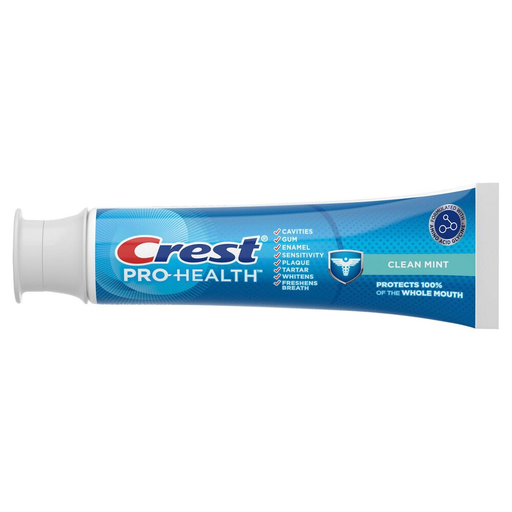
In toothpaste, Polyethylene Glycol functions primarily as a humectant, helping to retain moisture and ensure product consistency. It is generally recognized as safe by regulatory agencies, but it can sometimes cause skin irritation or allergic reactions in sensitive individuals.
When you spot PEG on a label, it's useful to know its diverse applications, from pharmaceuticals to personal care items. In most cases, its presence in consumer products is well-regulated and monitored for safety.
Commonly found in: Toothpaste, Cosmetics, Pharmaceuticals, Lotions, Industrial lubricants
What to watch
- May cause skin irritation in sensitive individuals.
- Rarely, it can lead to allergic reactions.
Benefits
- Helps retain moisture in products like toothpaste.
PEG is generally recognized as safe (GRAS) for use in food and pharmaceuticals.
While PEG is safe for most people, research notes isolated cases of hypersensitivity.
Polyethylene Glycol is synthetic and not derived from animal sources, typically considered vegan-friendly.
Sources: Polyethylene Glycol Toxicity
Scout's take
PEG thickener/solvent; commonly contaminated with 1,4-dioxane and ethylene oxide as ethoxylation byproducts.
Found in 1 product
Scan any product to see every ingredient explained — and healthier swaps.
Download on theApp Store GET IT ONGoogle Play