
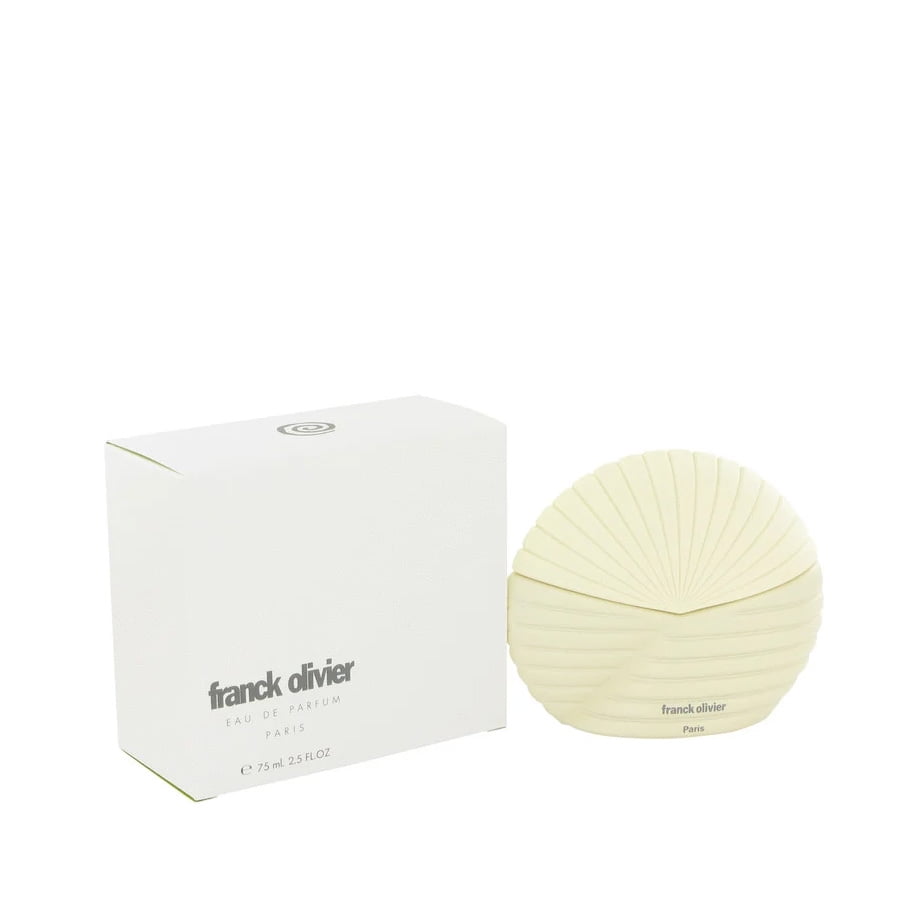



Franck Olivier Nature Eau De Parfum Spray 2.5 Oz & Pouch
Summary
This perfume is minimally processed, which is generally positive for ingredient safety. However, perfumes often contain synthetic fragrances, which can include undisclosed chemicals that may cause skin irritation or allergic reactions. The lack of detailed ingredient transparency prevents a higher score, as potential endocrine disruptors or allergens cannot be ruled out.
At a glance
Key ingredients 14
Cinnamon
Cinnamon is often used for its aromatic properties in perfumes and cosmetics. It provides a warm, spicy scent that is popular in many fragrance formulations. Its natural origin makes it a preferred choice over synthetic fragrances.
Risks
Cinnamon can cause skin irritation or allergic reactions in sensitive individuals.
Benefits
It offers a natural and pleasant aroma that can enhance the sensory experience of a product.
Lilac
Lilac is used in cosmetics for its floral fragrance, which is both soothing and refreshing. It is derived from the flowers of the lilac plant, making it a natural fragrance option. Its scent is often associated with spring and freshness.
Risks
Lilac can cause allergic reactions in some individuals, especially those with sensitivities to floral scents.
Benefits
Provides a natural and calming fragrance that can enhance the appeal of cosmetic products.
Jasmine
Jasmine is a popular ingredient in perfumes due to its rich, sweet floral scent. It is derived from the flowers of the jasmine plant and is considered a luxurious fragrance component. Its natural origin is favored in high-quality fragrance formulations.
Risks
Jasmine can cause skin irritation or allergic reactions in sensitive individuals.
Benefits
Offers a natural and luxurious aroma that is highly valued in perfumery.
Sandalwood
Sandalwood is used in cosmetics for its woody, warm fragrance. It is derived from the wood of the sandalwood tree and is known for its calming and grounding scent. Its natural origin makes it a preferred choice in fragrance formulations.
Risks
Sandalwood can cause allergic reactions or skin irritation in some individuals.
Benefits
Provides a natural and soothing aroma that is often used in aromatherapy and perfumery.
White Musk
White Musk is a synthetic fragrance component used to mimic the scent of natural musk. It is popular in perfumes for its clean, soft, and powdery scent. Its synthetic nature allows for ethical and sustainable use in cosmetics.
Risks
Synthetic musks can accumulate in the environment and may cause allergic reactions in sensitive individuals.
Benefits
Offers a long-lasting and pleasant fragrance that enhances the overall scent profile of a product.
Lily Of The Valley
Lily of the Valley is used in perfumes for its delicate, sweet floral scent. It is derived from the flowers of the plant and is a popular choice for creating fresh and light fragrance profiles. Its natural origin is appreciated in high-quality formulations.
Risks
Can cause allergic reactions or skin irritation in sensitive individuals.
Benefits
Provides a natural and fresh aroma that is often associated with purity and springtime.
Lychee
Lychee is used in cosmetics for its sweet, fruity fragrance. It is derived from the fruit of the lychee tree and adds a tropical note to fragrance compositions. Its natural origin is favored in creating exotic and refreshing scents.
Risks
Lychee fragrance can cause allergic reactions in some individuals.
Benefits
Offers a natural and exotic aroma that can enhance the sensory appeal of a product.
Marigold
Marigold is used in cosmetics for its floral and slightly spicy scent. It is derived from the flowers of the marigold plant and is known for its vibrant and uplifting fragrance. Its natural origin is appreciated in fragrance formulations.
Risks
Can cause skin irritation or allergic reactions in sensitive individuals.
Benefits
Provides a natural and cheerful aroma that can enhance the fragrance profile of a product.
Peach
Peach is used in cosmetics for its sweet, fruity fragrance. It is derived from the fruit of the peach tree and adds a juicy and refreshing note to fragrance compositions. Its natural origin is favored in creating appealing and fresh scents.
Risks
Peach fragrance can cause allergic reactions in some individuals.
Benefits
Offers a natural and delightful aroma that can enhance the sensory experience of a product.
Green Apple
Green Apple is used in cosmetics for its crisp, fruity fragrance. It is derived from the fruit of the apple tree and adds a fresh and invigorating note to fragrance compositions. Its natural origin is appreciated in creating lively and refreshing scents.
Risks
Green apple fragrance can cause allergic reactions in some individuals.
Benefits
Provides a natural and refreshing aroma that can enhance the appeal of a product.
Bergamot
Bergamot is used in cosmetics for its citrusy, fresh fragrance. It is derived from the peel of the bergamot orange and is a popular choice for creating uplifting and refreshing scent profiles. Its natural origin is favored in high-quality fragrance formulations.
Risks
Bergamot can cause photosensitivity and allergic reactions in some individuals.
Benefits
Offers a natural and invigorating aroma that is often used to enhance mood and well-being.
Cedarwood
Cedarwood is used in cosmetics for its woody, warm fragrance. It is derived from the wood of the cedar tree and is known for its calming and grounding scent. Its natural origin makes it a preferred choice in fragrance formulations.
Risks
Cedarwood can cause skin irritation or allergic reactions in some individuals.
Benefits
Provides a natural and soothing aroma that is often used in aromatherapy and perfumery.
Lemon
Lemon is used in cosmetics for its fresh, citrusy fragrance. It is derived from the peel of the lemon fruit and is a popular choice for creating uplifting and refreshing scent profiles. Its natural origin is appreciated in high-quality fragrance formulations.
Risks
Lemon can cause photosensitivity and allergic reactions in some individuals.
Benefits
Offers a natural and invigorating aroma that is often used to enhance mood and well-being.
Musk
Musk is a synthetic fragrance component used to mimic the scent of natural musk. It is popular in perfumes for its warm, sensual, and long-lasting scent. Its synthetic nature allows for ethical and sustainable use in cosmetics.
Risks
Synthetic musks can accumulate in the environment and may cause allergic reactions in sensitive individuals.
Benefits
Provides a long-lasting and pleasant fragrance that enhances the overall scent profile of a product.
Processing
Unprocessed or Minimally Processed Foods
Get the full breakdown in the Scout app
Scan any product to see lab results, healthy alternatives, and your personalized analysis.
Download on theApp Store