

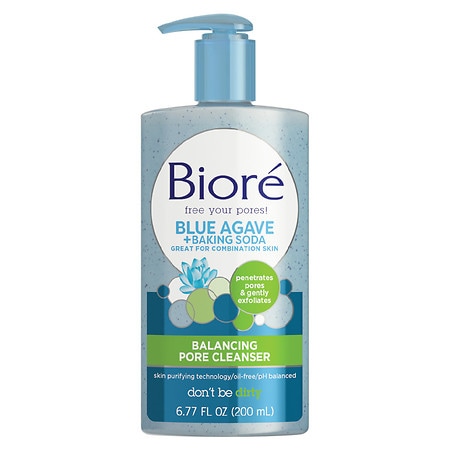
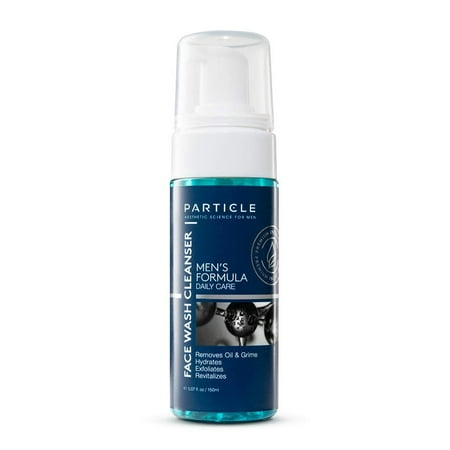

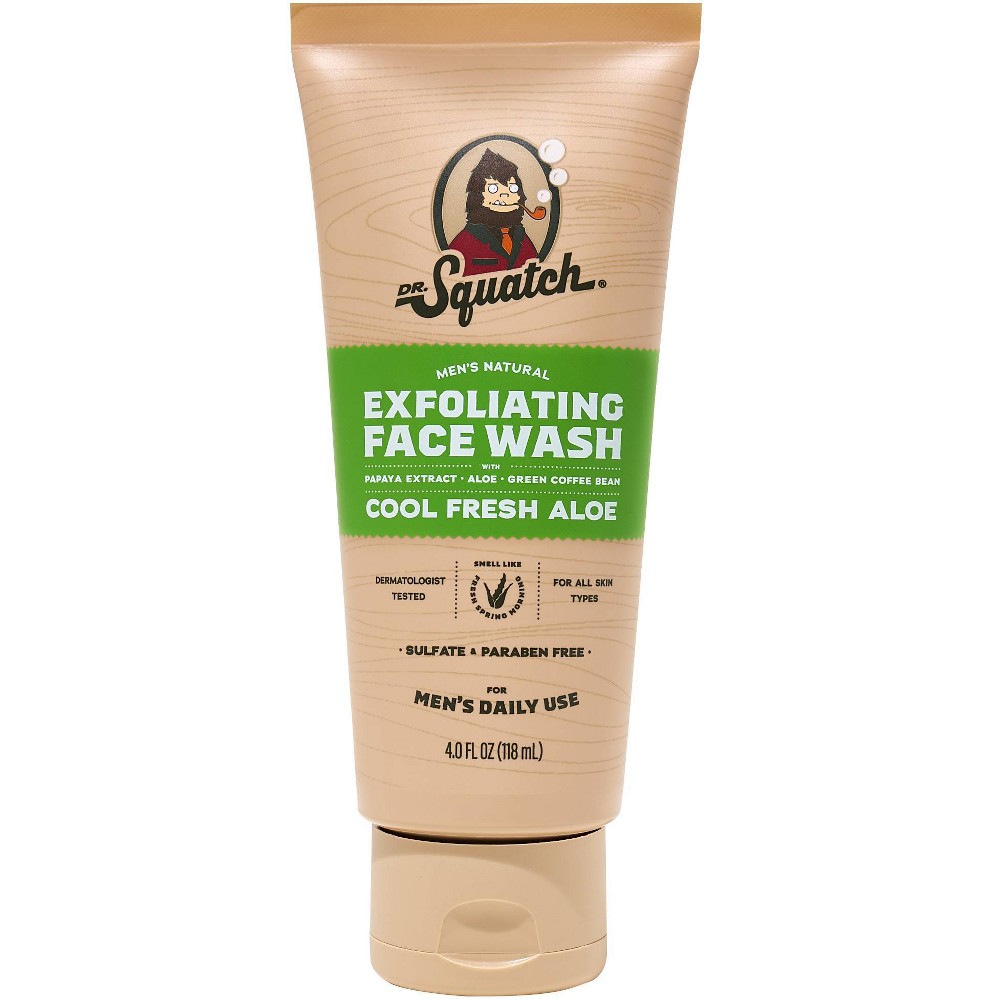
Kiehl's Since 1851 Ultra Facial Cleanser, 2.5-oz.
Summary
This facial cleanser contains beneficial ingredients like Decyl Glucoside and Glycerin, which are gentle and moisturizing for the skin. However, the presence of Sodium Laureth Sulfate, which poses a contamination risk with 1,4-dioxane, lowers its safety profile. The product is moderately processed, which further impacts its overall rating.
At a glance
Key ingredients 7
WaterNeutral
Water is a universal solvent used in cosmetics to dissolve other ingredients. It acts as a base for the formulation, ensuring even distribution of active ingredients. It is generally considered safe and non-irritating.
Risks
There are no significant risks associated with water in cosmetics.
Benefits
Water helps to hydrate the skin and is essential for the formulation of most cosmetic products.
Sodium Laureth SulfateBad
Sodium Laureth Sulfate is a surfactant used for its cleansing and foaming properties. It is milder than Sodium Lauryl Sulfate but can still strip natural oils from the skin. There is a risk of contamination with 1,4-dioxane, a potential carcinogen, during its production.
Risks
It can cause skin irritation and dryness, especially in sensitive individuals.
Benefits
It effectively removes dirt and oil from the skin, contributing to a clean feeling.
Decyl GlucosideGood
Decyl Glucoside is a mild, non-ionic surfactant derived from glucose and coconut oil. It is gentle on the skin and suitable for sensitive skin types. It is biodegradable and considered environmentally friendly.
Risks
There are minimal risks associated with Decyl Glucoside, though very sensitive skin may experience mild irritation.
Benefits
It provides effective cleansing without stripping the skin of its natural oils.
GlycerinGood
Glycerin is a humectant that attracts moisture to the skin, helping to keep it hydrated. It is a common ingredient in skincare products due to its moisturizing properties. It is generally well-tolerated and non-irritating.
Risks
There are minimal risks, though in very high concentrations it may cause a sticky feeling on the skin.
Benefits
It helps to maintain skin hydration and improve skin barrier function.
Cocamidopropyl BetaineNeutral
Cocamidopropyl Betaine is a surfactant and foam booster derived from coconut oil. It is used to enhance the texture and feel of cleansing products. It is generally considered mild and suitable for most skin types.
Risks
Some individuals may experience allergic reactions or irritation.
Benefits
It helps to create a rich lather and improve the cleansing efficacy of the product.
Disodium CocoamphodiacetateNeutral
Disodium Cocoamphodiacetate is a mild surfactant used to reduce irritation potential in cleansing products. It is derived from coconut oil and is often used in formulations for sensitive skin. It is considered safe for use in cosmetics.
Risks
There are minimal risks, though it may cause mild irritation in very sensitive individuals.
Benefits
It helps to cleanse the skin gently without causing excessive dryness.
Acrylates CopolymerNeutral
Acrylates Copolymer is used as a film-forming agent and thickener in cosmetic formulations. It helps to stabilize the product and improve its texture. It is generally considered safe for use in cosmetics.
Risks
There are minimal risks, though it may cause mild irritation in sensitive skin.
Benefits
It enhances the texture and stability of the product, contributing to a pleasant application experience.
Processing
Processed Foods
Get the full breakdown in the Scout app
Scan any product to see lab results, healthy alternatives, and your personalized analysis.
Download on theApp Store