
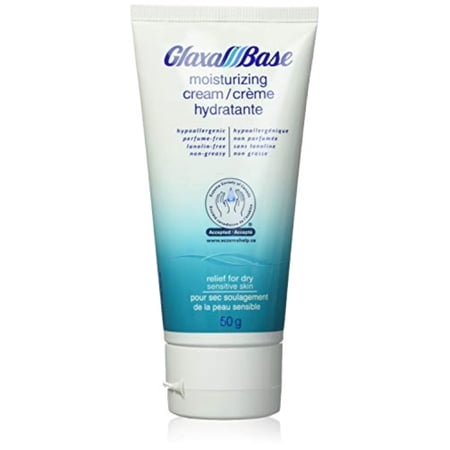

WELLSKIN Base Moisturizing Cream 82% Less Dry & Itchy Skin in 2 Weeks Non-Greasy & Hypoallergenic Lotion for Dry Chapped & Rough Skin 50 g (1.7 oz)
Summary
This moisturizer contains beneficial ingredients such as natural oils and skin actives like hyaluronic acid, which are known for their hydrating properties. However, the presence of synthetic preservatives and emulsifiers slightly lowers its score. The product is processed, but it maintains a relatively clean label with no major harmful chemicals, making it a safe choice for most users.
At a glance
Key ingredients 8
Aqua
Aqua, or water, is a common solvent used in cosmetics to dissolve other ingredients. It helps in the application and absorption of the product. It is generally considered safe and non-irritating.
Risks
There are no significant risks associated with water in cosmetics.
Benefits
Water helps to hydrate the skin and acts as a carrier for other beneficial ingredients.
Propylene Glycol
Propylene Glycol is a synthetic liquid substance that absorbs water and is used as a humectant in cosmetics. It helps to maintain moisture in the skin. It is generally recognized as safe for use in cosmetics.
Risks
In some cases, it can cause skin irritation or allergic reactions, especially in sensitive individuals.
Benefits
It helps to keep the skin hydrated by attracting water from the air into the skin.
Paraffinum Liquidum
Paraffinum Liquidum, also known as mineral oil, is used as an emollient to soften and smooth the skin. It forms a barrier on the skin's surface to prevent moisture loss. It is widely used in cosmetics for its moisturizing properties.
Risks
There are concerns about its potential to clog pores and cause acne in some individuals.
Benefits
It provides a protective layer on the skin, helping to retain moisture and improve skin texture.
Petrolatum
Petrolatum is a semi-solid mixture of hydrocarbons used as a skin protectant and moisturizer. It is effective in preventing moisture loss from the skin. It is considered safe for use in cosmetics but is heavily penalized due to its occlusive nature.
Risks
There are concerns about its potential to clog pores and its origin from petroleum, which may contain impurities.
Benefits
It is highly effective in forming a barrier to lock in moisture and protect the skin from environmental factors.
Cetearyl Alcohol
Cetearyl Alcohol is a fatty alcohol used as an emollient and thickening agent in cosmetics. It helps to stabilize and thicken formulations. It is considered safe and non-irritating for most skin types.
Risks
It is generally low-risk, but in rare cases, it can cause mild irritation.
Benefits
It helps to soften and smooth the skin, improving the texture of the product.
Ceteareth-20
Ceteareth-20 is an emulsifier used to blend oil and water in formulations. It helps to create a stable and uniform product. It is generally considered safe for use in cosmetics.
Risks
There is a potential risk of contamination with 1,4-dioxane, a byproduct of ethoxylation, which is a concern for long-term exposure.
Benefits
It improves the texture and consistency of the product, making it easier to apply.
Mineral Oil
Mineral Oil is a clear, odorless oil used as an emollient to lock in moisture. It forms a barrier on the skin's surface to prevent water loss. It is widely used in cosmetics for its moisturizing properties.
Risks
There are concerns about its potential to clog pores and cause acne in some individuals.
Benefits
It provides a protective layer on the skin, helping to retain moisture and improve skin texture.
p-Chloro-m-cresol
p-Chloro-m-cresol is a preservative used to prevent the growth of bacteria and fungi in cosmetic products. It helps to extend the shelf life of the product. It is effective in low concentrations but is heavily penalized due to potential irritation.
Risks
It can cause skin irritation and allergic reactions in sensitive individuals.
Benefits
It helps to maintain the product's integrity by preventing microbial contamination.
Processing
Processed Foods
Get the full breakdown in the Scout app
Scan any product to see lab results, healthy alternatives, and your personalized analysis.
Download on theApp Store