
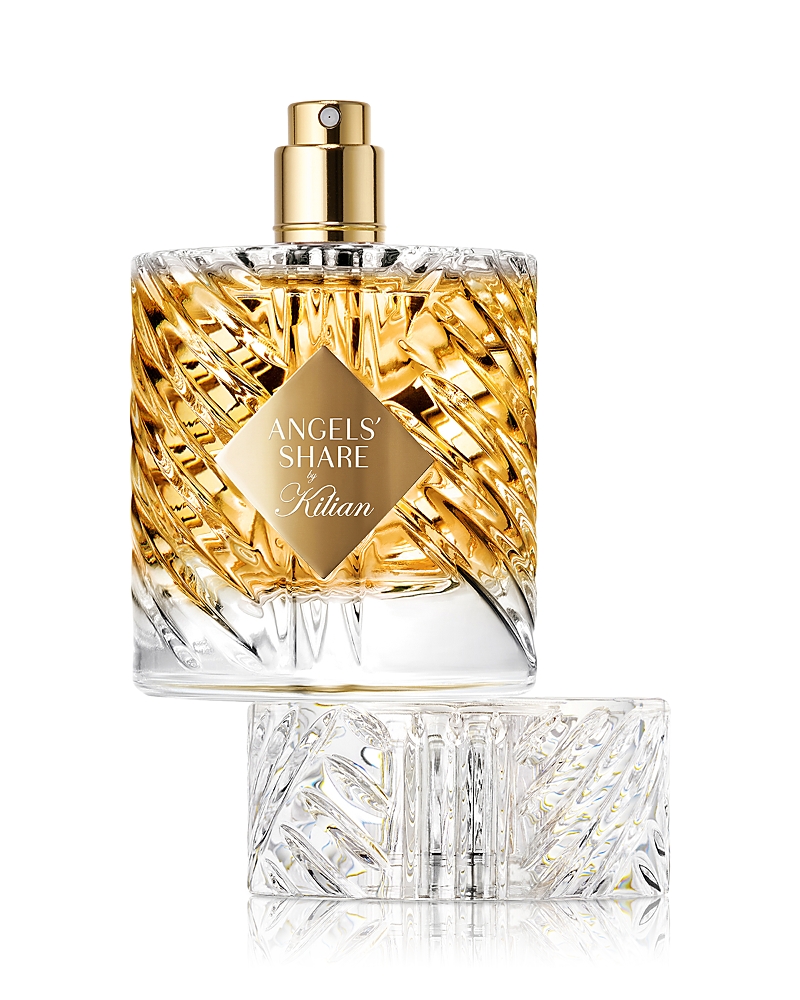

Kilian Angels' Share Refillable Perfume 3.4 oz.
Summary
This perfume contains synthetic fragrance ingredients like ethyl linalool and vanillin, which are chemically synthesized and can raise concerns about skin sensitivity and allergies. While these ingredients enhance the fragrance, they may cause irritation in sensitive individuals, impacting the overall safety profile of the product.
At a glance
Key ingredients 12
CognacNeutral
Cognac is an alcoholic beverage derived from distilled wine, primarily used for its aromatic properties in perfumes. It undergoes a fermentation and distillation process, which can concentrate certain compounds. While it adds a luxurious scent, it has no direct health benefits when used in perfumes.
CinnamonNeutral
Cinnamon is a spice obtained from the inner bark of trees from the genus Cinnamomum, known for its warm, sweet aroma. It is typically processed by drying and grinding, which preserves its essential oils. In perfumes, it provides a spicy note but offers no health benefits.
See more about Cinnamon →Tonka BeanNeutral
Tonka bean is a seed from the Dipteryx odorata tree, used for its sweet fragrance in perfumes. It is processed by drying and sometimes fermenting to enhance its aroma. While it adds a pleasant scent, it has no health benefits in this context.
Risks
Contains coumarin, which can be toxic in large quantities, but poses no risk in perfume use.
Oak WoodNeutral
Oak wood is used in perfumery for its rich, woody aroma, often extracted through steam distillation. It is valued for its ability to add depth to fragrances. In perfumes, it serves an aromatic purpose without health benefits.
VanillaNeutral
Vanilla is derived from the pods of the vanilla orchid, known for its sweet and creamy scent. It is typically extracted using alcohol or CO2 methods to preserve its aromatic compounds. In perfumes, it enhances fragrance complexity but offers no health benefits.
See more about Vanilla →PralineNeutral
Praline is a confectionery ingredient made from nuts and sugar, used in perfumes for its sweet, nutty aroma. It is processed by caramelizing sugar and mixing with nuts, primarily for scent purposes. It does not provide health benefits in perfumes.
CedarwoodNeutral
Cedarwood is an essential oil extracted from the wood of cedar trees, known for its woody, balsamic scent. It is typically obtained through steam distillation, preserving its aromatic properties. In perfumes, it adds depth but has no health benefits.
HazelnutNeutral
Hazelnut is used in perfumery for its nutty, sweet aroma, often extracted through cold pressing or solvent extraction. It contributes to the fragrance profile but does not offer health benefits in this context.
SandalwoodNeutral
Sandalwood is an aromatic wood known for its rich, creamy scent, often extracted through steam distillation. It is prized in perfumery for its long-lasting fragrance. While it enhances scent, it provides no health benefits.
AmbroxanNeutral
Ambroxan is a synthetic compound used in perfumery for its musky, ambergris-like scent. It is synthesized from sclareol, a component of clary sage oil. It enhances fragrance longevity but has no health benefits.
Ethyl LinaloolBad
Ethyl linalool is a synthetic fragrance ingredient used for its floral, citrusy scent. It is chemically synthesized, which can raise concerns about skin sensitivity and allergies. While it enhances fragrance, it may cause irritation in sensitive individuals.
Risks
Potential skin irritant and allergen, especially for sensitive individuals.
VanillinBad
Vanillin is a synthetic compound used to mimic the scent of natural vanilla. It is produced through chemical synthesis, which can lead to concerns about purity and potential allergens. While it provides a sweet aroma, it may cause irritation in some individuals.
Risks
Potential allergen and skin irritant for sensitive individuals.
Processing
Processed Foods
Get the full breakdown in the Scout app
Scan any product to see lab results, healthy alternatives, and your personalized analysis.
Download on theApp Store