
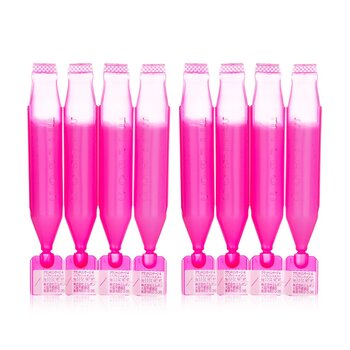

MilbonGrand Linkage Hair Treatment - 4 8x9g/0.3oz
Analysis updated August 2026 · How Scout scores
At a glance
Summary
This hair treatment contains beneficial ingredients like squalane, macadamia nut oil, and hydrolyzed collagen, which are known for their moisturizing and strengthening properties. However, the presence of preservatives such as methylchloroisothiazolinone and methylisothiazolinone, which are associated with skin sensitization, along with undisclosed fragrance components, raises concerns about potential allergic reactions. The product's processing level and inclusion of these potentially irritating ingredients impact its overall rating.
Key ingredients 18
SqualaneVery Good
Squalane is a highly effective emollient and natural antioxidant. It helps to hydrate and protect the skin and hair. It is well-tolerated and beneficial for maintaining moisture balance.
Benefits
Provides deep hydration and improves hair texture.
Macadamia Nut OilVery Good
Macadamia Nut Oil is a natural oil rich in fatty acids and antioxidants. It helps to nourish and moisturize hair, improving its overall health. It is well-regarded for its ability to enhance hair softness and shine.
Risks
May cause allergic reactions in individuals with nut allergies.
Benefits
Deeply nourishes and conditions hair, enhancing shine.
Hydrolyzed CollagenGood
Hydrolyzed Collagen is a protein derivative that helps to strengthen and condition hair. It improves the elasticity and moisture retention of hair. It is beneficial for maintaining healthy hair structure.
Risks
Generally considered safe with minimal risk.
Benefits
Enhances hair strength and elasticity.
WaterNeutral
Water is a common solvent used in cosmetic formulations. It helps dissolve other ingredients and provides a base for the product. It does not have any direct benefits or risks in this context.
Risks
There are no significant risks associated with water in cosmetic products.
Benefits
Water helps in the application and absorption of the product.
Cetearyl AlcoholNeutral
Cetearyl Alcohol is a fatty alcohol used as an emollient and thickener. It helps to soften and condition the skin and hair. It is generally considered safe and non-irritating.
Risks
Rarely, it may cause mild irritation in sensitive individuals.
Benefits
Improves texture and consistency of the product, providing conditioning benefits.
Aminoethylaminopropyl DimethiconeNeutral
Aminoethylaminopropyl Dimethicone is a modified silicone that provides conditioning benefits. It helps improve the manageability and appearance of hair. It is generally considered safe for use in cosmetics.
Risks
May cause buildup on hair with prolonged use.
Benefits
Enhances hair shine and smoothness.
Steartrimonium ChlorideNeutral
Steartrimonium Chloride is a conditioning agent that helps detangle and soften hair. It is effective in reducing static and frizz. It is generally safe for use in hair care products.
Risks
May cause irritation if it comes into contact with eyes.
Benefits
Improves hair texture and manageability.
Polysilicone-14Neutral
Polysilicone-14 is a silicone polymer used for its film-forming properties. It helps to provide a smooth and glossy finish to hair. It is considered safe for use in cosmetics.
Risks
Potential for buildup on hair over time.
Benefits
Improves hair appearance and feel.
Pentaerythrityl TetraoctanoateNeutral
Pentaerythrityl Tetraoctanoate is an emollient that provides a smooth texture to formulations. It helps to improve the spreadability and feel of the product. It is generally considered safe for use in cosmetics.
Benefits
Enhances product texture and application.
Octyldodecyl MyristateNeutral
Octyldodecyl Myristate is an emollient that provides a silky feel to the skin and hair. It helps to improve the spreadability of the product. It is considered safe for use in cosmetic formulations.
Benefits
Improves product texture and application.
Lactic AcidNeutral
Lactic Acid is an alpha hydroxy acid used for its exfoliating properties. It helps to improve skin texture and hydration. In hair care, it can help maintain the pH balance of the product.
Risks
May cause irritation in sensitive skin if used in high concentrations.
Benefits
Improves skin texture and hydration.
Dicocodimonium ChlorideNeutral
Dicocodimonium Chloride is a conditioning agent that helps to reduce static and improve hair manageability. It is effective in detangling and smoothing hair. It is generally considered safe for use in hair care products.
Risks
May cause irritation if it comes into contact with eyes.
Benefits
Improves hair texture and reduces static.
IsopropanolNeutral
Isopropanol is used as a solvent and antiseptic in cosmetic formulations. It helps to dissolve other ingredients and improve product texture. It is generally safe in low concentrations but can be drying.
Risks
Can be drying to hair and skin with excessive use.
Benefits
Improves product texture and acts as a solvent.
DimethiconeBad
Occlusive silicone film-former — flagged under clean-beauty doctrine.
Risks
Potential for buildup on hair, leading to a heavy or greasy feel.
Benefits
Provides a smooth, silky texture and helps in detangling hair.
AmodimethiconeBad
Processed additive flagged under Scout's ingredient doctrine.
Risks
Can lead to buildup on hair with frequent use.
Benefits
Enhances hair shine and reduces frizz.
MethylchloroisothiazolinoneBad
Methylchloroisothiazolinone is a preservative used to prevent microbial growth. It is effective in low concentrations but can cause allergic reactions. It is often criticized for its potential to cause skin sensitization.
Risks
Potential to cause skin irritation and allergic reactions.
Benefits
Prevents microbial growth, extending product shelf life.
MethylisothiazolinoneVery Bad
Methylisothiazolinone is a preservative used to inhibit microbial growth. It is effective but has been associated with skin sensitization and allergic reactions. Its use is restricted in some regions due to these concerns.
Risks
High potential for causing skin irritation and allergic reactions.
Benefits
Prevents microbial contamination, ensuring product safety.
FragranceVery Bad
Fragrance is used to impart a pleasant scent to cosmetic products. However, it can contain a mixture of undisclosed chemicals that may cause irritation or allergic reactions. It is often criticized for its potential to cause skin sensitization.
Risks
Potential to cause skin irritation and allergic reactions.
Benefits
Enhances the sensory experience of the product.
Get the full breakdown in the Scout appTake Scout shopping
Scan any product to see lab results, healthy alternatives, and your personalized analysis.
Download on theApp Store GET IT ONGoogle Play