


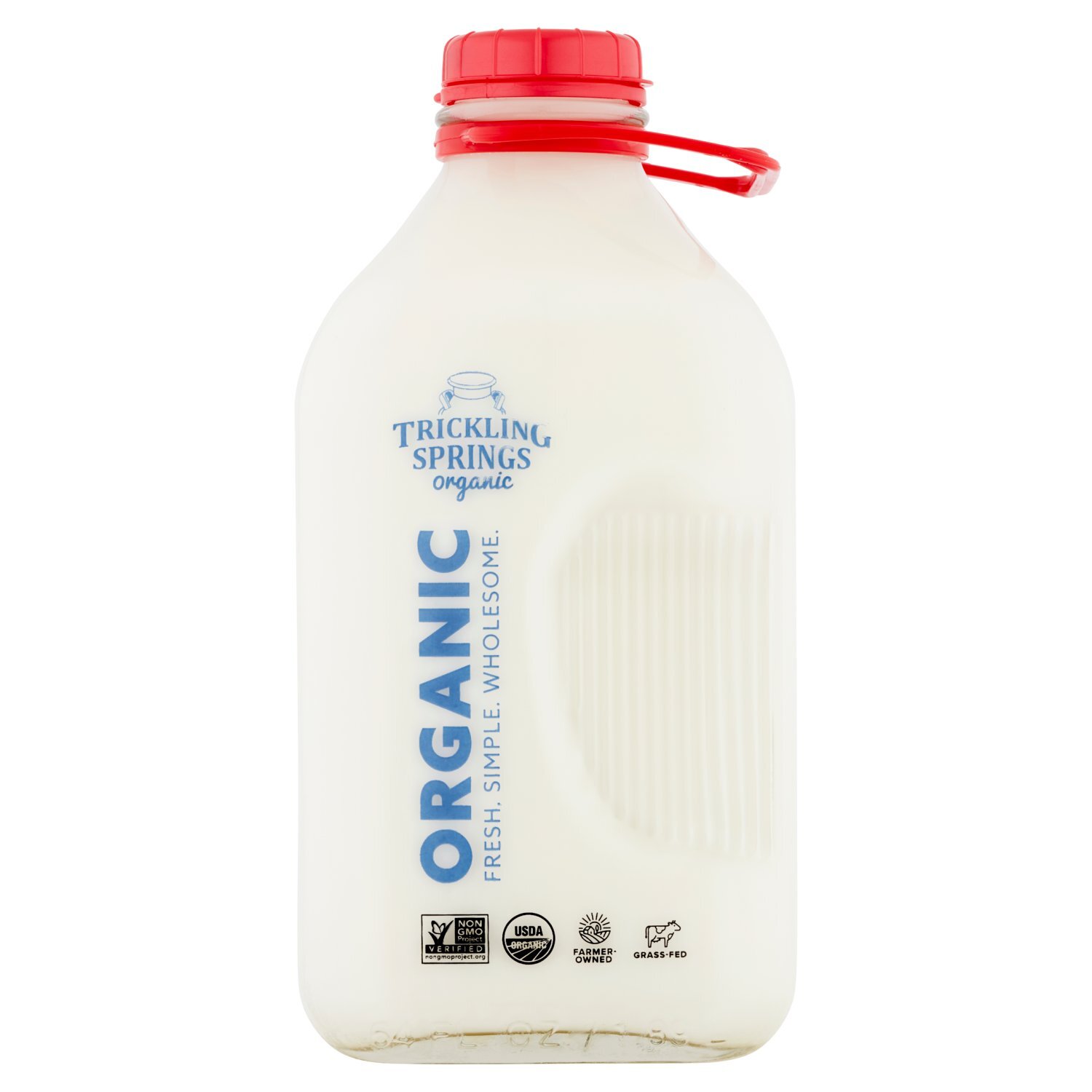
At a glance
Summary
Whole milk is a minimally processed product that retains its natural nutritional profile, providing essential nutrients such as calcium, vitamin D, and protein. The pasteurization process ensures safety by eliminating harmful bacteria, while homogenization improves texture and consistency. Its simple ingredient list and lack of additives contribute to its high rating.
Key ingredients 1
Pasteurised Standardised Homogenised Whole MilkGood
Whole milk is a natural source of essential nutrients such as calcium, vitamin D, and protein, which are beneficial for bone health and muscle maintenance. The pasteurisation process ensures the milk is free from harmful bacteria, enhancing its safety for consumption. Homogenisation improves the texture and consistency of the milk, making it more palatable and easier to use in various culinary applications.
Benefits
Whole milk provides a rich source of calcium and vitamin D, supporting bone health and reducing the risk of osteoporosis. It also contains high-quality protein essential for muscle repair and growth.
Processing
Unprocessed or Minimally Processed Foods
Get the full breakdown in the Scout appTake Scout shopping
Scan any product to see lab results, healthy alternatives, and your personalized analysis.
Download on theApp Store GET IT ONGoogle Play