
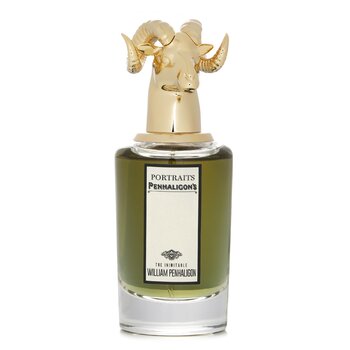


Penhaligon's The Inimitable William Penhaligon Eau de Parfum at Nordstrom, Size 2.5 Oz
Analysis updated August 2026 · How Scout scores
At a glance
Summary
This fragrance product contains a blend of natural ingredients such as bergamot, jasmine, and sandalwood, which are generally considered safe and non-irritating. The absence of harsh chemicals or synthetic additives typically found in lower-quality perfumes contributes to its favorable rating. Despite being classified as ultra-processed due to its formulation process, the use of high-quality, recognizable ingredients supports a higher score within the category.
Key ingredients 14
VanillaGood
Beneficial ingredient — whole-food or functional value in this product class.
Risks
May cause skin irritation or allergic reactions.
Benefits
Provides a sweet, comforting fragrance that is popular in many scent compositions.
BergamotNeutral
Bergamot is a citrus fruit extract commonly used for its fragrance. It can cause photosensitivity when applied to the skin. However, it is generally safe in perfumes when used in moderation.
Risks
May cause skin irritation or photosensitivity in some individuals.
Benefits
Provides a fresh, citrusy scent that is appealing in perfumes.
JasmineNeutral
Jasmine is a floral extract used for its aromatic properties. It is generally considered safe in cosmetic formulations. However, it can cause allergic reactions in sensitive individuals.
Risks
Potential allergen for sensitive skin types.
Benefits
Offers a rich, floral fragrance that is highly valued in perfumery.
CedarNeutral
Cedar is used for its woody scent in perfumes. It is generally non-irritating and safe for use in cosmetics. However, it may cause allergic reactions in some people.
Risks
Possible allergen for some individuals.
Benefits
Provides a warm, woody aroma that enhances fragrance complexity.
VetiverNeutral
Vetiver is a grass extract used for its earthy scent. It is considered safe for use in perfumes and cosmetics. However, it may cause skin irritation in sensitive individuals.
Risks
May cause skin irritation or allergic reactions.
Benefits
Contributes a deep, earthy aroma that is valued in fragrance compositions.
IncenseNeutral
Incense is used for its aromatic properties in perfumes. It is generally safe but can cause irritation if inhaled in large quantities. In perfumes, it is used in small amounts, minimizing risk.
Risks
Potential respiratory irritant if inhaled in large amounts.
Benefits
Adds a warm, spicy note to fragrances, enhancing their depth.
SandalwoodNeutral
Sandalwood is a fragrant wood used for its warm, creamy scent. It is generally safe in perfumes but can cause allergic reactions in some individuals. It is highly valued for its calming aroma.
Risks
Possible allergen for sensitive skin.
Benefits
Provides a soothing, woody fragrance that is popular in perfumery.
AmbroxanNeutral
Ambroxan is a synthetic compound used to enhance fragrance longevity. It is generally considered safe in perfumes. However, it may cause skin irritation in sensitive individuals.
Risks
May cause skin irritation or allergic reactions.
Benefits
Enhances the longevity and depth of fragrances.
OudNeutral
Oud is a resinous wood extract known for its rich, complex scent. It is safe for use in perfumes but can be an allergen for some people. It is highly prized for its unique aroma.
Risks
Potential allergen for some individuals.
Benefits
Offers a luxurious, deep fragrance that is highly sought after in perfumery.
PatchouliNeutral
Patchouli is a plant extract used for its earthy, musky scent. It is generally safe in perfumes but can cause allergic reactions in sensitive individuals. It is valued for its grounding aroma.
Risks
May cause skin irritation or allergic reactions.
Benefits
Provides a distinctive, earthy fragrance that enhances scent profiles.
CoconutNeutral
Coconut is used for its sweet, tropical scent in perfumes. It is generally safe but can cause allergic reactions in some individuals. It adds a creamy, exotic note to fragrances.
Risks
Potential allergen for some individuals.
Benefits
Contributes a sweet, tropical aroma that is appealing in perfumes.
NeroliNeutral
Neroli is a citrus blossom extract used for its fresh, floral scent. It is generally safe in perfumes but can cause allergic reactions in some individuals. It is valued for its uplifting aroma.
Risks
Potential allergen for sensitive skin.
Benefits
Offers a fresh, floral fragrance that is uplifting and refreshing.
RoseNeutral
Rose is a floral extract used for its classic, romantic scent. It is generally safe in perfumes but can cause allergic reactions in sensitive individuals. It is cherished for its timeless, elegant aroma.
Risks
May cause skin irritation or allergic reactions.
Benefits
Provides a classic, romantic fragrance that is highly valued in perfumery.
AmberNeutral
Amber is used for its warm, resinous scent in perfumes. It is generally safe but can cause allergic reactions in some individuals. It adds depth and warmth to fragrance compositions.
Risks
Potential allergen for some individuals.
Benefits
Contributes a warm, resinous aroma that enhances fragrance complexity.
Processing
Processed Foods
Get the full breakdown in the Scout appTake Scout shopping
Scan any product to see lab results, healthy alternatives, and your personalized analysis.
Download on theApp Store GET IT ONGoogle Play