
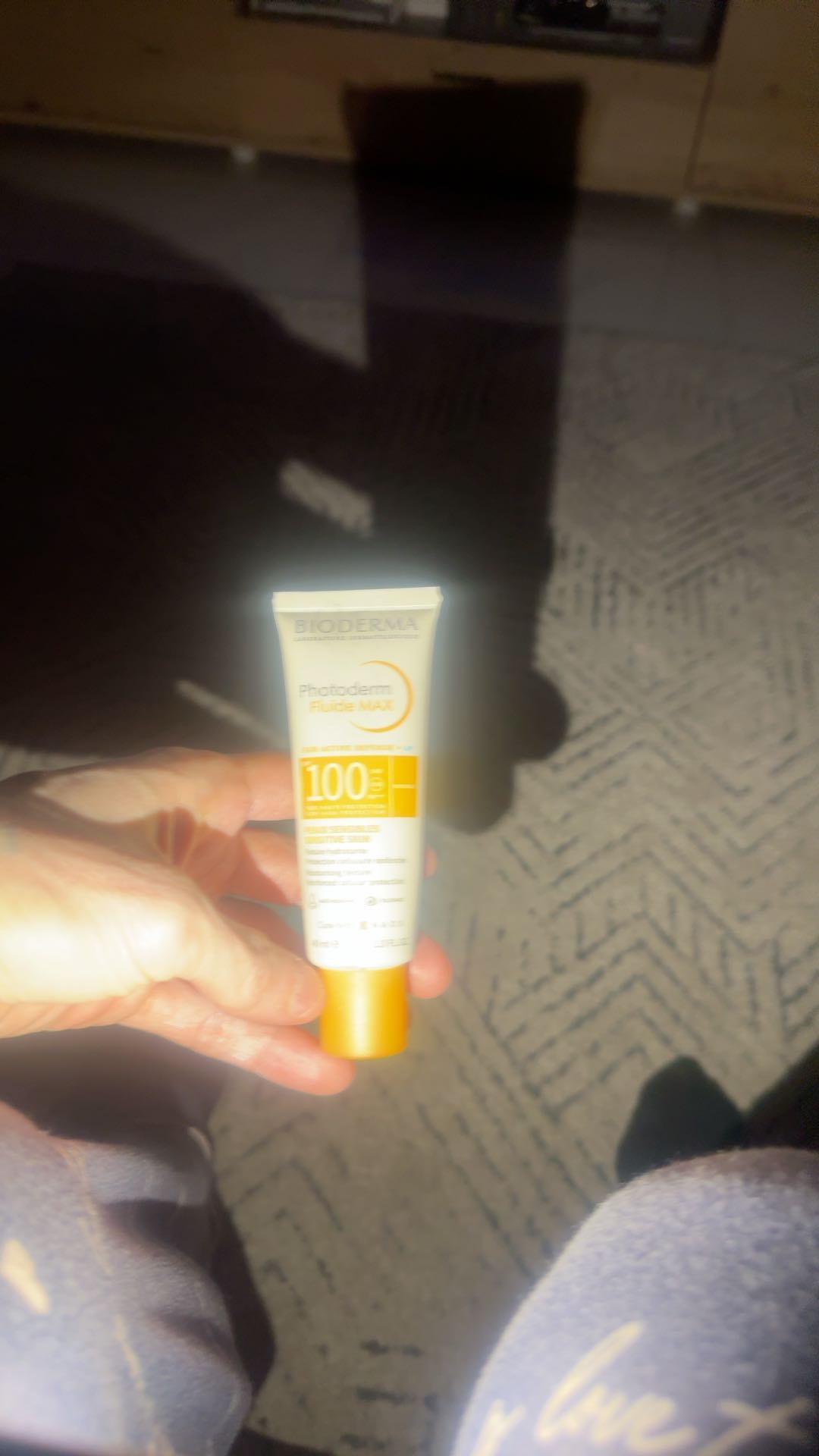


2x Bioderma Photoderm Max Lait Spf50+ 100ml Sunscreen Milk
Summary
This sunscreen contains several synthetic UV filters such as octocrylene and homosalate, which are associated with potential endocrine disruption. While it includes some beneficial ingredients like tocopherol, the presence of these synthetic chemicals and the overall processing level reduce its score. The product lacks natural oils and butters that would enhance its safety profile.
At a glance
Key ingredients 16
Aqua
Aqua is commonly used as a solvent in cosmetic formulations. It helps dissolve other ingredients and provides a base for the product. It is generally considered safe and non-irritating.
Risks
There are no significant risks associated with Aqua.
Benefits
Aqua helps in hydrating the skin and acts as a carrier for other beneficial ingredients.
Dicaprylyl Carbonate
Dicaprylyl Carbonate is an emollient that helps to soften and smooth the skin. It is derived from coconut oil and is known for its lightweight texture. It is generally well-tolerated by most skin types.
Risks
There are minimal risks associated with Dicaprylyl Carbonate, though it may cause mild irritation in very sensitive skin.
Benefits
It provides a silky feel to the skin and enhances the spreadability of the product.
Octocrylene
Octocrylene is a chemical sunscreen agent that absorbs UVB and short UVA rays. It stabilizes other sunscreen ingredients and provides water resistance. However, it can cause skin irritation in sensitive individuals.
Risks
Potential risks include skin irritation and allergic reactions, especially in sensitive skin.
Benefits
It effectively protects the skin from UV radiation and enhances the stability of other sunscreen agents.
Methylene Bis-Benzotriazolyl Tetramethylbutylphenol
This ingredient is a broad-spectrum UV filter that protects against both UVA and UVB rays. It is photostable and does not degrade upon sun exposure. It is generally considered safe for use in sunscreens.
Risks
There are minimal risks, though it may cause mild irritation in sensitive skin.
Benefits
It provides effective and long-lasting sun protection.
Uvinul A Plus
Uvinul A Plus is a UVA filter that provides protection against long-wave UVA rays. It is photostable and does not degrade in sunlight. It is considered safe for use in sunscreens.
Risks
There are minimal risks associated with Uvinul A Plus.
Benefits
It offers reliable protection against UVA-induced skin damage.
Homosalate
Homosalate is a chemical sunscreen agent that absorbs UVB rays. It is commonly used in sunscreens to prevent sunburn. However, it is considered a harmful UV filter due to potential hormone disruption.
Risks
Potential risks include hormone disruption and skin irritation.
Benefits
It provides UVB protection, reducing the risk of sunburn.
Tinosorb S
Tinosorb S is a broad-spectrum UV filter that protects against both UVA and UVB rays. It is highly photostable and enhances the photostability of other sunscreen agents. It is considered safe and effective.
Risks
There are minimal risks associated with Tinosorb S.
Benefits
It provides comprehensive sun protection and enhances the effectiveness of other UV filters.
Octisalate
Octisalate is used to stabilize sunscreen formulations and increase water resistance. It absorbs UVB rays and helps prevent sunburn. However, it can cause skin irritation in some individuals.
Risks
Potential risks include skin irritation and allergic reactions.
Benefits
It enhances the water resistance of sunscreens and provides UVB protection.
Uvinul T 150
Uvinul T 150 is a UVB filter that provides effective protection against sunburn. It is photostable and does not degrade in sunlight. It is considered safe for use in sunscreens.
Risks
There are minimal risks associated with Uvinul T 150.
Benefits
It offers reliable UVB protection and enhances the stability of sunscreen formulations.
1, 2-Hexanediol
1, 2-Hexanediol is a humectant and preservative that helps retain moisture in the skin. It also enhances the antimicrobial properties of formulations. It is generally considered safe for use in cosmetics.
Risks
There are minimal risks, though it may cause mild irritation in sensitive skin.
Benefits
It helps maintain skin hydration and prolongs the shelf life of the product.
Caprylic/Capric Triglyceride
Caprylic/Capric Triglyceride is an emollient derived from coconut oil and glycerin. It helps to moisturize and condition the skin. It is lightweight and non-greasy, making it suitable for all skin types.
Risks
There are minimal risks associated with this ingredient.
Benefits
It provides skin conditioning and enhances the texture of the product.
Caprylyl Glycol
Caprylyl Glycol is a skin-conditioning agent that also acts as a preservative. It helps to improve the texture and feel of the product. It is generally well-tolerated by most skin types.
Risks
There are minimal risks, though it may cause mild irritation in sensitive skin.
Benefits
It provides moisturizing benefits and enhances the antimicrobial properties of the formulation.
Citric Acid
Citric Acid is used to adjust the pH of cosmetic formulations. It also acts as an antioxidant and helps to exfoliate the skin. It is generally considered safe for use in cosmetics.
Risks
Potential risks include skin irritation, especially in sensitive skin.
Benefits
It helps maintain the stability of the product and provides mild exfoliation.
Sodium Citrate
Sodium Citrate is used as a buffering agent to maintain the pH balance of formulations. It also acts as a chelating agent, binding metal ions to prevent product degradation. It is generally considered safe for use in cosmetics.
Risks
There are minimal risks associated with Sodium Citrate.
Benefits
It helps stabilize the product and maintain its efficacy.
Sodium Hydroxide
Sodium Hydroxide is used to adjust the pH of cosmetic formulations. It is a strong base and must be used in low concentrations to avoid irritation. It is generally considered safe when used appropriately.
Risks
Potential risks include skin irritation and chemical burns if used in high concentrations.
Benefits
It helps maintain the desired pH level of the product.
Tocopherol
Tocopherol, also known as Vitamin E, is an antioxidant that helps protect the skin from free radical damage. It also provides moisturizing benefits and enhances the stability of formulations. It is considered safe and beneficial for the skin.
Risks
There are minimal risks associated with Tocopherol.
Benefits
It provides antioxidant protection and helps maintain skin health.
Processing
Ultra-Processed Foods
Get the full breakdown in the Scout app
Scan any product to see lab results, healthy alternatives, and your personalized analysis.
Download on theApp Store