


At a glance
Summary
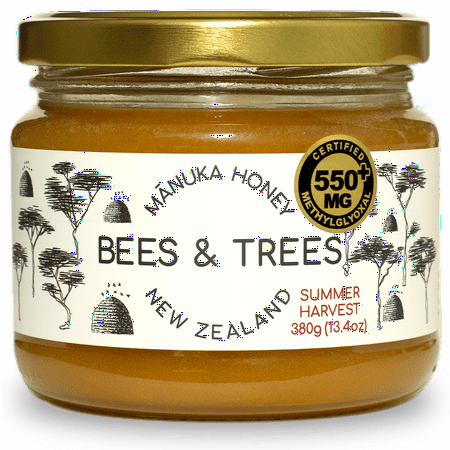
This product consists of a variety of minimally processed honeys, each retaining its natural enzymes and nutrients. The diverse range of floral sources contributes to a rich nutrient profile and potential health benefits, such as antioxidant properties. The absence of additives and the natural processing level enhance its quality, making it a highly rated product in its category.
Key ingredients 16
Meadow honeyVery Good
Meadow honey is a natural sweetener with potential antioxidant properties. It is minimally processed, retaining its natural enzymes and nutrients. This type of honey is often valued for its diverse floral sources.
Risks
Excessive consumption may contribute to high sugar intake.
Benefits
Contains antioxidants and enzymes that may support overall health.
Creamy honey with linden and cornflowerVery Good
This honey blend combines the benefits of linden and cornflower, known for soothing properties. It is minimally processed, preserving its natural qualities. The creamy texture is achieved without additives.
Risks
High sugar content may pose a risk if consumed in large quantities.
Benefits
May have calming effects and support respiratory health.
Nectar-honeydew honeyVery Good
Nectar-honeydew honey is rich in minerals and antioxidants. It is collected from both floral nectar and tree secretions, offering a unique nutrient profile. This honey is minimally processed, maintaining its natural benefits.
Risks
Potential for high sugar intake if consumed excessively.
Benefits
Rich in minerals and antioxidants that support immune health.
Spring willow honeyVery Good
Spring willow honey is known for its mild flavor and potential health benefits. It is minimally processed, preserving its natural enzymes and nutrients. This honey is often used for its soothing properties.
Risks
May contribute to high sugar levels if overconsumed.
Benefits
Contains natural enzymes and nutrients that may support health.
Acacia honeyVery Good
Acacia honey is a light, mild honey with a high fructose content. It is minimally processed, retaining its natural enzymes and nutrients. Known for its slow crystallization, it is often used as a natural sweetener.
Risks
High sugar content can be a concern if consumed in excess.
Benefits
May help regulate blood sugar levels due to its high fructose content.
Linden honeyVery Good
Linden honey is valued for its potential calming and anti-inflammatory properties. It is minimally processed, preserving its natural enzymes and nutrients. Often used in herbal remedies, it is a popular choice for soothing purposes.
Risks
Excessive consumption may lead to high sugar intake.
Benefits
May have calming effects and support respiratory health.
Buckwheat honeyVery Good
Buckwheat honey is rich in antioxidants and has a strong, distinct flavor. It is minimally processed, retaining its natural enzymes and nutrients. Known for its dark color, it is often used for its health benefits.
Risks
High sugar content may pose a risk if consumed in large quantities.
Benefits
Rich in antioxidants that may support immune health.
Multifloral honeyVery Good
Multifloral honey is derived from various floral sources, offering a diverse nutrient profile. It is minimally processed, preserving its natural enzymes and nutrients. This honey is often appreciated for its complex flavor.
Risks
Potential for high sugar intake if consumed excessively.
Benefits
Contains a variety of nutrients and antioxidants from different floral sources.
Phacelia honeyVery Good
Phacelia honey is known for its light color and mild flavor. It is minimally processed, retaining its natural enzymes and nutrients. Often used as a natural sweetener, it is appreciated for its unique taste.
Risks
High sugar content can be a concern if consumed in excess.
Benefits
May provide natural enzymes and nutrients that support health.
Honeydew honeyVery Good
Honeydew honey is rich in minerals and has a unique, robust flavor. It is minimally processed, preserving its natural enzymes and nutrients. Known for its dark color, it is often used for its health benefits.
Risks
Excessive consumption may lead to high sugar intake.
Benefits
Rich in minerals and antioxidants that may support immune health.
Rapeseed honeyVery Good
Rapeseed honey is known for its creamy texture and mild flavor. It is minimally processed, retaining its natural enzymes and nutrients. Often used as a natural sweetener, it is appreciated for its smooth consistency.
Risks
High sugar content may pose a risk if consumed in large quantities.
Benefits
May provide natural enzymes and nutrients that support health.
Heather honeyVery Good
Heather honey is rich in antioxidants and has a strong, distinct flavor. It is minimally processed, retaining its natural enzymes and nutrients. Known for its dark color, it is often used for its health benefits.
Risks
Potential for high sugar intake if consumed excessively.
Benefits
Rich in antioxidants that may support immune health.
Coniferous honeydew honeyVery Good
Coniferous honeydew honey is rich in minerals and has a unique, robust flavor. It is minimally processed, preserving its natural enzymes and nutrients. Known for its dark color, it is often used for its health benefits.
Risks
Excessive consumption may lead to high sugar intake.
Benefits
Rich in minerals and antioxidants that may support immune health.
Melilot honeyVery Good
Melilot honey is known for its mild flavor and potential health benefits. It is minimally processed, retaining its natural enzymes and nutrients. Often used for its soothing properties, it is a popular choice for natural remedies.
Risks
High sugar content can be a concern if consumed in excess.
Benefits
May have calming effects and support respiratory health.
Creamy multifloral honeyVery Good
Creamy multifloral honey combines the benefits of various floral sources with a smooth texture. It is minimally processed, preserving its natural enzymes and nutrients. This honey is appreciated for its complex flavor and creamy consistency.
Risks
Potential for high sugar intake if consumed excessively.
Benefits
Contains a variety of nutrients and antioxidants from different floral sources.
Dandelion honeyVery Good
Dandelion honey is known for its distinct flavor and potential health benefits. It is minimally processed, retaining its natural enzymes and nutrients. Often used as a natural sweetener, it is appreciated for its unique taste.
Risks
High sugar content may pose a risk if consumed in large quantities.
Benefits
May provide natural enzymes and nutrients that support health.
Processing
Unprocessed or Minimally Processed Foods
Get the full breakdown in the Scout appTake Scout shopping
Scan any product to see lab results, healthy alternatives, and your personalized analysis.
Download on theApp Store GET IT ONGoogle Play