
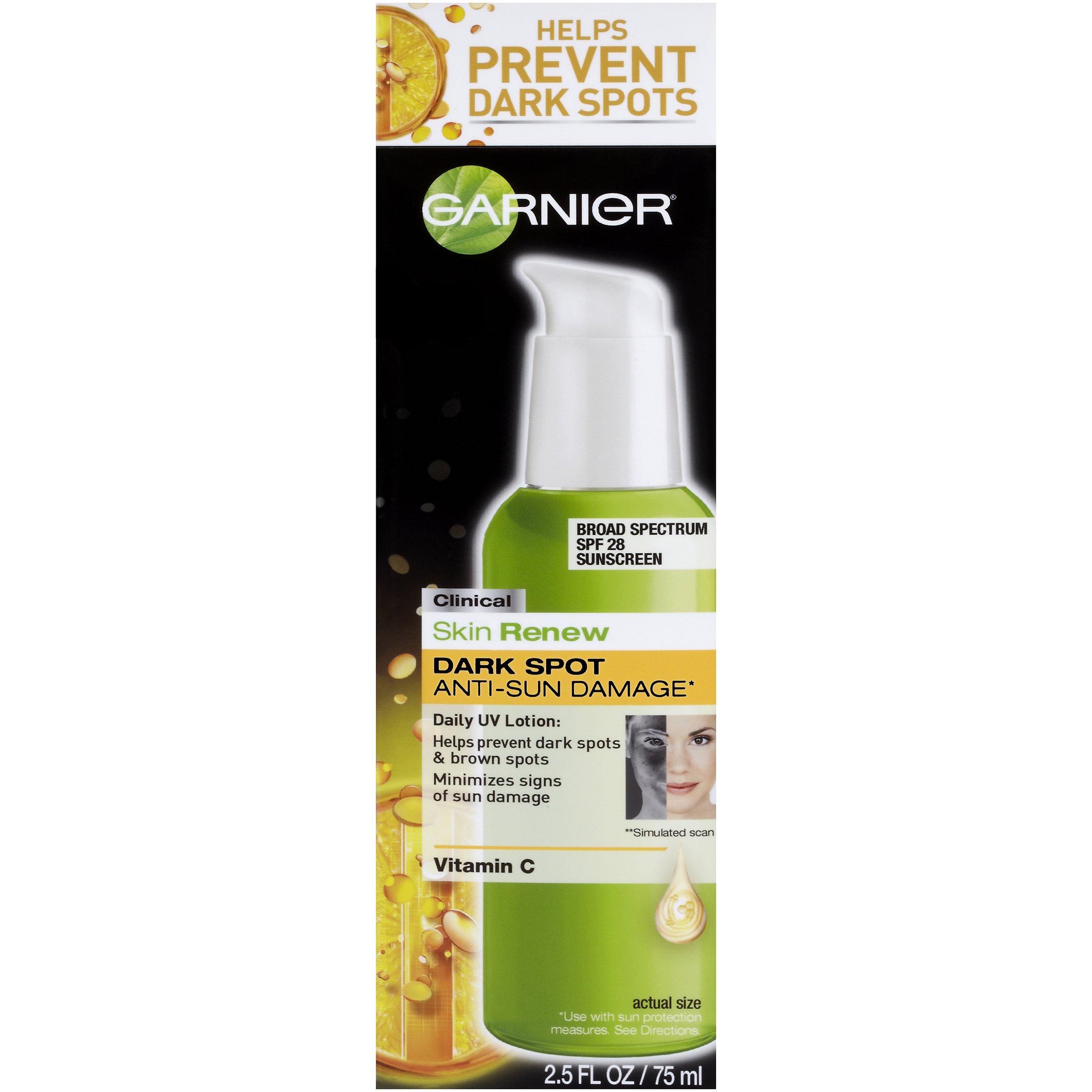


Garnier Skin Renew Anti-Sun Damage Lotion?, 2.5 Oz
Summary
This product contains some synthetic ingredients that may raise concerns, such as potential skin irritants or preservatives. While it includes beneficial components like skin actives, the presence of synthetic fragrance and other processed elements affects its overall safety profile. The processing level indicates a moderate degree of formulation complexity, which impacts the score.
At a glance
Key ingredients 12
Avobenzone
Avobenzone is a chemical sunscreen agent that absorbs the full spectrum of UVA rays. It is commonly used in sun protection products due to its effectiveness. However, it can degrade in sunlight, reducing its efficacy over time.
Risks
There are concerns about its stability and potential for skin irritation.
Benefits
It provides broad-spectrum UVA protection, which is crucial for preventing sun damage.
Homosalate
Homosalate is a chemical sunscreen agent that helps protect the skin from UVB rays. It is often used in combination with other sunscreen agents to enhance UV protection. However, it is considered a potential endocrine disruptor.
Risks
There are concerns about its potential to disrupt hormones and its environmental impact.
Benefits
It helps prevent sunburn by absorbing UVB radiation.
Octisalate
Octisalate is used to stabilize sunscreen formulations and increase water resistance. It absorbs UVB rays, providing additional sun protection. Despite its benefits, it can cause skin irritation in sensitive individuals.
Risks
Potential skin irritation and allergic reactions in some users.
Benefits
It enhances the effectiveness of other sunscreen agents and provides UVB protection.
Octocrylene
Octocrylene is a chemical compound used in sunscreens to absorb UVB and short-wave UVA rays. It also helps stabilize other sunscreen ingredients. However, it can cause skin irritation and has been linked to potential environmental concerns.
Risks
May cause skin irritation and has potential environmental toxicity.
Benefits
It provides effective UV protection and stabilizes other sunscreen agents.
Water
Water is a common solvent used in cosmetic formulations to dissolve other ingredients. It acts as a base for the product, ensuring even distribution of active ingredients. It is generally considered safe and non-irritating.
Benefits
It hydrates the skin and helps in the even application of the product.
Isononyl Isononanoate
Isononyl Isononanoate is an emollient that helps to soften and smooth the skin. It is used to improve the texture and spreadability of cosmetic products. It is generally considered safe for use in cosmetics.
Risks
Rarely, it may cause mild skin irritation in sensitive individuals.
Benefits
It enhances skin feel and improves product application.
Glycerin
Glycerin is a humectant that attracts moisture to the skin, helping to maintain hydration. It is widely used in skincare products for its moisturizing properties. It is considered safe and beneficial for most skin types.
Risks
Generally safe, but excessive use can lead to a sticky feeling on the skin.
Benefits
It effectively hydrates the skin and improves skin barrier function.
Cyclohexasiloxane
Cyclohexasiloxane is a silicone-based compound used to improve the texture and spreadability of products. It provides a silky, smooth feel and helps to temporarily fill in fine lines. It is generally considered safe for use in cosmetics.
Risks
Concerns about bioaccumulation and environmental impact exist.
Benefits
It enhances product application and provides a smooth finish.
Propylene Glycol
Propylene Glycol is a humectant and solvent used to improve the texture and moisture content of products. It helps active ingredients penetrate the skin more effectively. It is generally recognized as safe, but can cause irritation in sensitive individuals.
Risks
Potential for skin irritation and allergic reactions in some users.
Benefits
It enhances skin hydration and improves product absorption.
Ethylhexyl Palmitate
Ethylhexyl Palmitate is an emollient that helps to soften and smooth the skin. It is used to improve the texture and spreadability of cosmetic products. It is generally considered safe for use in cosmetics.
Risks
May cause mild skin irritation in sensitive individuals.
Benefits
It enhances skin feel and improves product application.
Poly C10-30 Alkyl Acrylate
Poly C10-30 Alkyl Acrylate is a thickening agent used to stabilize and improve the texture of cosmetic formulations. It helps to create a smooth, even application. It is generally considered safe for use in cosmetics.
Risks
Rarely, it may cause mild skin irritation.
Benefits
It improves product consistency and application.
Butylene Glycol
Butylene Glycol is a humectant that helps to retain moisture in the skin. It is used to improve the texture and spreadability of products. It is generally considered safe and effective for most skin types.
Risks
Potential for skin irritation in sensitive individuals.
Benefits
It enhances skin hydration and improves product application.
Processing
Processed Foods
Get the full breakdown in the Scout app
Scan any product to see lab results, healthy alternatives, and your personalized analysis.
Download on theApp Store