


At a glance
Summary
This sushi product contains a variety of high-quality ingredients such as tuna, nori, and avocado, which are rich in essential nutrients and healthy fats. The use of minimally processed components like seaweed and vegetables contributes to its nutritional value. However, the presence of processed elements like rice vinegar and sriracha, along with the overall processing level, limits the score despite the clean ingredient list.
Key ingredients 15
TunaVery Good
Tuna is a high-quality protein source rich in omega-3 fatty acids. It provides essential nutrients like vitamin D and selenium. Its nutrient profile supports heart and brain health.
Risks
Potential mercury content may be a concern if consumed in large quantities.
Benefits
Rich in omega-3 fatty acids and high-quality protein, supporting heart and brain health.
Raw salmonVery Good
Raw salmon is a high-quality protein source rich in omega-3 fatty acids. It provides essential nutrients like vitamin D and selenium. Its nutrient profile supports heart and brain health.
Risks
Potential risk of parasites if not properly handled or sourced.
Benefits
Rich in omega-3 fatty acids and high-quality protein, supporting heart and brain health.
AvocadoVery Good
Avocado is a nutrient-dense fruit rich in healthy fats and fiber. It provides vitamins E, K, and B6, supporting heart and skin health. Its creamy texture and nutrient profile make it a beneficial addition to diets.
Benefits
Rich in monounsaturated fats and fiber, supporting heart health and digestion.
NoriGood
Nori is a type of seaweed rich in vitamins and minerals, including iodine and vitamin B12. It is minimally processed and provides essential nutrients. Its nutrient density makes it a beneficial addition to diets.
Risks
Excessive consumption may lead to excessive iodine intake.
Benefits
Rich in iodine, vitamin B12, and other trace minerals essential for health.
MisoGood
Miso is a fermented soybean paste that provides probiotics beneficial for gut health. It is a traditional ingredient with a rich umami flavor. Fermentation enhances its nutritional profile by increasing bioavailability of nutrients.
Risks
Contains sodium, which may be a concern for those on a low-sodium diet.
Benefits
Provides probiotics that support gut health and enhance nutrient absorption.
Sesame OilGood
Sesame oil is a source of healthy fats and antioxidants. It is often used in small amounts for flavoring. Contains lignans and vitamin E, which have antioxidant properties.
Risks
High in omega-6 fatty acids, which may promote inflammation if consumed in excess.
Benefits
Rich in antioxidants and healthy fats that support heart health.
WakameGood
Wakame is a seaweed rich in vitamins, minerals, and antioxidants. It is minimally processed and provides essential nutrients like iodine and calcium. Its nutrient density supports overall health.
Risks
May contribute to excessive iodine intake if consumed in large quantities.
Benefits
Provides essential nutrients and antioxidants that support health.
Bonito FlakesGood
Bonito flakes are dried fish flakes rich in umami flavor and protein. They are minimally processed and provide essential amino acids. Their use enhances flavor without adding significant calories.
Benefits
Rich in protein and essential amino acids, enhancing flavor and nutritional value.
CucumberGood
Cucumber is a low-calorie vegetable high in water content and fiber. It is minimally processed and provides hydration and nutrients. Its crisp texture and mild flavor enhance dishes.
Benefits
Provides hydration and fiber, supporting digestive health.
Green onionGood
Green onion is a low-calorie vegetable that adds flavor and nutrients. It is minimally processed and provides vitamins A and C. Its use enhances flavor and nutritional value.
Benefits
Rich in vitamins A and C, supporting immune health and flavor enhancement.
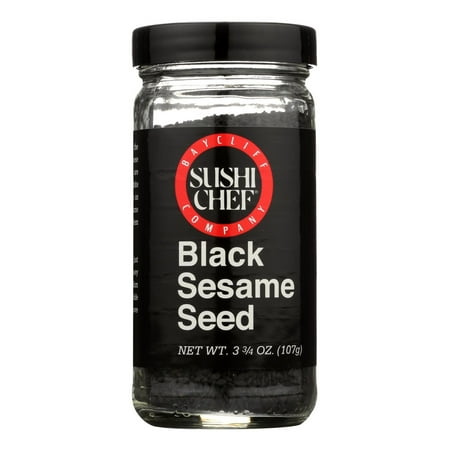
White sesame seedsGood
White sesame seeds are a source of healthy fats, protein, and minerals. They are minimally processed and provide nutrients like calcium and magnesium. Their nutrient density supports bone health.
Risks
May cause allergic reactions in sensitive individuals.
Benefits
Rich in healthy fats, protein, and minerals, supporting bone health.
RiceNeutral
Rice is a staple carbohydrate source providing energy. It is minimally processed and typically free from additives. However, it lacks significant nutritional diversity compared to whole grains.
Risks
Excessive consumption may contribute to high glycemic load and blood sugar spikes.
Benefits
Provides a quick source of energy and is easily digestible.
Rice vinegarNeutral
Rice vinegar is used for flavoring and has minimal nutritional impact. It is a fermented product that can aid in digestion. However, it does not provide significant nutrients.
Benefits
May aid in digestion and enhance flavor without adding calories.
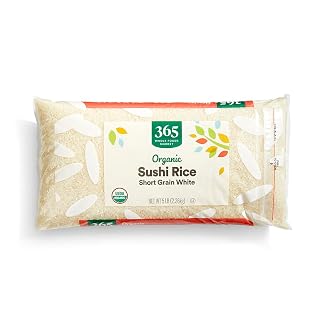
Short-grain riceNeutral
Short-grain rice is a carbohydrate source providing energy. It is similar to regular rice but with a different texture. It lacks significant nutritional diversity compared to whole grains.
Risks
May contribute to high glycemic load and blood sugar spikes if consumed in excess.
Benefits
Provides a quick source of energy and is easily digestible.
SrirachaNeutral
Sriracha is a spicy sauce used for flavoring. It contains chili peppers, vinegar, and garlic, providing a spicy kick. It is used in small amounts and does not significantly impact nutrition.
Risks
Contains sodium and sugar, which may be a concern if consumed in large quantities.
Benefits
Adds flavor and spice, enhancing the taste of dishes.
Processing
Processed Foods
Get the full breakdown in the Scout appTake Scout shopping
Scan any product to see lab results, healthy alternatives, and your personalized analysis.
Download on theApp Store GET IT ONGoogle PlayAmazon pricing & content
Amazon price as of . Product prices and availability are accurate as of the date/time indicated and are subject to change. Any price and availability information displayed on Amazon.com at the time of purchase will apply to the purchase of this product.
CERTAIN CONTENT THAT APPEARS ON THIS SITE COMES FROM AMAZON. THIS CONTENT IS PROVIDED “AS IS” AND IS SUBJECT TO CHANGE OR REMOVAL AT ANY TIME.