
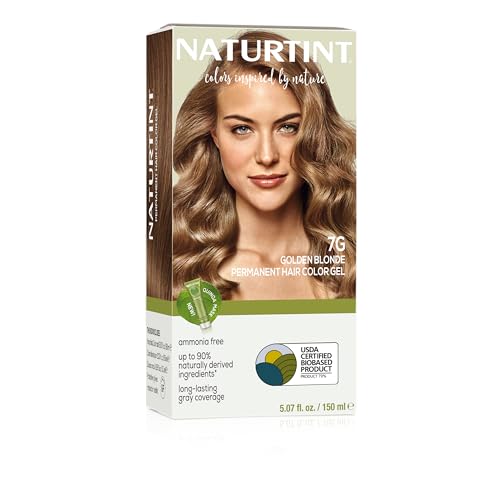


Naturtint 7G Golden Blonde Permanent Hair Color 1 Pack (Packaging May Vary)
Analysis updated June 2026 · How Scout scores
At a glance
Summary
This hair color product contains a mix of natural and synthetic ingredients. While it includes beneficial components like hydrolyzed proteins and meadowfoam oil, it also contains ethanolamine, which can be a skin irritant. The presence of processed ingredients and the potential for irritation from certain chemicals influence the overall rating.
Key ingredients 8
OLEIC ACIDVery Good
Oleic acid is a nourishing fatty acid that helps condition hair and scalp, promoting softness and shine.
See more about OLEIC ACID →HYDROLYZED OAT PROTEINVery Good
Hydrolyzed oat protein provides moisture and strengthens hair, making it more resilient and healthy-looking.
HYDROLYZED CORN PROTEINVery Good
Hydrolyzed corn protein helps improve hair elasticity and adds a protective layer, enhancing overall hair health.
See more about HYDROLYZED CORN PROTEIN →HYDROLYZED SOY PROTEINVery Good
Hydrolyzed soy protein nourishes and repairs hair, contributing to a smoother and shinier appearance.
See more about HYDROLYZED SOY PROTEIN →HYDROLYZED WHEAT PROTEINVery Good
Hydrolyzed wheat protein strengthens hair strands and improves manageability, supporting overall hair vitality.
See more about HYDROLYZED WHEAT PROTEIN →MEADOWFOAM (LIMNANTHES)Very Good
Meadowfoam seed oil is a natural emollient that deeply moisturizes hair and scalp, leaving hair soft and shiny.
PROPANEDIOLNeutral
Propanediol is a common solvent and moisturizer that helps improve the texture and application of hair products without adding significant benefits or risks.
See more about PROPANEDIOL →ETHANOLAMINEBad
Ethanolamine is used to adjust pH levels in hair dyes but can cause irritation or allergic reactions in sensitive individuals.
Processing
Processed Foods
Get the full breakdown in the Scout appTake Scout shopping
Scan any product to see lab results, healthy alternatives, and your personalized analysis.
Download on theApp Store GET IT ONGoogle PlayAmazon pricing & content
Amazon price as of . Product prices and availability are accurate as of the date/time indicated and are subject to change. Any price and availability information displayed on Amazon.com at the time of purchase will apply to the purchase of this product.
CERTAIN CONTENT THAT APPEARS ON THIS SITE COMES FROM AMAZON. THIS CONTENT IS PROVIDED “AS IS” AND IS SUBJECT TO CHANGE OR REMOVAL AT ANY TIME.