
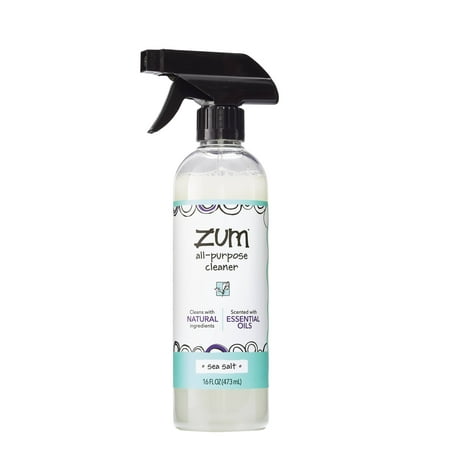

Zum All-Purpose Cleaner - Lavender
Analysis updated October 2026 · How Scout scores
At a glance
Summary
Zum All-Purpose Cleaner - Lavender is formulated with natural and biodegradable ingredients such as potassium cocoate, essential oils, and baking soda, which are gentle on surfaces and environmentally friendly. The use of essential oils for fragrance avoids synthetic chemicals, enhancing its safety for indoor use. The absence of harsh chemicals like SLS, SLES, or synthetic fragrances contributes to its high rating.
Key ingredients 6
Potassium cocoate (saponified 100% coconut oil)Good
Potassium cocoate is a soap derived from coconut oil, used as a natural surfactant. It is biodegradable and considered gentle on the skin compared to synthetic surfactants. It effectively cleans surfaces without harsh chemicals.
Risks
There are minimal risks, though it may cause mild irritation in sensitive individuals.
Benefits
It is plant-derived and biodegradable, making it an environmentally friendly cleaning agent.
Fragrance (essential oils)Good
Essential oils are natural compounds extracted from plants, used for fragrance. They provide a pleasant scent without synthetic chemicals. Essential oils can also have antimicrobial properties.
Risks
Some individuals may experience allergic reactions to certain essential oils.
Benefits
They offer a natural fragrance and can contribute to the antimicrobial efficacy of the cleaner.
Glycerin (vegetable glycerin)Good
Vegetable glycerin is a humectant that helps retain moisture. In cleaning products, it can help prevent surfaces from drying out. It is derived from plant oils and is biodegradable.
Risks
There are minimal risks associated with glycerin in cleaning products.
Benefits
It is safe, non-toxic, and helps maintain moisture balance on surfaces.
Sodium bicarbonate (baking soda)Good
Sodium bicarbonate is a mild abrasive and deodorizer. It is used in cleaning products for its ability to neutralize odors and gently scrub surfaces. It is non-toxic and environmentally friendly.
Risks
There are no significant risks associated with sodium bicarbonate in cleaning products.
Benefits
It is effective in odor control and provides gentle cleaning action without harsh chemicals.
WaterNeutral
Water is a universal solvent and is commonly used as a base in cleaning products. It helps dissolve other ingredients and facilitates the cleaning process. It is generally safe and non-toxic.
Risks
There are no significant risks associated with water in cleaning products.
Benefits
Water is essential for dissolving and distributing other cleaning agents effectively.
Alcohol denat.Neutral
Denatured alcohol is used as a solvent and disinfectant in cleaning products. It evaporates quickly, leaving surfaces clean and streak-free. It is effective in killing bacteria and viruses.
Risks
It can be drying to the skin and may cause irritation with prolonged exposure.
Benefits
It provides effective disinfection and quick drying, enhancing the cleaning process.
Get the full breakdown in the Scout appTake Scout shopping
Scan any product to see lab results, healthy alternatives, and your personalized analysis.
Download on theApp Store GET IT ONGoogle PlayAmazon pricing & content
Amazon price as of . Product prices and availability are accurate as of the date/time indicated and are subject to change. Any price and availability information displayed on Amazon.com at the time of purchase will apply to the purchase of this product.
CERTAIN CONTENT THAT APPEARS ON THIS SITE COMES FROM AMAZON. THIS CONTENT IS PROVIDED “AS IS” AND IS SUBJECT TO CHANGE OR REMOVAL AT ANY TIME.