
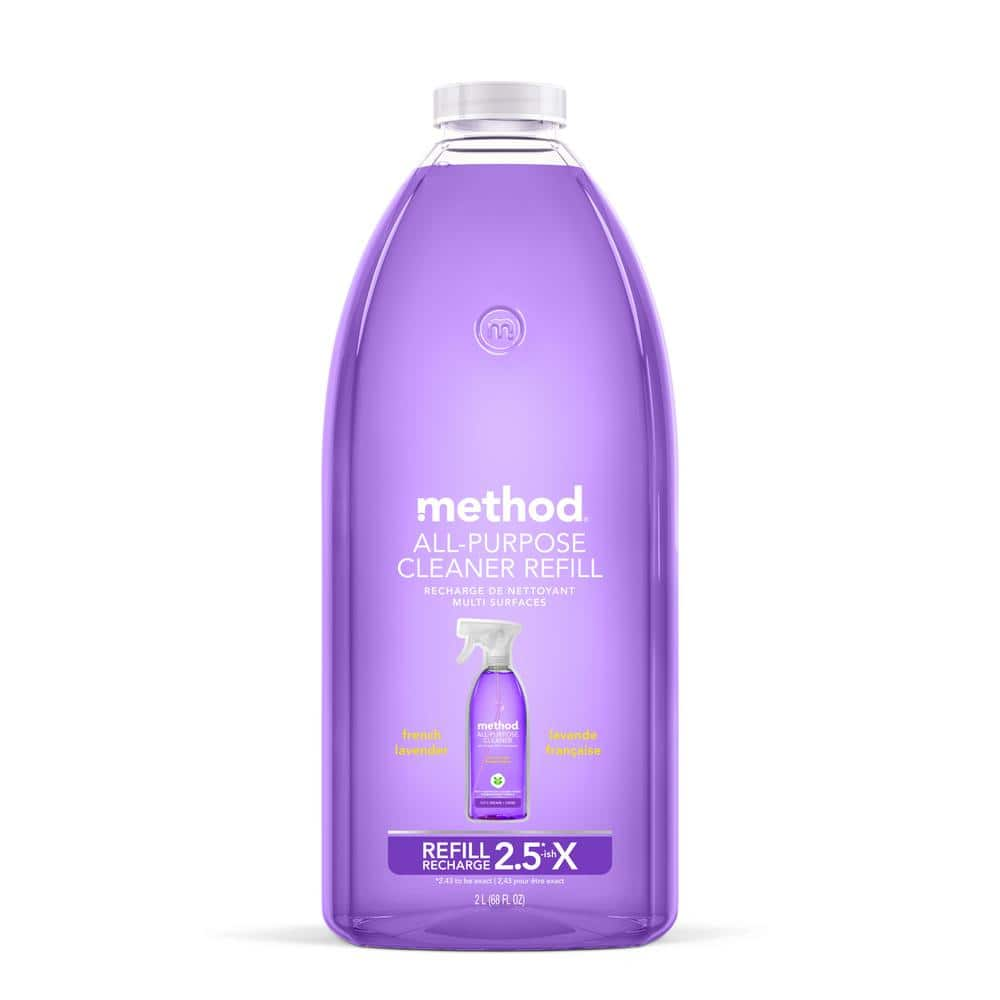



Method French Lavender All Purpose Surface Cleaner Refill - 68 fl oz
At a glance
Summary
This cleaner features plant-derived surfactants like decyl glucoside and lauryl glucoside, which are mild and biodegradable, contributing to its eco-friendly profile. However, the presence of synthetic fragrance, which can cause allergic reactions and may contain undisclosed chemicals, slightly detracts from its overall safety and environmental impact. The product is processed, which limits its maximum potential score.
Key ingredients 10
Decyl GlucosideGood
Decyl glucoside is a mild, plant-derived surfactant used for its gentle cleansing properties. It is biodegradable and considered safe for sensitive skin. It is favored for its eco-friendly profile.
Risks
There are minimal risks associated with decyl glucoside, though it may cause mild irritation in rare cases.
Benefits
It is effective in cleaning while being gentle on the skin and the environment.
Lauryl GlucosideGood
Lauryl glucoside is a non-ionic surfactant derived from natural sources like coconut oil and glucose. It is known for its mildness and is often used in formulations for sensitive skin. It is biodegradable and environmentally friendly.
Risks
It may cause mild irritation if used in high concentrations.
Benefits
Lauryl glucoside is effective in cleaning and foaming, making it a good choice for eco-conscious formulations.
Water (Aqua)Neutral
Water is a universal solvent and is used as a base in many cleaning products. It helps dissolve other ingredients and facilitates the cleaning process. It is generally safe and non-toxic.
Risks
There are no significant risks associated with water in cleaning products.
Benefits
Water is essential for dissolving and distributing cleaning agents effectively.
Sodium GluconateNeutral
Sodium gluconate is a chelating agent that helps to stabilize and enhance the performance of cleaning products. It is biodegradable and considered safe for use. It helps in preventing the degradation of other ingredients.
Risks
There are no significant risks associated with sodium gluconate in cleaning products.
Benefits
It improves the stability and effectiveness of cleaning formulations.
Sodium CarbonateNeutral
Sodium carbonate, also known as washing soda, is used to soften water and enhance the cleaning power of detergents. It is a common ingredient in household cleaning products. It is generally safe when used as directed.
Risks
It can cause skin and eye irritation if not handled properly.
Benefits
Sodium carbonate is effective in removing grease and stains.
Citric AcidNeutral
Common acidulant and preservative — safe at typical use levels, neither beneficial nor harmful.
Risks
In high concentrations, it may cause skin irritation.
Benefits
Citric acid is a natural and effective cleaner that is safe for the environment.
Potassium HydroxideNeutral
Potassium hydroxide is used as a pH adjuster and cleaning agent in various formulations. It is effective in breaking down organic materials. It must be used in controlled amounts to ensure safety.
Risks
It can be corrosive and cause burns if not handled properly.
Benefits
When used correctly, it enhances the cleaning power of formulations.
Polymeric RedNeutral
Polymeric red is a colorant used to give products a distinctive appearance. It is generally considered safe when used in regulated amounts. It does not contribute to the cleaning efficacy.
Risks
There are minimal risks, though some colorants may cause allergic reactions.
Benefits
It enhances the visual appeal of the product.
Polymeric BlueNeutral
Polymeric blue is a colorant used to provide a specific color to the product. It is typically safe when used in compliance with safety regulations. It does not affect the cleaning performance.
Risks
Some individuals may experience allergic reactions to certain colorants.
Benefits
It improves the aesthetic appeal of the product.
Fragrance (Parfum: Linalool)Bad
Fragrance, including linalool, is added to cleaning products to provide a pleasant scent. However, synthetic fragrances can cause allergic reactions and skin irritation. They may also contain undisclosed chemicals.
Risks
Fragrances can trigger allergies and respiratory issues in sensitive individuals.
Benefits
They provide a pleasant scent to cleaning products.
Processing
Processed Foods
Get the full breakdown in the Scout appTake Scout shopping
Scan any product to see lab results, healthy alternatives, and your personalized analysis.
Download on theApp Store GET IT ONGoogle Play