
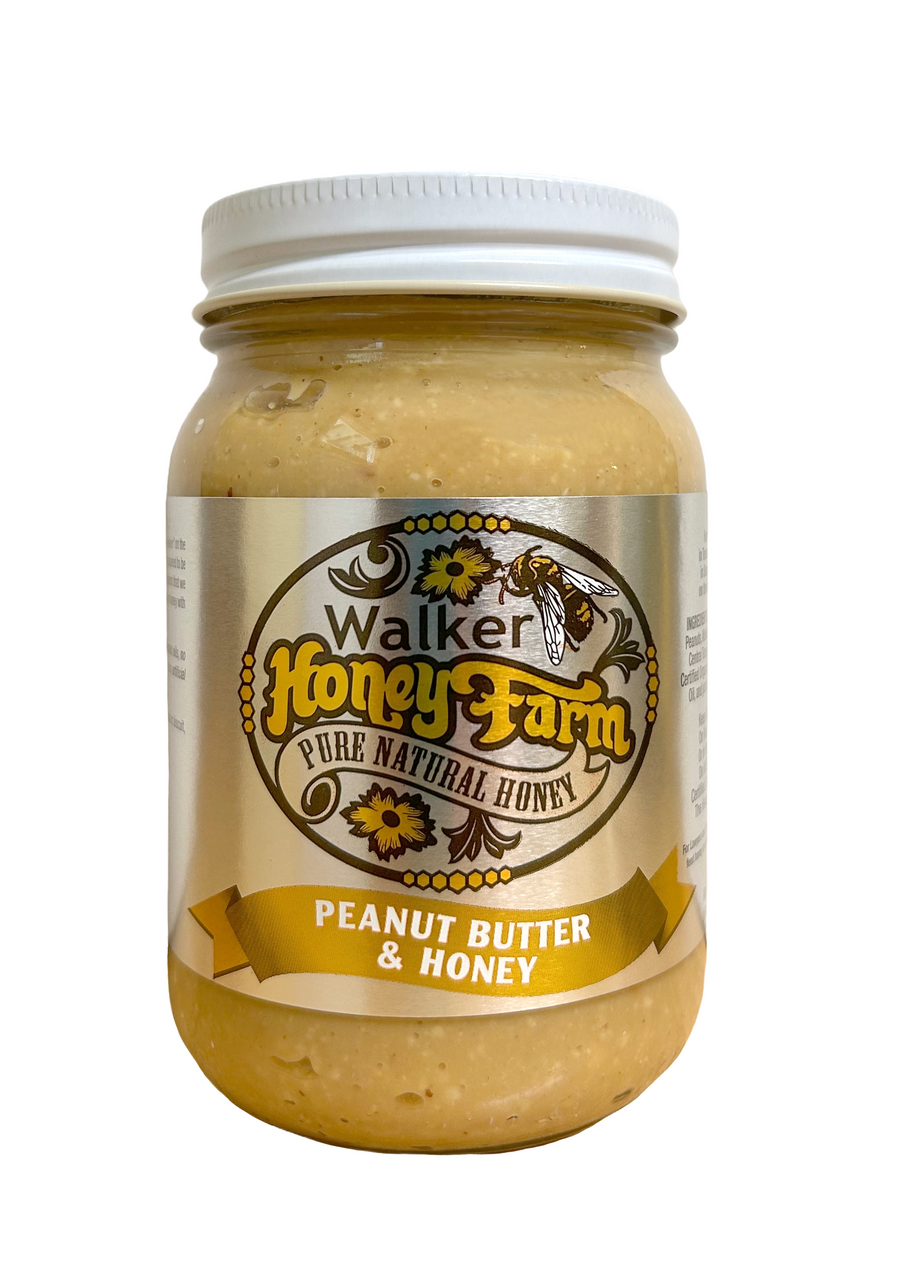


Peanut Butter N’Honey
Summary
This product is heavily processed, which significantly impacts its health rating. While it contains beneficial ingredients like whey protein isolate and peanut flour powder, the presence of additives such as natural flavors and sunflower lecithin raises concerns. The high level of processing and inclusion of these additives limit its overall healthiness despite its good protein content.
At a glance
Key ingredients 9
Whey Protein IsolateVery Good
Whey protein isolate is a high-quality protein source with a complete amino acid profile. It is derived from milk and undergoes processing to remove most fats and lactose, making it suitable for lactose-intolerant individuals. This protein is highly bioavailable and supports muscle growth and repair.
Benefits
Rich in essential amino acids, it supports muscle growth and recovery. It is also low in lactose, making it suitable for those with lactose intolerance.
Peanut Flour PowderGood
Peanut flour powder is a concentrated source of protein and fiber derived from peanuts. It is made by grinding roasted peanuts and removing most of the oil, resulting in a lower fat content. This ingredient provides a nutty flavor and can enhance the protein content of foods.
Risks
Potential allergen for individuals with peanut allergies.
Benefits
Provides protein and fiber, contributing to satiety and muscle maintenance. It is lower in fat compared to whole peanuts.
Natural FlavorsBad
Natural flavors are additives used to enhance taste, but their exact composition is often undisclosed. They can be derived from natural sources but may undergo significant processing. The lack of transparency can be concerning for consumers seeking to avoid certain additives.
Risks
Potential for undisclosed allergens or additives that some individuals may wish to avoid.
Gum BlendNeutral
Gum blend is used as a thickening and stabilizing agent in food products. It typically includes a combination of gums like guar gum, xanthan gum, and others. These gums are generally considered safe but can cause digestive issues in sensitive individuals.
Risks
May cause digestive discomfort or bloating in some individuals when consumed in large amounts.
Benefits
Helps improve texture and stability of food products without adding significant calories.
Gum AcaciaNeutral
Gum acacia is a natural gum used as a stabilizer and thickener in foods. It is derived from the sap of the acacia tree and is generally recognized as safe. It can aid in improving the texture of food products.
Risks
Excessive consumption may lead to digestive discomfort in some individuals.
Benefits
Provides dietary fiber and can help stabilize food products.
Guar GumNeutral
Guar gum is a thickening agent derived from guar beans. It is commonly used to improve the texture and consistency of food products. While generally safe, it can cause digestive issues in sensitive individuals.
Risks
May cause digestive discomfort or bloating in some individuals when consumed in large amounts.
Benefits
Helps improve texture and stability of food products without adding significant calories.
Xanthan GumNeutral
Xanthan gum is a polysaccharide used as a thickening and stabilizing agent in foods. It is produced through fermentation of sugars by the Xanthomonas campestris bacterium. While generally safe, it can cause digestive issues in sensitive individuals.
Risks
May cause digestive discomfort or bloating in some individuals when consumed in large amounts.
Benefits
Helps improve texture and stability of food products without adding significant calories.
Sunflower LecithinBad
Sunflower lecithin is an emulsifier used to blend ingredients that typically do not mix well. It is derived from sunflower seeds and involves processing that may include chemical solvents. While generally safe, it is a processed additive that some consumers prefer to avoid.
Risks
Potential for chemical residues from processing and may contribute to excessive intake of omega-6 fatty acids.
Benefits
Helps improve texture and consistency of food products.
Sodium ChlorideNeutral
Sodium chloride, commonly known as salt, is used to enhance flavor and preserve food. It is a natural mineral but excessive consumption can lead to health issues such as hypertension. Moderation is key to its safe consumption.
Risks
Excessive intake can lead to high blood pressure and other cardiovascular issues.
Benefits
Enhances flavor and acts as a preservative in food products.
Processing
Ultra-Processed Foods
Get the full breakdown in the Scout app
Scan any product to see lab results, healthy alternatives, and your personalized analysis.
Download on theApp Store