
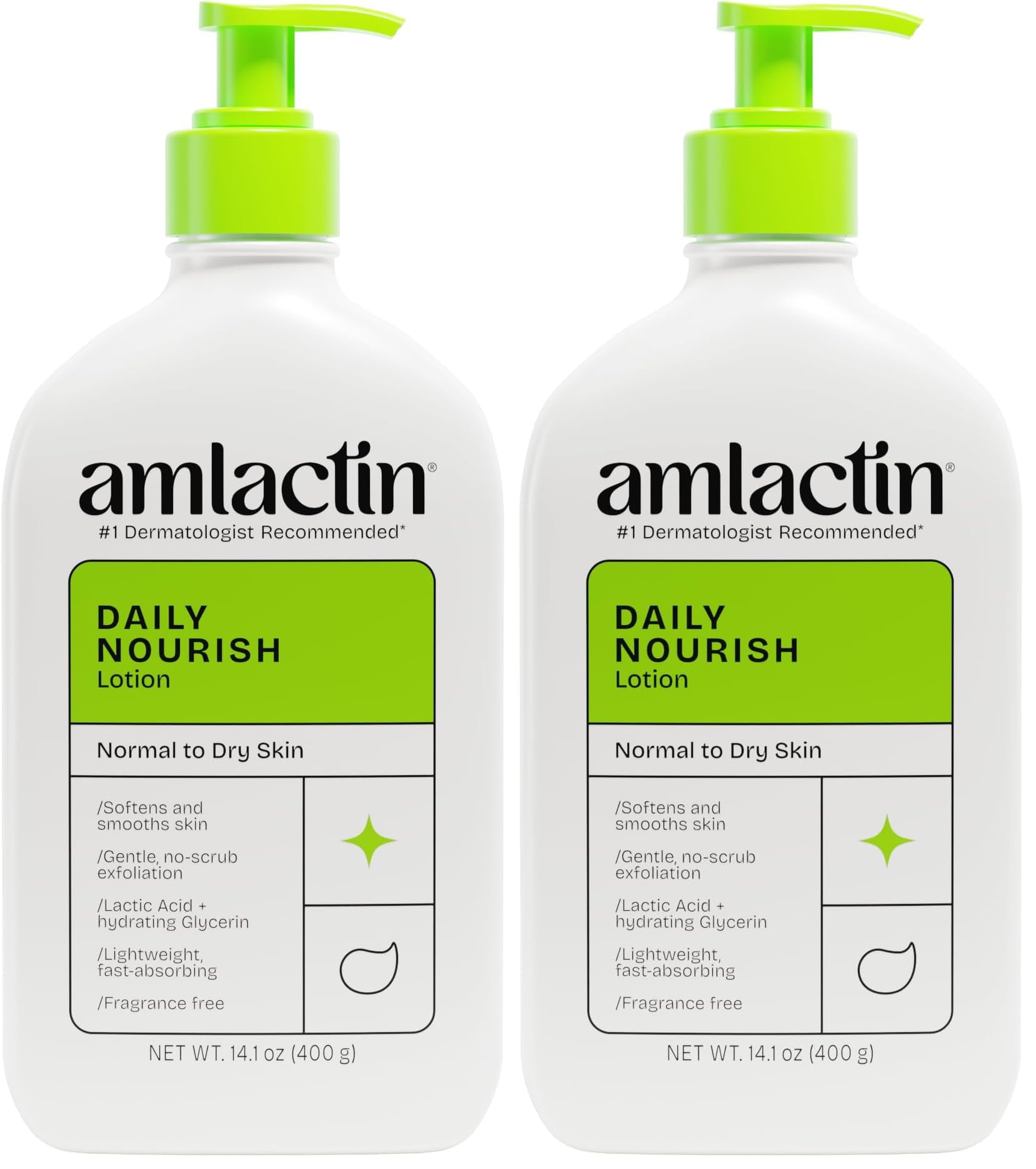
Exfoliating Body Lotion - 12% Lactic Acid Body Lotion. Provides Gentle & To Dry
Summary
This exfoliating body lotion features a high concentration of lactic acid, which is a beneficial skin active known for its exfoliating properties. The product is minimally processed and does not contain any harsh surfactants, synthetic fragrances, or other harmful chemicals that could pose risks to skin health. Its clean label and focus on effective, safe ingredients contribute to its high rating.
At a glance
Key ingredients 9
Distilled water
Distilled water is a purified form of water that serves as a base for many cosmetic formulations. It helps dissolve other ingredients and ensures the product is free from impurities. It is essential for maintaining the stability and consistency of the lotion.
Risks
There are no known risks associated with distilled water in cosmetics.
Benefits
It provides a clean and stable medium for other active ingredients to function effectively.
Lavender Floral Water
Lavender floral water is derived from the distillation of lavender flowers and is known for its soothing properties. It can help calm irritated skin and provide a pleasant aroma. It is often used in cosmetics for its mild astringent and anti-inflammatory effects.
Risks
Some individuals may experience allergic reactions or skin sensitivity.
Benefits
It offers soothing and calming effects on the skin, making it suitable for sensitive skin types.
Lactic Acid
Lactic acid is an alpha hydroxy acid (AHA) that helps exfoliate the skin by breaking down dead skin cells. It improves skin texture and promotes cell turnover. It is commonly used in skincare for its ability to enhance skin hydration and smoothness.
Risks
Overuse can lead to skin irritation or increased sensitivity to sunlight.
Benefits
It effectively exfoliates and hydrates the skin, improving overall skin appearance.
Glycerin
Glycerin is a humectant that attracts moisture to the skin, helping to keep it hydrated. It is a common ingredient in moisturizers due to its ability to improve skin barrier function. It is well-tolerated by most skin types and enhances the skin's natural moisture retention.
Risks
There are minimal risks, though it may cause irritation in very sensitive individuals.
Benefits
It provides excellent hydration and helps maintain the skin's moisture balance.
Phospholipids
Phospholipids are natural components of cell membranes and are used in cosmetics for their moisturizing and skin-conditioning properties. They help to restore the skin's natural barrier and improve the delivery of active ingredients. They are beneficial for maintaining skin elasticity and hydration.
Risks
There are no significant risks associated with phospholipids in cosmetics.
Benefits
They enhance skin hydration and improve the delivery of other beneficial ingredients.
Ceramide NP
Ceramide NP is a type of lipid that is naturally found in the skin and helps to maintain the skin's barrier function. It is used in skincare to replenish lost ceramides and improve skin hydration. It is particularly beneficial for dry or compromised skin.
Risks
There are no known risks associated with ceramide NP in cosmetics.
Benefits
It strengthens the skin barrier and enhances moisture retention.
Ceramide AP
Ceramide AP is another type of ceramide that supports the skin's natural barrier and helps retain moisture. It is used in formulations to improve skin texture and hydration. It is effective in reducing dryness and enhancing skin resilience.
Risks
There are no known risks associated with ceramide AP in cosmetics.
Benefits
It provides long-lasting hydration and supports the skin's protective barrier.
Cholesterol
Cholesterol is a lipid that is naturally present in the skin and plays a crucial role in maintaining the skin's barrier function. It is used in skincare to enhance the skin's moisture retention and improve texture. It works synergistically with ceramides and fatty acids to strengthen the skin barrier.
Risks
There are no significant risks associated with cholesterol in cosmetics.
Benefits
It helps maintain skin hydration and supports the skin's natural barrier.
Phytosphingosine
Phytosphingosine is a lipid that is part of the skin's natural barrier and has antimicrobial properties. It is used in skincare to help reduce inflammation and improve the skin's defense against environmental stressors. It is beneficial for acne-prone and sensitive skin types.
Risks
There are no significant risks associated with phytosphingosine in cosmetics.
Benefits
It supports the skin's barrier function and has anti-inflammatory properties.
Processing
Unprocessed or Minimally Processed Foods
Get the full breakdown in the Scout app
Scan any product to see lab results, healthy alternatives, and your personalized analysis.
Download on theApp Store