
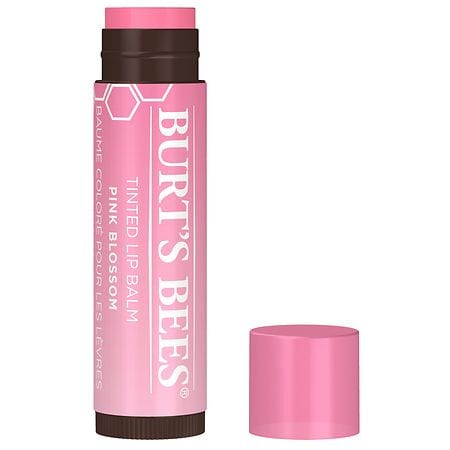
At a glance
Summary
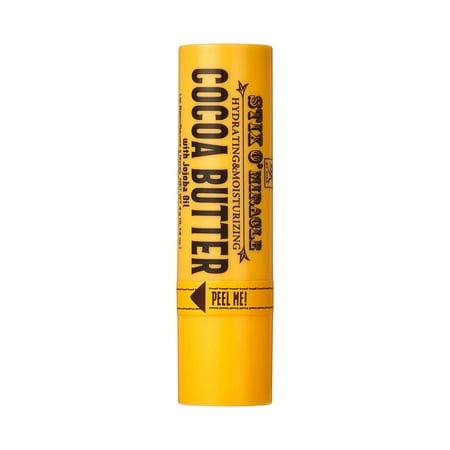
This lip balm contains a variety of natural oils and butters, such as almond oil, cocoa butter, and beeswax, which are beneficial for moisturizing and protecting the lips. The inclusion of skin-friendly ingredients like jojoba oil and vitamin E further enhances its nourishing properties. However, the presence of 'flavor' as an ingredient and the processed nature of the product slightly limit its score, despite the overall clean and natural formulation.
Key ingredients 15
Prunus Amygdalus Dulcis (Almond Oil)Very Good
Almond oil is a natural emollient that helps to moisturize and soften the skin. It is rich in vitamins A and E, which are beneficial for skin health. Its fatty acids help to retain moisture and soothe irritated skin.
Risks
There is a potential risk of allergic reactions in individuals with nut allergies.
Benefits
Almond oil provides deep hydration and nourishment to the skin, making it soft and supple.
Theobroma Cacao (Cocoa) Seed ButterVery Good
Cocoa butter is a rich natural fat that provides excellent moisturizing properties. It forms a protective barrier over the skin to lock in moisture. It is also high in antioxidants, which help fight free radicals.
Risks
There is a minimal risk of allergic reactions, although it is rare.
Benefits
Cocoa butter deeply hydrates and nourishes the skin, improving elasticity and reducing dryness.
Cera Alba (Bees) WaxVery Good
Beeswax is a natural wax that provides a protective barrier on the skin. It helps to lock in moisture and protect the skin from environmental damage. It also has anti-inflammatory and antibacterial properties.
Risks
There is a low risk of allergic reactions, particularly in individuals allergic to bee products.
Benefits
Beeswax helps to retain skin moisture and provides a protective barrier against irritants.
Ricinus Communis (Castor) Seed OilVery Good
Castor oil is a natural emollient that helps to moisturize and condition the skin. It is rich in ricinoleic acid, which has anti-inflammatory properties. It also helps to soothe and soften dry, irritated skin.
Risks
There is a potential risk of allergic reactions, although it is uncommon.
Benefits
Castor oil provides deep hydration and has anti-inflammatory benefits for the skin.
Olea Europaea (Olive) Fruit OilVery Good
Olive oil is a natural oil rich in antioxidants and healthy fats. It helps to moisturize and nourish the skin, improving its texture and elasticity. It also contains vitamins A and E, which are beneficial for skin health.
Risks
There is a minimal risk of allergic reactions, although it is rare.
Benefits
Olive oil deeply nourishes and hydrates the skin, providing antioxidant protection.
Vitis Vinifera (Grape) Seed OilVery Good
Grape seed oil is a lightweight oil that is easily absorbed by the skin. It is rich in antioxidants, including vitamin E, which help to protect the skin from free radical damage. It also has anti-inflammatory properties.
Risks
There is a minimal risk of allergic reactions, although it is rare.
Benefits
Grape seed oil provides antioxidant protection and helps to moisturize and soothe the skin.
Simmondsia Chinensis (Jojoba) Seed OilVery Good
Jojoba oil is a natural oil that closely resembles the skin's natural sebum. It helps to balance oil production and provides deep hydration. It also has anti-inflammatory and antibacterial properties.
Risks
There is a minimal risk of allergic reactions, although it is rare.
Benefits
Jojoba oil helps to balance skin moisture and provides soothing and protective benefits.
Cocos Nucifera (Coconut) OilVery Good
Coconut oil is a natural moisturizer that helps to hydrate and soften the skin. It is rich in fatty acids and has antibacterial and anti-inflammatory properties. It also helps to improve skin barrier function.
Risks
There is a potential risk of comedogenicity, which may clog pores in some individuals.
Benefits
Coconut oil provides deep hydration and has antibacterial benefits for the skin.
Coenzyme Q10Very Good
Coenzyme Q10 is a powerful antioxidant that helps to protect the skin from free radical damage. It also plays a role in energy production within cells, promoting healthy skin function. Its inclusion in skincare products can help to reduce the signs of aging.
Risks
There is a minimal risk of allergic reactions, although it is rare.
Benefits
Coenzyme Q10 provides antioxidant protection and supports healthy skin function.
Retinol Palmitate (Vitamin A)Very Good
Retinol palmitate is a form of vitamin A that helps to promote skin renewal and improve texture. It is known for its anti-aging benefits, helping to reduce the appearance of fine lines and wrinkles. It also supports healthy skin cell turnover.
Risks
There is a potential risk of irritation, especially for sensitive skin types.
Benefits
Retinol palmitate promotes skin renewal and provides anti-aging benefits.
Tocopherol (Vitamin E)Very Good
Vitamin E is a powerful antioxidant that helps to protect the skin from oxidative stress. It also has moisturizing properties, helping to improve skin hydration and texture. Its inclusion in skincare products can help to enhance skin health and appearance.
Risks
There is a minimal risk of allergic reactions, although it is rare.
Benefits
Vitamin E provides antioxidant protection and improves skin hydration.
Eupatorium Rebaudianum Bertoni Leaf ExtractGood
This extract, commonly known as stevia, is used for its natural sweetening properties. It is also known to have antioxidant properties, which can help protect the skin from oxidative stress. Its natural origin makes it a preferable choice over synthetic sweeteners.
Risks
There is a minimal risk of allergic reactions, although it is rare.
Benefits
Stevia extract provides natural sweetness and antioxidant protection.
Cholecalciferol (Vitamin D3)Good
Vitamin D3 is essential for skin health, helping to support the skin's immune function and repair processes. It also plays a role in maintaining skin barrier integrity. Its inclusion in skincare products can help to improve overall skin health.
Risks
There is a minimal risk of allergic reactions, although it is rare.
Benefits
Vitamin D3 supports skin health and helps to maintain skin barrier integrity.
Zinc StearateNeutral
Zinc stearate is a common cosmetic ingredient used as a lubricant and thickening agent. It helps to improve the texture and application of the product. It is generally considered safe for use in cosmetics.
Risks
There is a minimal risk of irritation, although it is rare.
Benefits
Zinc stearate improves product texture and application.
FlavorBad
Flavor in cosmetics can often be a mixture of various chemicals, some of which may cause irritation or allergic reactions. It is not always clear what specific compounds are used, leading to potential safety concerns. The lack of transparency in labeling can be problematic for sensitive individuals.
Risks
There is a risk of allergic reactions or irritation, especially for those with sensitive skin.
Benefits
Flavor can enhance the sensory experience of using the product.
Get the full breakdown in the Scout appTake Scout shopping
Scan any product to see lab results, healthy alternatives, and your personalized analysis.
Download on theApp Store GET IT ONGoogle Play