
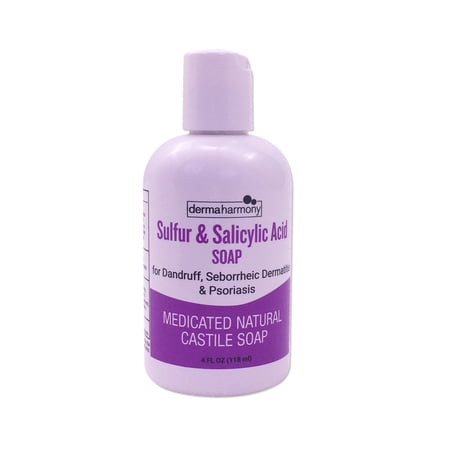
Sulfur & Salicylic Acid Liquid Castile Soap - 4 fl oz (1 Bottle)
Summary
This liquid castile soap contains beneficial natural ingredients like saponified coconut oil, safflower oil, castor oil, and vitamin E, which provide moisturizing and protective benefits for the skin. However, the presence of acrylates copolymer, a synthetic polymer that may not be biodegradable, slightly detracts from its overall environmental friendliness. The product's processing level also limits its potential score, despite the predominantly natural ingredient list.
At a glance
Key ingredients 9
WaterNeutral
Water is a universal solvent used to dissolve other ingredients. It acts as a carrier for active ingredients in the formulation. It is essential for the consistency and application of the product.
Risks
There are no significant risks associated with water in this context.
Benefits
Water helps in the even distribution of other ingredients on the skin.
Saponified oils of coconutVery Good
Saponified coconut oil is a natural surfactant that helps cleanse the skin. It is derived from coconut oil, which is known for its moisturizing properties. The saponification process turns the oil into soap, making it effective for cleaning.
Risks
There are minimal risks, though some individuals may experience dryness if used excessively.
Benefits
It provides a rich lather and helps maintain skin moisture.
Safflower oilGood
Safflower oil is a natural oil known for its moisturizing properties. It is rich in linoleic acid, which helps maintain the skin's barrier. It is often used in skincare for its emollient benefits.
Risks
There is a low risk of allergic reactions in sensitive individuals.
Benefits
It helps to hydrate and smooth the skin.
Castor oilGood
Castor oil is a natural oil with anti-inflammatory and antimicrobial properties. It is used in skincare for its ability to soothe and hydrate the skin. It also acts as a natural preservative in formulations.
Risks
Some people may experience skin irritation or allergic reactions.
Benefits
It provides deep hydration and can help reduce inflammation.
Citric acidNeutral
Citric acid is used to adjust the pH of the product. It is a natural acid found in citrus fruits. It helps maintain the stability and effectiveness of the formulation.
Risks
In high concentrations, it can cause skin irritation.
Benefits
It helps to balance the pH and preserve the product.
Vitamin EGood
Vitamin E is an antioxidant that helps protect the skin from damage. It is commonly used in skincare for its moisturizing and healing properties. It also helps to extend the shelf life of products by preventing oxidation.
Risks
There is a low risk of skin irritation in sensitive individuals.
Benefits
It provides antioxidant protection and helps to nourish the skin.
5% SulfurNeutral
Sulfur is used for its antibacterial and keratolytic properties. It is effective in treating acne and other skin conditions. It helps to reduce oiliness and unclog pores.
Risks
It can cause dryness or irritation in some individuals.
Benefits
It helps to treat acne and reduce skin oiliness.
2% Salicylic AcidNeutral
Salicylic acid is a beta hydroxy acid used for exfoliation. It penetrates the pores to remove dead skin cells and reduce acne. It is commonly used in acne treatments for its effectiveness.
Risks
It can cause dryness or irritation, especially in sensitive skin.
Benefits
It helps to clear acne and improve skin texture.
Acrylates CopolymerBad
Acrylates copolymer is a synthetic polymer used as a film-forming agent. It helps to stabilize the product and improve texture. However, it is a synthetic ingredient that may not be biodegradable.
Risks
It can contribute to environmental pollution due to its non-biodegradable nature.
Benefits
It improves the texture and stability of the product.
Processing
Processed Foods
Get the full breakdown in the Scout app
Scan any product to see lab results, healthy alternatives, and your personalized analysis.
Download on theApp Store