
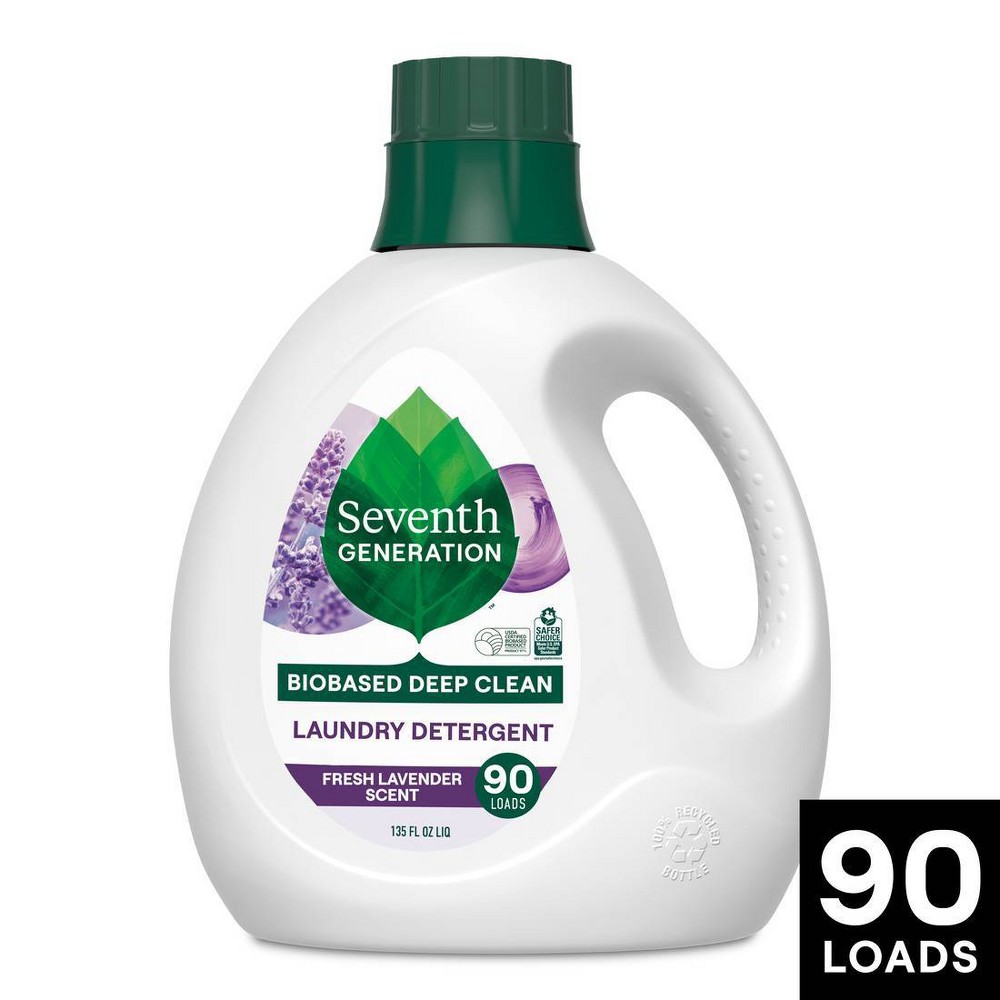
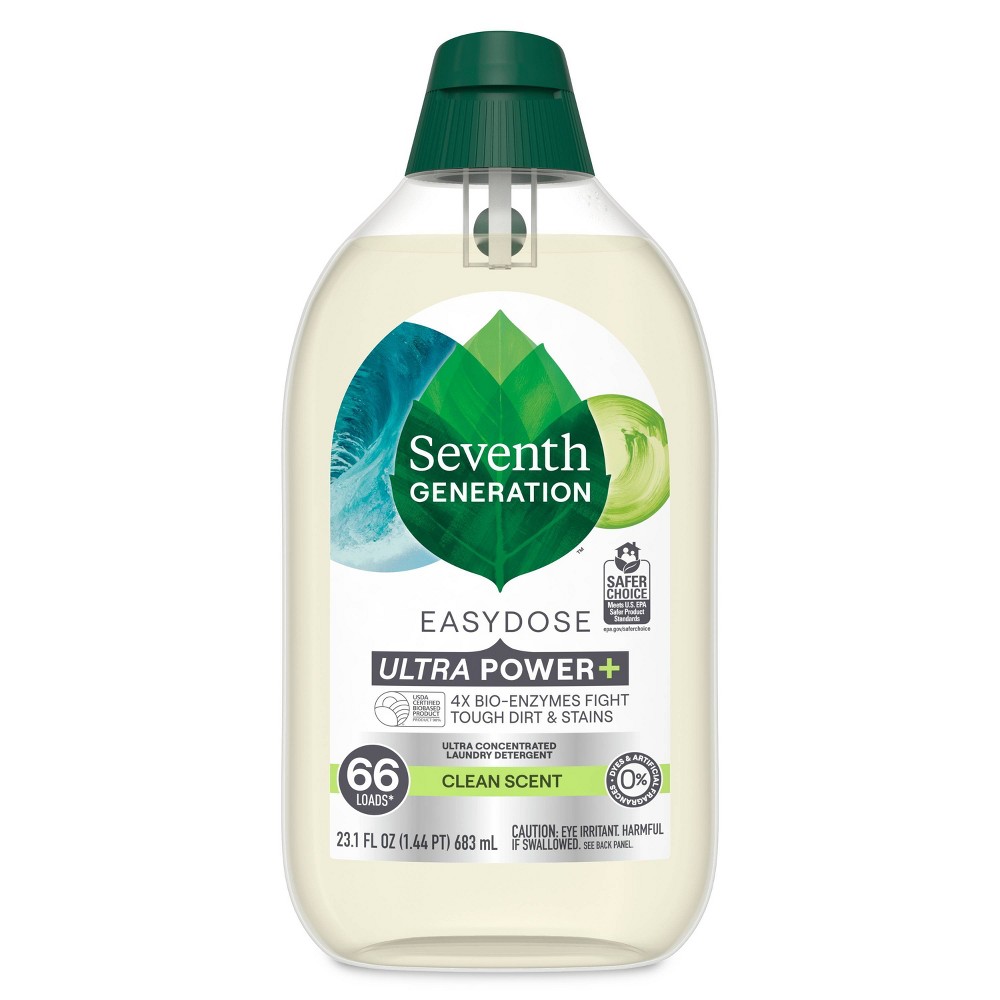
Seventh Generation Liquid Laundry Detergent Soap - Fresh Lavender Scent - 135 fl oz: Dye & Phosphate-Free, HE Formula
Summary
This laundry detergent is free from phosphates and synthetic dyes, which are positive attributes for environmental safety. However, it is a processed product and may contain synthetic fragrances, which can be a concern for indoor air quality and sensitive individuals. The use of plant-based ingredients and the absence of harsh surfactants like SLS or SLES contribute positively to its overall safety profile.
At a glance
Key ingredients 13
Sodium Lauryl Sulfate
Sodium Lauryl Sulfate is a common surfactant used for its effective cleaning properties. It is known for creating a rich lather, which helps in removing dirt and grease. However, it is a harsh surfactant and can be irritating to the skin.
Risks
It is a strong skin irritant and can cause dryness and irritation with prolonged exposure.
Benefits
It is effective in removing oils and residues due to its strong surfactant properties.
Cocamidopropyl Betaine
Cocamidopropyl Betaine is a mild surfactant derived from coconut oil, often used to reduce the harshness of other surfactants. It helps in creating a stable foam and enhances the cleaning process. It is generally considered safe and less irritating than harsher surfactants.
Risks
In some cases, it may cause skin irritation or allergic reactions, especially in sensitive individuals.
Benefits
It is a milder alternative to harsher surfactants and helps in maintaining skin moisture.
Sodium Citrate
Sodium Citrate is used as a water softener and pH regulator in cleaning products. It helps in enhancing the effectiveness of surfactants by binding with metal ions in water. It is biodegradable and considered safe for use.
Risks
There are minimal risks associated with Sodium Citrate, as it is generally recognized as safe.
Benefits
It improves the cleaning efficiency of detergents and is environmentally friendly.
Sodium Carbonate
Sodium Carbonate, also known as washing soda, is used to increase the alkalinity of the detergent, which helps in breaking down stains. It is effective in softening water and enhancing the cleaning power of the detergent. It is a common ingredient in many cleaning products.
Risks
It can cause skin irritation if it comes into direct contact with the skin in concentrated forms.
Benefits
It enhances the cleaning power of detergents and helps in removing tough stains.
Caprylyl/Decyl Glucoside
Caprylyl/Decyl Glucoside is a mild, plant-derived surfactant used for its gentle cleansing properties. It is derived from sugar and fatty alcohols and is known for being non-irritating and biodegradable. It is suitable for sensitive skin and environmentally friendly.
Risks
There are minimal risks associated with this ingredient, as it is generally considered safe and non-irritating.
Benefits
It provides gentle cleansing without stripping the skin of natural oils and is eco-friendly.
Decyl Glucoside
Decyl Glucoside is a non-ionic surfactant derived from glucose and coconut oil. It is known for its mildness and ability to produce a stable foam. It is biodegradable and suitable for sensitive skin.
Risks
There are minimal risks associated with Decyl Glucoside, as it is considered safe and non-irritating.
Benefits
It is a gentle, plant-derived surfactant that is effective in cleansing without causing irritation.
Amylase
Amylase is an enzyme used in detergents to break down starches into sugars, enhancing the removal of food stains. It is derived from natural sources and is biodegradable. It is effective in improving the cleaning performance of detergents.
Risks
There are minimal risks associated with Amylase, as it is generally considered safe and biodegradable.
Benefits
It enhances stain removal, particularly for food-based stains, and is environmentally friendly.
Anthemis nobilis (chamomile) flower oil
Chamomile flower oil is used for its soothing properties and pleasant fragrance. It is derived from the chamomile plant and is known for its calming effects. It is often used in personal care products for its skin-soothing benefits.
Risks
There is a potential for allergic reactions in individuals sensitive to chamomile or related plants.
Benefits
It provides a natural fragrance and has soothing properties for the skin.
Barosma betulina (buchu) leaf oil
Buchu leaf oil is used for its aromatic properties and potential antimicrobial effects. It is derived from the buchu plant and has a distinctive herbal scent. It is sometimes used in natural cleaning products for its fragrance and potential benefits.
Risks
There is limited information on the risks, but it may cause skin irritation in sensitive individuals.
Benefits
It provides a natural fragrance and may have antimicrobial properties.
Benzyl Acetate
Benzyl Acetate is used as a fragrance ingredient in cleaning products. It is known for its sweet, floral aroma and is commonly used in perfumery. It is a synthetic compound that enhances the scent profile of products.
Risks
It can cause skin irritation and allergic reactions in sensitive individuals.
Benefits
It provides a pleasant fragrance to cleaning products.
Cedrenol
Cedrenol is a fragrance ingredient used for its woody aroma. It is often used in perfumery and personal care products to impart a natural scent. It is derived from cedarwood and is considered safe for use in small quantities.
Risks
There is a potential for skin irritation or allergic reactions in sensitive individuals.
Benefits
It provides a natural, woody fragrance to products.
Citrus aurantium dulcis (orange) oil
Orange oil is used for its fresh, citrus scent and potential cleaning properties. It is derived from the peel of oranges and is known for its uplifting aroma. It is often used in natural cleaning products for its fragrance and potential grease-cutting abilities.
Risks
There is a potential for skin irritation or allergic reactions in sensitive individuals.
Benefits
It provides a natural citrus fragrance and may enhance cleaning performance.
Citrus aurantium dulcis (orange) peel oil
Orange peel oil is used for its aromatic properties and potential cleaning benefits. It is extracted from the peel of oranges and is known for its fresh, citrus scent. It is commonly used in natural cleaning products for its fragrance and potential grease-cutting abilities.
Risks
There is a potential for skin irritation or allergic reactions in sensitive individuals.
Benefits
It provides a natural citrus fragrance and may enhance cleaning performance.
Processing
Processed Foods
Get the full breakdown in the Scout app
Scan any product to see lab results, healthy alternatives, and your personalized analysis.
Download on theApp Store