




At a glance
Summary
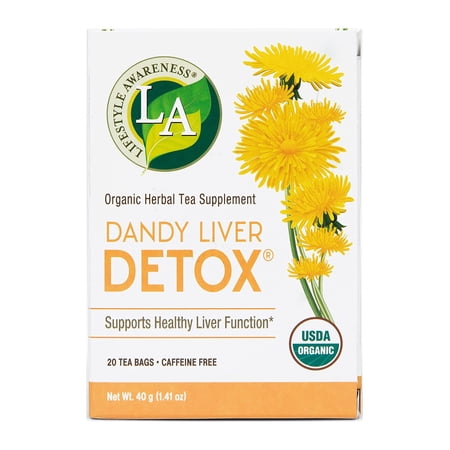
This detox tea features a blend of natural herbal ingredients, including hibiscus flower and cactus, which are minimally processed and offer potential health benefits such as antioxidants and fiber. However, the inclusion of senna leaves, known for their laxative effects, raises concerns about potential dependency and electrolyte imbalance with prolonged use. The overall processing level is low, contributing to a favorable score, but the presence of senna leaves necessitates caution.
Key ingredients 5
Hibiscus FlowerVery Good
Hibiscus flower is known for its high antioxidant content, which can help reduce oxidative stress. It is often used in herbal teas for its potential to lower blood pressure and improve liver health. The vibrant color and tart flavor are natural, indicating minimal processing.
Benefits
Rich in antioxidants and may support cardiovascular health by lowering blood pressure.
CactusGood
Cactus, particularly Opuntia ficus-indica, is valued for its fiber content and potential to regulate blood sugar levels. It is a natural ingredient with minimal processing involved. The presence of vitamins and minerals adds to its nutritional profile.
Risks
Excessive consumption may lead to gastrointestinal discomfort.
Benefits
Contains fiber and antioxidants that may aid in digestion and blood sugar regulation.
Boldo LeavesGood
Boldo leaves are traditionally used for their potential liver-protective properties and digestive benefits. They contain boldine, an alkaloid that may support liver health. The leaves are typically dried and used in teas, indicating minimal processing.
Risks
Excessive consumption may lead to liver toxicity.
Benefits
May support liver health and aid digestion due to the presence of boldine.
Bitter OrangeNeutral
Bitter orange is often used for its potential to aid in weight loss and improve digestion. However, it contains synephrine, which can have stimulant effects similar to caffeine. The fruit is typically dried and used in teas, indicating moderate processing.
Risks
May increase heart rate and blood pressure due to synephrine content.
Benefits
May aid in weight loss and improve digestion.
Senna LeavesBad
Senna leaves are commonly used as a natural laxative due to their sennoside content. While effective for short-term relief of constipation, they can cause dependency and electrolyte imbalance with prolonged use. The leaves are typically dried and used in teas, indicating some processing.
Risks
Long-term use can lead to dependency and potential electrolyte imbalances.
Benefits
Effective for short-term relief of constipation due to its natural laxative properties.
Processing
Processed Culinary Ingredients
Get the full breakdown in the Scout appTake Scout shopping
Scan any product to see lab results, healthy alternatives, and your personalized analysis.
Download on theApp Store GET IT ONGoogle Play