
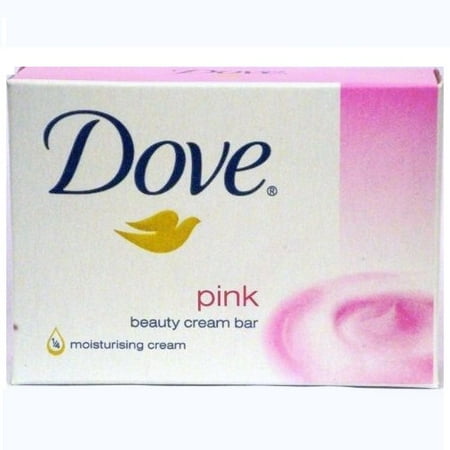


New 807073 Dove Bath Soap 4.75Oz Pink Moist 135G (48-Pack) Bath Products Cheap Wholesale Discount Bulk Health & Beauty Bath Products Men
Summary
This bath soap contains synthetic ingredients typical of processed personal care products, which can include potential skin irritants or allergens. While it may provide moisturizing benefits, the presence of synthetic fragrance and other processed components limits its score. The product's processing level and ingredient list suggest a moderate level of safety and effectiveness compared to more natural alternatives.
At a glance
Key ingredients 16
Sodium Lauroyl Isethionate
Sodium Lauroyl Isethionate is a mild surfactant used to create lather and cleanse the skin. It is derived from coconut oil and is considered less irritating than traditional sulfates. It helps to maintain the skin's moisture barrier.
Risks
There is a low risk of skin irritation, especially for sensitive skin types.
Benefits
It provides a gentle cleansing action while being less harsh than other surfactants.
Stearic Acid
Stearic Acid is a fatty acid used as an emollient and thickener in cosmetic formulations. It helps to stabilize and thicken products, providing a smooth texture. It also acts as a surfactant, helping to cleanse the skin.
Risks
Generally considered safe, but may cause minor irritation in sensitive individuals.
Benefits
It helps to soften and smooth the skin, enhancing the product's texture.
Sodium Tallowate
Sodium Tallowate is a soap ingredient derived from animal fat, used for its cleansing properties. It is effective in removing dirt and oils from the skin. It is a traditional soap base ingredient.
Risks
May cause dryness or irritation for some skin types due to its strong cleansing action.
Benefits
Provides effective cleansing and is a traditional, well-known soap ingredient.
Sodium Palmitate
Sodium Palmitate is a sodium salt of palmitic acid, used as a surfactant and cleansing agent. It helps to remove dirt and oil from the skin. It is commonly used in soap formulations.
Risks
Can be drying to the skin if used in high concentrations.
Benefits
Offers effective cleansing properties and contributes to the soap's solid form.
Water
Water is used as a solvent in cosmetic formulations, helping to dissolve other ingredients. It is essential for the product's consistency and application. It also hydrates the skin.
Benefits
Provides hydration and helps to blend other ingredients smoothly.
Cocamidopropyl Betaine
Cocamidopropyl Betaine is a mild surfactant derived from coconut oil, used to enhance foam and improve cleansing. It is often used to reduce irritation from harsher surfactants. It helps to condition the skin.
Risks
May cause allergic reactions or irritation in some individuals.
Benefits
Provides gentle cleansing and conditioning, making it suitable for sensitive skin.
Sodium Isethionate
Sodium Isethionate is a surfactant that helps to create a creamy lather and cleanse the skin. It is known for being mild and non-drying. It is often used in combination with other surfactants.
Risks
Generally considered safe with low irritation potential.
Benefits
Contributes to a rich lather and gentle cleansing action.
Sodium Chloride
Sodium Chloride, or table salt, is used to thicken and stabilize cosmetic formulations. It helps to adjust the viscosity of the product. It is a common ingredient in many personal care products.
Risks
Excessive use can lead to dryness or irritation.
Benefits
Helps to improve the texture and stability of the product.
Glycerin
Glycerin is a humectant that attracts moisture to the skin, helping to keep it hydrated. It is widely used in skincare for its moisturizing properties. It also helps to improve the texture of the product.
Risks
Generally safe with minimal risk of irritation.
Benefits
Provides excellent moisturizing benefits, keeping the skin soft and hydrated.
Fragrance
Fragrance is added to products to provide a pleasant scent. It is a mixture of aromatic compounds. However, it can be a source of allergens and irritants.
Risks
High risk of skin irritation and allergic reactions, especially in sensitive individuals.
Benefits
Enhances the sensory experience of the product with a pleasant scent.
Talc
Talc is used as an absorbent and anti-caking agent in cosmetics. It helps to improve the texture and feel of the product. However, it has been associated with health concerns.
Risks
Potential risk of respiratory issues and contamination with asbestos.
Benefits
Improves product texture and helps to absorb moisture.
Titanium Dioxide
Titanium Dioxide is used as a whitening agent and UV filter in cosmetics. It helps to provide opacity and sun protection. It is considered safe for topical use.
Risks
Inhalation of fine particles can pose respiratory risks.
Benefits
Offers UV protection and improves product appearance.
BHT
BHT is an antioxidant used to preserve the shelf life of products by preventing oxidation. It helps to maintain the stability of the formulation. However, it is a controversial ingredient due to potential health concerns.
Risks
Potential risk of skin irritation and endocrine disruption.
Benefits
Extends the shelf life of the product by preventing oxidation.
EDTA
EDTA is a chelating agent that binds to metal ions, improving the stability and efficacy of the product. It helps to prevent the degradation of the formulation. It is widely used in cosmetics for its stabilizing properties.
Risks
May cause skin irritation in sensitive individuals.
Benefits
Enhances product stability and effectiveness by binding metal ions.
Sodium Hydroxide
Sodium Hydroxide is used to adjust the pH of cosmetic formulations. It helps to neutralize acidic components and maintain product stability. It is used in small amounts to ensure safety.
Risks
Can cause skin irritation or burns if used in high concentrations.
Benefits
Ensures the product has the correct pH for stability and safety.
Citric Acid
Citric Acid is used to adjust the pH and act as a preservative in cosmetic formulations. It helps to maintain the stability and effectiveness of the product. It is derived from citrus fruits and is considered safe for use.
Risks
May cause mild irritation in sensitive skin types.
Benefits
Helps to stabilize the product and adjust its pH for optimal performance.
Processing
Processed Foods
Get the full breakdown in the Scout app
Scan any product to see lab results, healthy alternatives, and your personalized analysis.
Download on theApp Store