


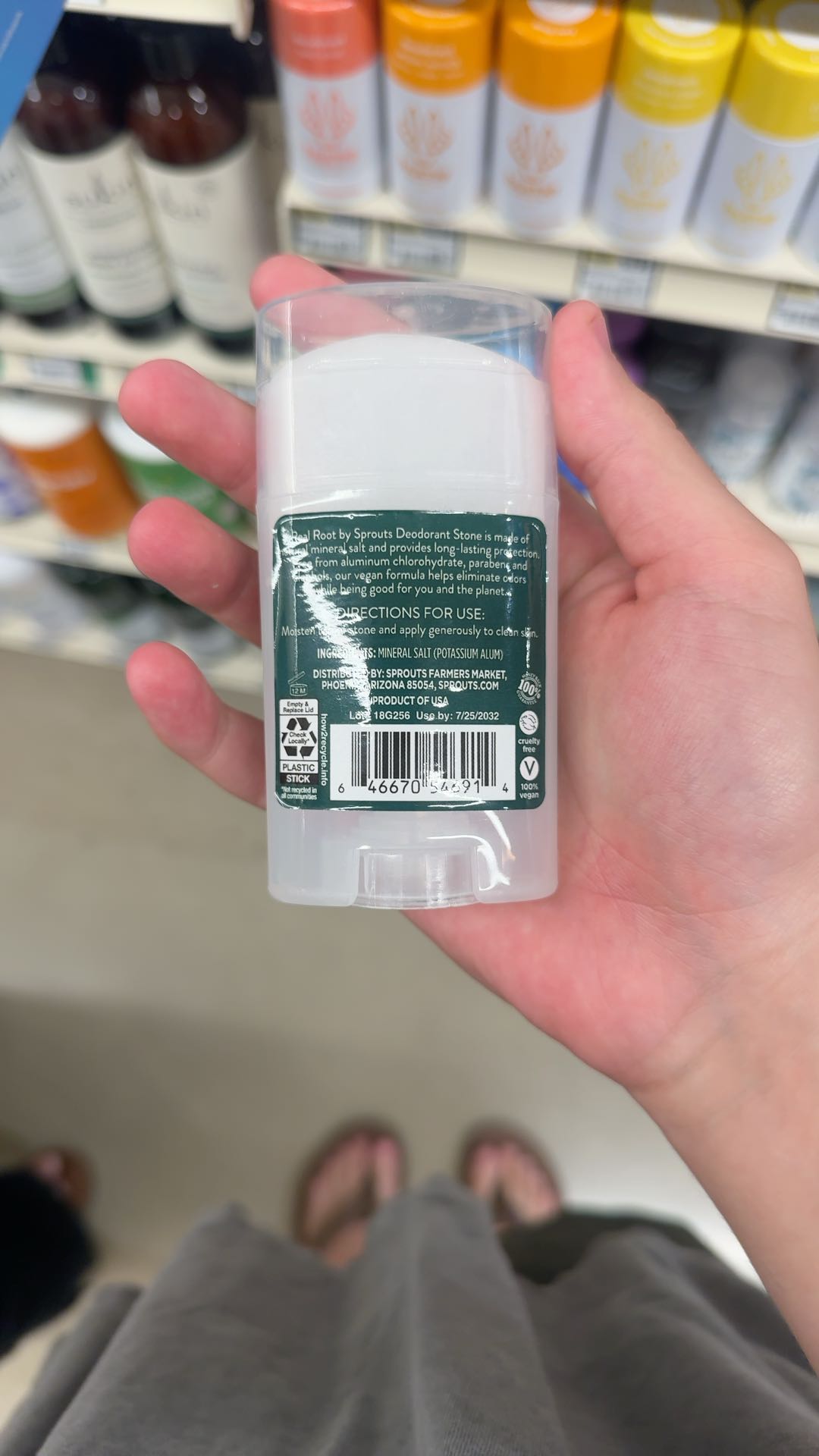
Widmer Deo Creme Light PARF, 40Â ml
Summary
This deodorant contains synthetic fragrance, which can be a concern for those sensitive to artificial scents. While it does not contain aluminum, which is a positive aspect, the presence of processed ingredients limits its overall rating. The product's processing level and inclusion of synthetic components prevent it from achieving a higher score.
At a glance
Key ingredients 17
Aqua
Aqua, or water, is commonly used as a solvent in cosmetic formulations. It helps dissolve other ingredients and provides a base for the product. It is generally considered safe and non-irritating.
Risks
There are no significant risks associated with water in cosmetic products.
Benefits
Water is essential for dissolving ingredients and providing hydration to the skin.
Aluminum Chlorohydrate
Aluminum Chlorohydrate is used in antiperspirants to block sweat ducts and reduce perspiration. It is effective in controlling sweat but has raised health concerns. Some studies suggest it may accumulate in the body and potentially stress the kidneys.
Risks
Potential risks include accumulation in the body and possible kidney stress.
Benefits
It effectively reduces perspiration and controls body odor.
Cyclopentasiloxane
Cyclopentasiloxane is a silicone used to provide a smooth application and silky feel. It is often used in personal care products for its emollient properties. However, it is flagged for being very persistent and bioaccumulative in the environment.
Risks
Environmental concerns due to its persistence and bioaccumulation.
Benefits
Provides a smooth, silky application and enhances the texture of the product.
Paraffinum Liquidum
Paraffinum Liquidum, also known as mineral oil, is used as an emollient to lock in moisture. It forms a barrier on the skin's surface, preventing moisture loss. Despite its effectiveness, it is a petroleum-derived product, which raises environmental concerns.
Risks
Environmental concerns due to its petroleum origin.
Benefits
Effectively locks in moisture and prevents skin dehydration.
Stearic Acid
Stearic Acid is a fatty acid used as an emulsifier and thickener in cosmetics. It helps stabilize formulations and improve texture. It is generally considered safe and non-irritating.
Risks
There are minimal risks associated with its use in cosmetics.
Benefits
Improves product texture and stability.
Sorbitol
Sorbitol is a sugar alcohol used as a humectant to retain moisture in the skin. It helps keep the skin hydrated and smooth. It is generally considered safe for use in cosmetics.
Risks
Excessive use may lead to skin irritation in sensitive individuals.
Benefits
Helps retain moisture and keeps the skin hydrated.
PEG-8 Distearate
PEG-8 Distearate is an emulsifier that helps blend oil and water-based ingredients. It is commonly used in cosmetics for its stabilizing properties. However, it carries a risk of contamination with 1,4-dioxane, a potential carcinogen.
Risks
Potential contamination with 1,4-dioxane, a possible carcinogen.
Benefits
Stabilizes formulations by blending oil and water-based ingredients.
Steareth-2
Steareth-2 is an emulsifier used to stabilize and thicken cosmetic formulations. It helps improve the texture and consistency of products. It is generally considered safe for use in cosmetics.
Risks
There are minimal risks associated with its use in cosmetics.
Benefits
Improves product texture and stability.
Steareth-21
Steareth-21 is an emulsifier that helps blend ingredients and stabilize formulations. It is commonly used in cosmetics for its effectiveness in improving texture. It is generally considered safe for use in cosmetics.
Risks
There are minimal risks associated with its use in cosmetics.
Benefits
Enhances texture and stability of cosmetic products.
PPG-15 Stearyl Ether
PPG-15 Stearyl Ether is used as an emollient and conditioning agent in cosmetics. It provides a smooth feel and helps improve the spreadability of products. It is generally considered safe for use in cosmetics.
Risks
There are minimal risks associated with its use in cosmetics.
Benefits
Improves spreadability and provides a smooth feel to products.
Dimethicone
Dimethicone is a silicone-based polymer used as an emollient and skin protectant. It forms a barrier on the skin, preventing moisture loss and providing a silky feel. It is widely used and generally considered safe.
Risks
There are minimal risks associated with its use in cosmetics.
Benefits
Prevents moisture loss and provides a silky, smooth feel.
Phenoxyethanol
Phenoxyethanol is a preservative used to prevent microbial growth in cosmetics. It is effective in extending the shelf life of products. However, it can cause skin irritation in some individuals, especially in high concentrations.
Risks
Potential skin irritation, especially in sensitive individuals.
Benefits
Prevents microbial growth and extends product shelf life.
Ethylhexylglycerin
Ethylhexylglycerin is used as a preservative and skin conditioning agent. It enhances the efficacy of other preservatives and provides a soft feel to the skin. It is generally considered safe for use in cosmetics.
Risks
There are minimal risks associated with its use in cosmetics.
Benefits
Enhances preservative efficacy and conditions the skin.
Diethylhexyl Sodium Sulfosuccinate
Diethylhexyl Sodium Sulfosuccinate is a surfactant used to improve the spreadability of products. It helps in the even distribution of ingredients on the skin. It is generally considered safe for use in cosmetics.
Risks
There are minimal risks associated with its use in cosmetics.
Benefits
Improves spreadability and distribution of ingredients.
Titanium Dioxide
Titanium Dioxide is used as a pigment and UV filter in cosmetics. It provides opacity and sun protection. It is generally considered safe, but inhalation of its powder form can pose health risks.
Risks
Inhalation of powder form can pose health risks.
Benefits
Provides opacity and sun protection.
Propylene Glycol
Propylene Glycol is used as a humectant and solvent in cosmetics. It helps retain moisture and improve product texture. However, it is petroleum-derived and can cause skin irritation in some individuals.
Risks
Potential skin irritation and concerns due to its petroleum origin.
Benefits
Retains moisture and improves product texture.
Silver Chloride
Silver Chloride is used for its antimicrobial properties in cosmetics. It helps prevent microbial growth and extends product shelf life. It is generally considered safe for use in cosmetics.
Risks
There are minimal risks associated with its use in cosmetics.
Benefits
Provides antimicrobial protection and extends product shelf life.
Processing
Processed Foods
Get the full breakdown in the Scout app
Scan any product to see lab results, healthy alternatives, and your personalized analysis.
Download on theApp Store