
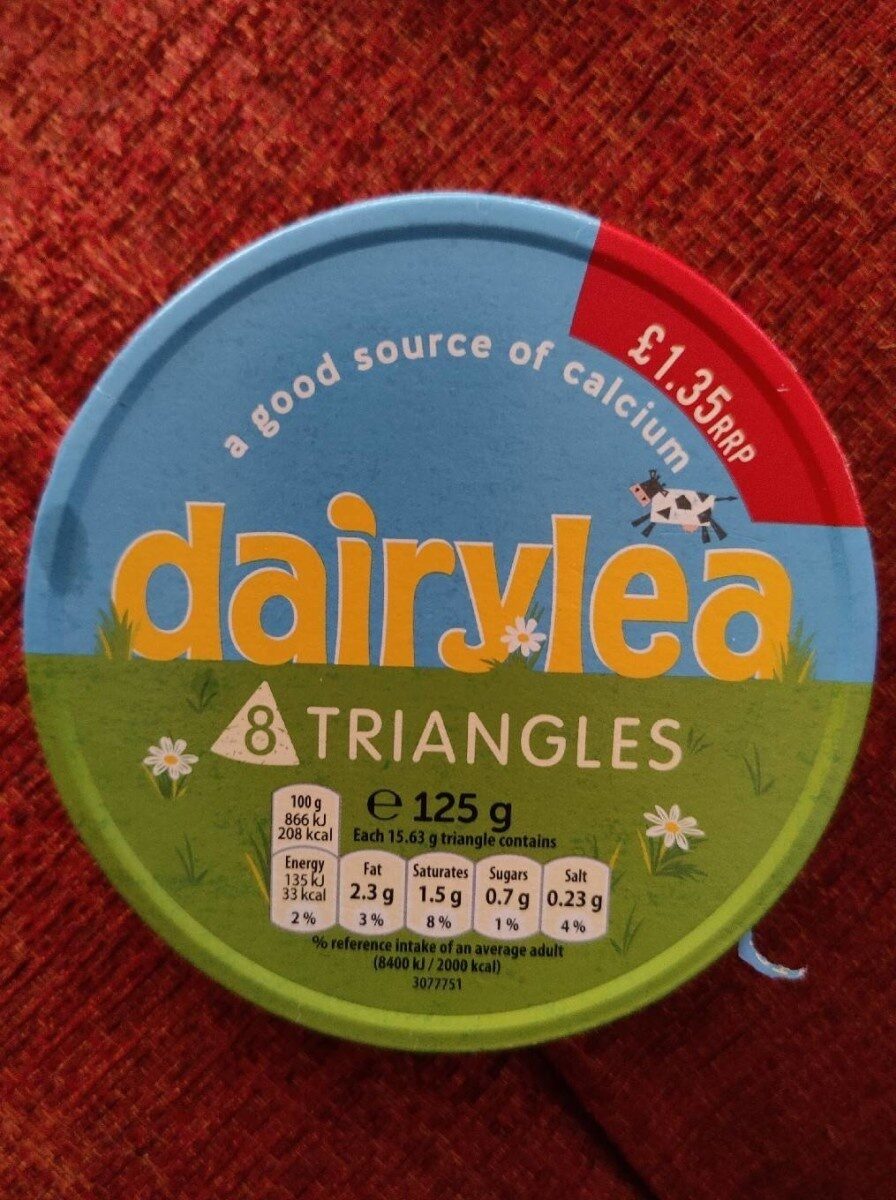



DAIRYLEA PROCESSED CHEESE-PORTIONS REGULAR 125.000 GR
Summary
This cheese product is heavily processed, containing multiple additives such as emulsifying salts and stabilizers, which detract from its nutritional value. While it includes beneficial ingredients like skimmed milk and whey powder, the high level of processing and presence of additives limit its health benefits. The product's processing level and additive content prevent it from being rated higher, despite some positive nutritional aspects.
At a glance
Key ingredients 10
Skimmed milkGood
Skimmed milk is a low-fat dairy option that provides essential nutrients like calcium and protein. It is processed to remove most of the fat, making it a lower-calorie choice. This ingredient is beneficial for those seeking to reduce fat intake while maintaining nutrient intake.
Benefits
Provides essential nutrients such as calcium and protein with reduced fat content, supporting bone health and muscle maintenance.
CheeseGood
Cheese is a dairy product rich in calcium and protein, contributing to bone health and muscle maintenance. It is made through the fermentation of milk, which can enhance its nutritional profile. Cheese also contains beneficial probiotics that support gut health.
Risks
High in saturated fats, which may contribute to cardiovascular issues if consumed in excess.
Benefits
Rich in calcium and protein, supporting bone health and muscle maintenance. Contains probiotics that may benefit gut health.
Milk fatNeutral
Milk fat is a natural component of dairy products, providing flavor and texture. It is a source of saturated fats, which should be consumed in moderation. While it adds richness to foods, it does not offer significant health benefits.
Risks
High in saturated fats, which may contribute to cardiovascular issues if consumed in excess.
Benefits
Adds flavor and texture to dairy products, enhancing the sensory experience.
Skimmed milk powderNeutral
Skimmed milk powder is a dehydrated form of skimmed milk, used to extend shelf life and provide a convenient source of dairy nutrients. It retains most of the nutritional benefits of skimmed milk, including calcium and protein. However, it lacks the fresh taste of liquid milk.
Benefits
Provides a convenient source of calcium and protein, supporting bone health and muscle maintenance.
Stabilisers (citric acid, sodium carbonate)Neutral
Stabilisers like citric acid and sodium carbonate are used to maintain texture and consistency in processed foods. Citric acid is a natural preservative and flavor enhancer, while sodium carbonate helps regulate acidity. These additives are generally recognized as safe when used in moderation.
Risks
Excessive consumption may lead to digestive discomfort in sensitive individuals.
Benefits
Helps maintain product texture and consistency, enhancing shelf stability and consumer experience.
Milk proteinGood
Milk protein is a high-quality protein source that provides essential amino acids necessary for muscle growth and repair. It is derived from milk and is easily digestible, making it a valuable addition to the diet. Milk protein supports muscle maintenance and overall health.
Benefits
Provides essential amino acids for muscle growth and repair, supporting overall health and wellness.
Whey powderGood
Whey powder is a byproduct of cheese production, rich in high-quality protein and essential amino acids. It is easily digestible and supports muscle growth and recovery. Whey powder is often used in sports nutrition for its beneficial effects on muscle maintenance.
Risks
May cause digestive discomfort in lactose-intolerant individuals.
Benefits
Rich in high-quality protein and essential amino acids, supporting muscle growth and recovery.
Calcium phosphateNeutral
Calcium phosphate is used as a dietary supplement to provide calcium and phosphorus, essential for bone health. It is commonly added to foods to enhance nutritional content. While beneficial for bone health, it should be consumed in appropriate amounts to avoid imbalances.
Risks
Excessive intake may lead to mineral imbalances and kidney issues.
Benefits
Provides calcium and phosphorus, essential for maintaining strong bones and teeth.
InulinGood
Inulin is a type of soluble fiber that acts as a prebiotic, supporting gut health by promoting the growth of beneficial bacteria. It is extracted from plants like chicory root and is used to improve digestive health. Inulin can also aid in regulating blood sugar levels and enhancing calcium absorption.
Risks
Excessive consumption may cause digestive discomfort, such as bloating and gas.
Benefits
Supports gut health by promoting beneficial bacteria growth and may aid in blood sugar regulation and calcium absorption.
Emulsifying salt (triphosphate)Bad
Emulsifying salts like triphosphate are used in processed foods to improve texture and stability. They can alter the natural structure of proteins, which may affect nutrient absorption. While they enhance product consistency, they are not nutritionally beneficial.
Risks
May interfere with nutrient absorption and contribute to imbalances in mineral intake.
Benefits
Improves texture and stability of processed foods, enhancing consumer experience.
Processing
Ultra-Processed Foods
Get the full breakdown in the Scout app
Scan any product to see lab results, healthy alternatives, and your personalized analysis.
Download on theApp Store