

At a glance
Summary
This product features a blend of natural oils and botanical extracts, such as grape seed oil, shea butter, and aloe vera, which are known for their nourishing and soothing properties. The ingredient list is free from synthetic chemicals, fragrances, and harmful additives, making it a clean and minimally processed skincare option. The presence of multiple beneficial oils and extracts contributes to its high rating, as they provide hydration and support skin health without the risk of irritation or endocrine disruption.
Key ingredients 25
Huile de pépin de raisinVery Good
Grape seed oil is rich in antioxidants and essential fatty acids, which help to nourish and protect the skin. It is lightweight and easily absorbed, making it suitable for all skin types.
Risks
There are minimal risks associated with grape seed oil, though some individuals may experience mild irritation.
Benefits
It provides moisturizing benefits and can improve skin elasticity and softness.
Beurre de karitéVery Good
Shea butter is a natural fat extracted from the nuts of the shea tree, known for its moisturizing and anti-inflammatory properties. It is rich in vitamins A and E, which promote skin health.
Risks
Rarely, individuals with nut allergies may experience sensitivity.
Benefits
It deeply moisturizes the skin and can help soothe dry and irritated skin conditions.
Eau de bleuetVery Good
Cornflower water is known for its soothing and anti-inflammatory properties, making it beneficial for sensitive skin. It is often used to reduce puffiness and irritation around the eyes.
Risks
There are minimal risks, though some individuals may experience mild irritation.
Benefits
It helps to calm and refresh the skin, particularly around the delicate eye area.
Eau de camomille RomaineVery Good
Roman chamomile water is renowned for its calming and anti-inflammatory effects on the skin. It is suitable for sensitive and irritated skin types.
Risks
Allergic reactions are rare but possible, especially in individuals sensitive to chamomile.
Benefits
It soothes and calms the skin, reducing redness and irritation.
Eau de GéraniumVery Good
Geranium water is used for its balancing and toning properties, helping to regulate oil production and improve skin texture. It has a pleasant floral scent.
Risks
Some individuals may experience mild irritation or allergic reactions.
Benefits
It helps to balance the skin's oil levels and can improve overall skin tone and texture.
Gel Aloe veraVery Good
Aloe vera gel is widely recognized for its soothing and hydrating properties. It contains vitamins, enzymes, and amino acids that promote skin healing.
Risks
Aloe vera is generally safe, but some people may experience allergic reactions.
Benefits
It provides excellent hydration and can soothe sunburns and other skin irritations.
Huile d'amande douceVery Good
Sweet almond oil is rich in vitamins E and A, which help to nourish and soften the skin. It is easily absorbed and suitable for all skin types.
Risks
Individuals with nut allergies should use caution, as it may cause allergic reactions.
Benefits
It moisturizes and improves skin tone, providing a natural glow.
Huile d'ArganVery Good
Argan oil is packed with essential fatty acids and antioxidants, making it highly beneficial for skin hydration and elasticity. It is known for its anti-aging properties.
Risks
There are minimal risks, though some individuals may experience mild irritation.
Benefits
It deeply moisturizes and can reduce the appearance of fine lines and wrinkles.
Huile d'avocatVery Good
Avocado oil is rich in vitamins A, D, and E, which help to nourish and protect the skin. It is known for its deep moisturizing properties.
Risks
Rarely, it may cause irritation in sensitive individuals.
Benefits
It provides intense hydration and can improve skin elasticity and texture.
Huile de bourracheVery Good
Borage oil is high in gamma-linolenic acid (GLA), which helps to maintain healthy skin and reduce inflammation. It is beneficial for dry and sensitive skin.
Risks
Some individuals may experience mild irritation or allergic reactions.
Benefits
It helps to restore moisture and improve skin barrier function.
Huile de calophyllum inophyllumVery Good
Calophyllum inophyllum oil, also known as tamanu oil, is known for its regenerative and healing properties. It is used to treat various skin conditions, including scars and stretch marks.
Risks
There is a risk of allergic reactions in sensitive individuals.
Benefits
It promotes skin regeneration and can improve the appearance of scars and blemishes.
Huile de JojobaVery Good
Jojoba oil closely resembles the skin's natural sebum, making it an excellent moisturizer. It is non-comedogenic and suitable for all skin types.
Risks
There are minimal risks, though some individuals may experience mild irritation.
Benefits
It balances oil production and provides long-lasting hydration.
Huile de macadamiaVery Good
Macadamia oil is rich in monounsaturated fats and antioxidants, which help to nourish and protect the skin. It is easily absorbed and non-greasy.
Risks
Individuals with nut allergies should use caution, as it may cause allergic reactions.
Benefits
It moisturizes and softens the skin, improving its overall texture.
Huile de NigelleVery Good
Nigella oil, also known as black seed oil, is known for its anti-inflammatory and antioxidant properties. It is used to treat various skin conditions, including acne and eczema.
Risks
Some individuals may experience mild irritation or allergic reactions.
Benefits
It helps to reduce inflammation and improve skin health.
Huile de noisetteVery Good
Hazelnut oil is rich in vitamin E and fatty acids, which help to nourish and protect the skin. It is known for its astringent properties, making it suitable for oily skin.
Risks
Individuals with nut allergies should use caution, as it may cause allergic reactions.
Benefits
It helps to balance oil production and tighten pores.
Huile de noyau abricotVery Good
Apricot kernel oil is rich in vitamins A and E, which help to nourish and soften the skin. It is lightweight and easily absorbed, making it suitable for all skin types.
Risks
There are minimal risks, though some individuals may experience mild irritation.
Benefits
It provides moisturizing benefits and can improve skin elasticity and softness.
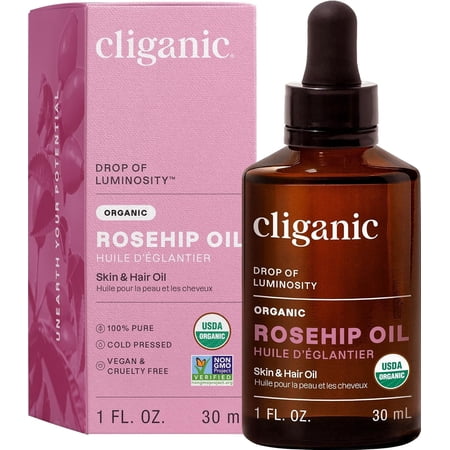
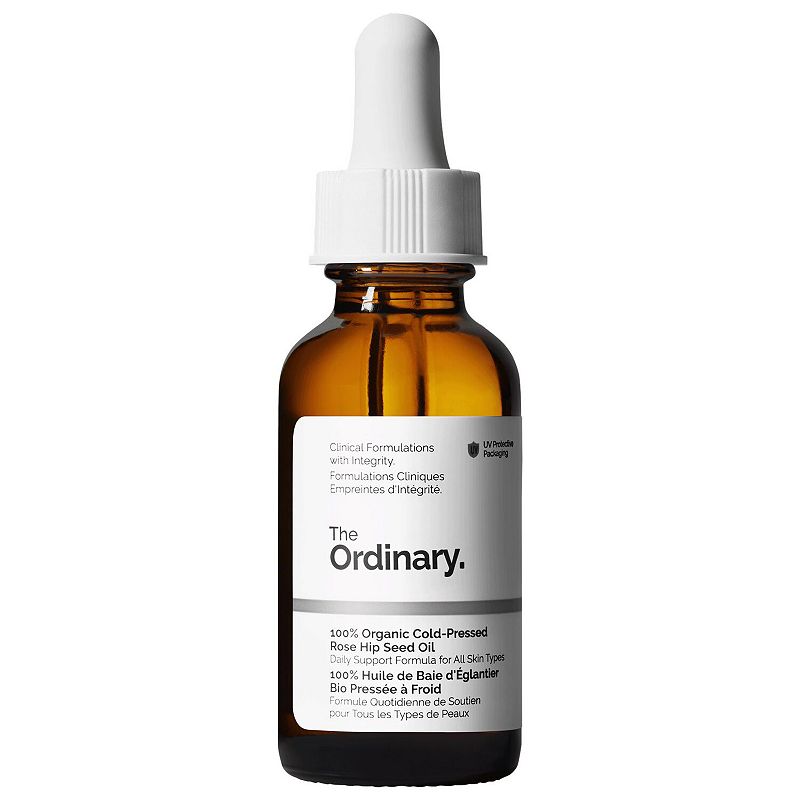
Huile de rose MusqueeVery Good
Rosehip oil is rich in essential fatty acids and antioxidants, which help to regenerate and heal the skin. It is known for its anti-aging properties.
Risks
There are minimal risks, though some individuals may experience mild irritation.
Benefits
It helps to reduce the appearance of scars and fine lines, promoting a youthful complexion.
Huile d'onagreVery Good
Evening primrose oil is high in gamma-linolenic acid (GLA), which helps to maintain healthy skin and reduce inflammation. It is beneficial for dry and sensitive skin.
Risks
Some individuals may experience mild irritation or allergic reactions.
Benefits
It helps to restore moisture and improve skin barrier function.
Huile végétale de RicinVery Good
Castor oil is known for its moisturizing and anti-inflammatory properties. It is often used to treat dry skin and promote hair growth.
Risks
Some individuals may experience mild irritation or allergic reactions.
Benefits
It provides deep hydration and can improve skin texture and elasticity.
Macérat huile de pâqueretteVery Good
Daisy oil macerate is known for its firming and toning properties, making it beneficial for mature skin. It is often used to improve skin elasticity.
Risks
There are minimal risks, though some individuals may experience mild irritation.
Benefits
It helps to firm and tone the skin, reducing the appearance of fine lines.
Macérat huileux d'arnicaVery Good
Arnica oil macerate is known for its anti-inflammatory and healing properties. It is often used to reduce bruising and swelling.
Risks
Some individuals may experience allergic reactions, especially if sensitive to arnica.
Benefits
It helps to reduce inflammation and promote healing of bruises and minor injuries.
Macérat huileux de calendulaVery Good
Calendula oil macerate is known for its soothing and healing properties, making it beneficial for sensitive and irritated skin. It is often used to treat minor cuts and burns.
Risks
There are minimal risks, though some individuals may experience mild irritation.
Benefits
It helps to soothe and heal the skin, reducing redness and irritation.
Macérat huileux de carotteVery Good
Carrot oil macerate is rich in beta-carotene and vitamins A and E, which help to nourish and protect the skin. It is known for its anti-aging properties.
Risks
There are minimal risks, though some individuals may experience mild irritation.
Benefits
It helps to improve skin tone and texture, promoting a healthy glow.
Macérat huileux de millepertuisVery Good
St. John's Wort oil macerate is known for its anti-inflammatory and healing properties. It is often used to treat minor skin irritations and wounds.
Risks
Some individuals may experience photosensitivity or allergic reactions.
Benefits
It helps to reduce inflammation and promote healing of minor skin injuries.
Crème neutreNeutral
Neutral cream serves as a base for cosmetic formulations, providing a medium for other active ingredients. It typically contains emulsifiers and stabilizers.
Risks
The specific composition can vary, and some formulations may contain allergens.
Benefits
It acts as a carrier for active ingredients, enhancing their application and absorption.
Get the full breakdown in the Scout appTake Scout shopping
Scan any product to see lab results, healthy alternatives, and your personalized analysis.
Download on theApp Store GET IT ONGoogle Play