
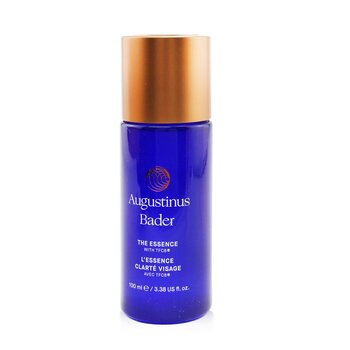
Augustinus Bader The Essence Exfoliating Toner
Analysis updated August 2026 · How Scout scores
At a glance
Summary
This exfoliating toner features a clean and minimal ingredient list with beneficial components like glycerin, which hydrates and maintains skin barrier function, and gluconolactone, a gentle exfoliant suitable for sensitive skin. The inclusion of lactobacillus/wasabia japonica root ferment extract adds soothing and anti-inflammatory properties, enhancing skin health without any harmful additives or synthetic fragrances.
Key ingredients 7
GlycerinGood
Glycerin is a well-known humectant that attracts moisture to the skin. It helps maintain hydration and improves skin barrier function. It is widely used for its moisturizing properties.
Risks
There are minimal risks associated with glycerin, though it can cause irritation in very rare cases.
Benefits
Glycerin helps keep the skin hydrated and can improve skin texture and barrier function.
GluconolactoneGood
Gluconolactone is a polyhydroxy acid (PHA) that provides gentle exfoliation. It is suitable for sensitive skin and helps improve skin texture. It also has antioxidant properties.
Risks
Overuse can lead to skin irritation, especially in sensitive individuals.
Benefits
Gluconolactone gently exfoliates the skin and provides antioxidant benefits.
Lactobacillus/Wasabia Japonica Root Ferment ExtractGood
This ferment extract is known for its soothing and anti-inflammatory properties. It can help balance the skin's microbiome and improve skin health. Fermented ingredients are often used for their enhanced bioavailability.
Risks
There are minimal risks, though some individuals may experience sensitivity.
Benefits
The extract helps soothe the skin and supports a healthy skin microbiome.
Aqua (Water)Neutral
Aqua, or water, is a common solvent used in cosmetic formulations. It acts as a base for other ingredients to dissolve and mix. It does not provide direct benefits or risks.
Risks
There are no direct risks associated with water in cosmetic formulations.
Benefits
Water helps in dissolving other ingredients and provides a medium for application.
Phytic AcidNeutral
Phytic acid is a chelating agent that can help in exfoliation and skin brightening. It is often used to enhance the stability of formulations. It is considered safe in cosmetic use.
Risks
In high concentrations, it may cause irritation, but it is generally used in safe amounts.
Benefits
Phytic acid can help in gentle exfoliation and improve skin brightness.
Sodium HydroxideNeutral
Sodium hydroxide is used to adjust the pH of cosmetic formulations. It is effective in small amounts to ensure product stability. It is not active in the final product when used correctly.
Risks
In high concentrations, it can be corrosive, but it is used in very low, safe concentrations in cosmetics.
Benefits
Sodium hydroxide helps maintain the desired pH level of the product.
Potassium SorbateBad
Synthetic preservative — flagged in daily-use products.
Risks
Some individuals may experience mild irritation or allergic reactions.
Benefits
Potassium sorbate effectively preserves the product by inhibiting microbial growth.
Processing
Processed Foods
Get the full breakdown in the Scout appTake Scout shopping
Scan any product to see lab results, healthy alternatives, and your personalized analysis.
Download on theApp Store GET IT ONGoogle PlayAmazon pricing & content
Amazon price as of . Product prices and availability are accurate as of the date/time indicated and are subject to change. Any price and availability information displayed on Amazon.com at the time of purchase will apply to the purchase of this product.
CERTAIN CONTENT THAT APPEARS ON THIS SITE COMES FROM AMAZON. THIS CONTENT IS PROVIDED “AS IS” AND IS SUBJECT TO CHANGE OR REMOVAL AT ANY TIME.