


coming soon
Summary
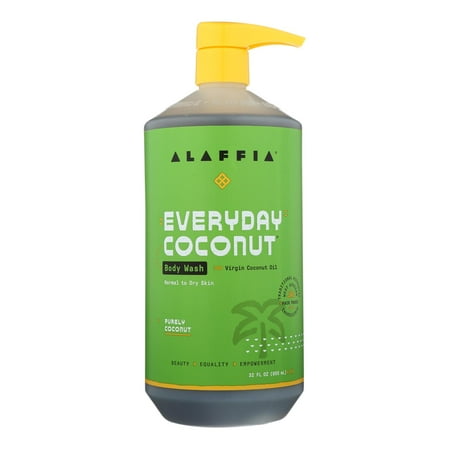
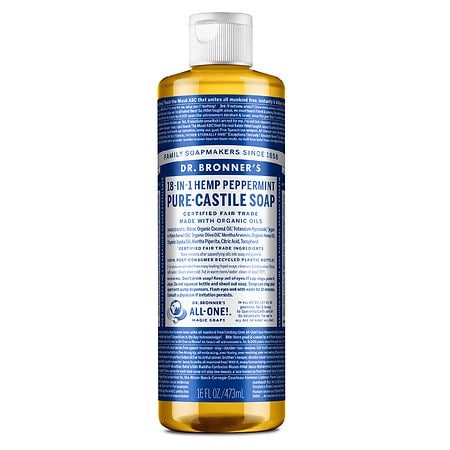
This body wash contains a variety of natural oils and botanical extracts, which are generally beneficial for skin health. However, it includes phenoxyethanol and ethylhexylglycerin as preservatives, which are synthetic and contribute to its processed nature. The presence of these additives, while common in cosmetics, slightly reduces the overall score due to their synthetic nature.
At a glance
Key ingredients 24
Aloe Barbadensis (Aloe Vera) Leaf Juice
Aloe Vera is known for its soothing and moisturizing properties, making it beneficial for skin care. It contains vitamins, enzymes, and amino acids that help in skin repair and hydration. Its anti-inflammatory properties can help reduce skin irritation.
Risks
There are minimal risks associated with Aloe Vera, but some individuals may experience allergic reactions.
Benefits
Aloe Vera is highly beneficial for its hydrating and soothing effects on the skin.
Decyl Glucoside
Decyl Glucoside is a mild non-ionic surfactant derived from glucose and coconut oil. It is used for its gentle cleansing properties and is suitable for sensitive skin. It helps to create a foaming action without stripping the skin of natural oils.
Risks
It is generally considered safe, but overuse can lead to dryness in some individuals.
Benefits
It is beneficial for its gentle cleansing action, making it suitable for sensitive skin.
Cocamidopropyl Betaine
Cocamidopropyl Betaine is a surfactant derived from coconut oil, used to enhance the foaming and cleansing properties of products. It is considered milder than traditional sulfates. It helps to stabilize the formulation and improve texture.
Risks
Some individuals may experience skin irritation or allergic reactions.
Benefits
It is beneficial for its mild cleansing properties and ability to improve product texture.
Carbomer
Carbomer is a synthetic polymer used to thicken and stabilize cosmetic formulations. It helps to create a smooth and consistent texture in products. It is widely used for its ability to suspend insoluble ingredients.
Risks
There are minimal risks, but it can cause eye irritation if not used properly.
Benefits
It is beneficial for its thickening and stabilizing properties in formulations.
Melaleuca Alternifolia (Tea Tree) Leaf Oil
Tea Tree Oil is known for its antimicrobial and anti-inflammatory properties. It is often used to treat acne and other skin conditions. It helps to reduce redness and swelling associated with skin irritations.
Risks
Tea Tree Oil can cause skin irritation or allergic reactions in some individuals.
Benefits
It is beneficial for its antimicrobial properties and ability to soothe skin irritations.
Gaultheria procumbens (Wintergreen) Oil
Wintergreen Oil is known for its analgesic and anti-inflammatory properties. It is often used in products to relieve muscle and joint pain. It contains methyl salicylate, which provides a warming sensation.
Risks
It can be toxic if ingested and may cause skin irritation in sensitive individuals.
Benefits
It is beneficial for its pain-relieving and anti-inflammatory properties.
Mentha Piperita (Peppermint) Oil
Peppermint Oil is known for its cooling and soothing properties. It is often used to relieve headaches and muscle pain. It provides a refreshing scent and can help to invigorate the senses.
Risks
Peppermint Oil can cause skin irritation or allergic reactions in some individuals.
Benefits
It is beneficial for its cooling and soothing effects on the skin.
Eucalyptus Globulus (Eucalyptus) Oil
Eucalyptus Oil is known for its antiseptic and anti-inflammatory properties. It is often used to relieve respiratory issues and muscle pain. It provides a refreshing scent and can help to clear the mind.
Risks
Eucalyptus Oil can cause skin irritation or allergic reactions in some individuals.
Benefits
It is beneficial for its antiseptic properties and ability to relieve respiratory issues.
Origanum Vulgare (Oregano) Oil
Oregano Oil is known for its antimicrobial and antioxidant properties. It is often used to treat skin infections and improve skin health. It contains compounds like carvacrol and thymol, which provide health benefits.
Risks
Oregano Oil can cause skin irritation or allergic reactions in some individuals.
Benefits
It is beneficial for its antimicrobial properties and ability to improve skin health.
Mentha Viridis Leaf Oil (Spearmint)
Spearmint Oil is known for its refreshing and invigorating properties. It is often used to relieve headaches and improve mental clarity. It provides a pleasant scent and can help to uplift the mood.
Risks
Spearmint Oil can cause skin irritation or allergic reactions in some individuals.
Benefits
It is beneficial for its refreshing and invigorating effects on the senses.
Menthol
Menthol is known for its cooling and soothing properties. It is often used to relieve minor aches and pains. It provides a cooling sensation that can help to soothe irritated skin.
Risks
Menthol can cause skin irritation or allergic reactions in some individuals.
Benefits
It is beneficial for its cooling and soothing effects on the skin.
Cinnamomum Cassia (Cinnamon) Oil
Cinnamon Oil is known for its antimicrobial and anti-inflammatory properties. It is often used to improve skin health and treat infections. It provides a warm and spicy scent that can help to invigorate the senses.
Risks
Cinnamon Oil can cause skin irritation or allergic reactions in some individuals.
Benefits
It is beneficial for its antimicrobial properties and ability to improve skin health.
DI-Alpha Tocopheryl Acetate (Vitamin E)
Vitamin E is known for its antioxidant properties and ability to protect the skin from damage. It is often used to improve skin health and reduce signs of aging. It helps to moisturize and nourish the skin.
Risks
There are minimal risks, but high concentrations can cause skin irritation in some individuals.
Benefits
It is beneficial for its antioxidant properties and ability to improve skin health.
Centella asiatica (Gotu Kola) Powder
Gotu Kola is known for its skin-healing and anti-inflammatory properties. It is often used to improve skin elasticity and reduce the appearance of scars. It helps to promote collagen production and improve skin health.
Risks
There are minimal risks, but some individuals may experience allergic reactions.
Benefits
It is beneficial for its skin-healing properties and ability to improve skin elasticity.
Equisetum arvense (Horsetail) Powder
Horsetail is known for its high silica content, which helps to strengthen skin and hair. It is often used to improve skin texture and reduce signs of aging. It provides antioxidant benefits and helps to improve skin health.
Risks
There are minimal risks, but some individuals may experience allergic reactions.
Benefits
It is beneficial for its high silica content and ability to improve skin texture.
Zingiber Officinale (Ginger) Root Oil
Ginger Oil is known for its anti-inflammatory and antioxidant properties. It is often used to improve skin health and reduce signs of aging. It provides a warm and spicy scent that can help to invigorate the senses.
Risks
Ginger Oil can cause skin irritation or allergic reactions in some individuals.
Benefits
It is beneficial for its anti-inflammatory properties and ability to improve skin health.
Pelargonium Graveolens (Geranium) Flower Oil
Geranium Oil is known for its balancing and soothing properties. It is often used to improve skin health and reduce signs of aging. It provides a floral scent that can help to uplift the mood.
Risks
Geranium Oil can cause skin irritation or allergic reactions in some individuals.
Benefits
It is beneficial for its balancing properties and ability to improve skin health.
Citrus Sinensis (Sweet Orange) Oil
Sweet Orange Oil is known for its uplifting and refreshing properties. It is often used to improve mood and reduce stress. It provides a citrus scent that can help to invigorate the senses.
Risks
Sweet Orange Oil can cause skin irritation or allergic reactions in some individuals.
Benefits
It is beneficial for its uplifting properties and ability to improve mood.
Rosa Canina (Rose Hip) Seed Oil
Rose Hip Oil is known for its high content of essential fatty acids and vitamins. It is often used to improve skin health and reduce signs of aging. It helps to moisturize and nourish the skin.
Risks
There are minimal risks, but some individuals may experience allergic reactions.
Benefits
It is beneficial for its high content of essential fatty acids and ability to improve skin health.
Olea Europaea (Olive) Oil
Olive Oil is known for its moisturizing and nourishing properties. It is often used to improve skin health and reduce signs of aging. It provides antioxidant benefits and helps to protect the skin from damage.
Risks
There are minimal risks, but some individuals may experience allergic reactions.
Benefits
It is beneficial for its moisturizing properties and ability to improve skin health.
Taraxacum officinale (Dandelion) Extract
Dandelion Extract is known for its antioxidant and anti-inflammatory properties. It is often used to improve skin health and reduce signs of aging. It helps to detoxify and purify the skin.
Risks
There are minimal risks, but some individuals may experience allergic reactions.
Benefits
It is beneficial for its antioxidant properties and ability to detoxify the skin.
Phenoxyethanol
Phenoxyethanol is a preservative used to prevent the growth of bacteria and mold in cosmetic products. It is considered a safer alternative to parabens. It helps to extend the shelf life of products.
Risks
Phenoxyethanol can cause skin irritation or allergic reactions in some individuals.
Benefits
It is beneficial for its preservative properties and ability to extend product shelf life.
Ethylhexylglycerin
Ethylhexylglycerin is a preservative and skin-conditioning agent. It is often used to enhance the efficacy of other preservatives. It helps to improve the texture and feel of products.
Risks
There are minimal risks, but some individuals may experience skin irritation.
Benefits
It is beneficial for its preservative properties and ability to improve product texture.
Sodium Hydroxide
Sodium Hydroxide is used to adjust the pH of cosmetic formulations. It is often used in small amounts to neutralize acidic components. It helps to stabilize the formulation and improve product performance.
Risks
Sodium Hydroxide can be corrosive and cause skin irritation if used in high concentrations.
Benefits
It is beneficial for its ability to adjust pH and stabilize formulations.
Processing
Processed Foods
Get the full breakdown in the Scout app
Scan any product to see lab results, healthy alternatives, and your personalized analysis.
Download on theApp Store