
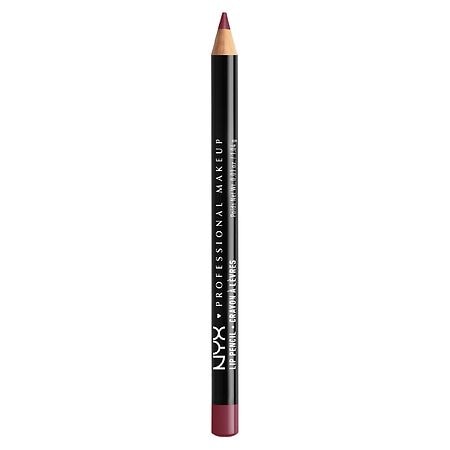

NYX Cosmetics NYX Lipliner Pencil SPL834 Prune - 0.04 oz
Summary
This lipliner contains beneficial natural ingredients like castor seed oil and beeswax, which are known for their moisturizing and protective properties. However, the presence of talc, a controversial ingredient due to potential contamination risks, lowers its safety profile. The product is moderately processed, which further impacts its overall rating.
At a glance
Key ingredients 6
Microcrystalline Wax/Cera MicrocristallinaNeutral
Microcrystalline wax is a refined wax derived from petroleum. It is used to provide structure and stability to cosmetic products. It helps in forming a protective barrier on the skin.
Risks
Being a petroleum derivative, it may pose environmental concerns and potential contamination risks.
Benefits
It provides a smooth application and helps in moisture retention.
Caprylic/Capric TriglycerideVery Good
Caprylic/Capric Triglyceride is a mixed triester derived from coconut oil and glycerin. It is used for its emollient properties and ability to enhance the spreadability of products. It is considered safe and non-irritating.
Risks
There are minimal risks associated with this ingredient, primarily related to rare allergic reactions.
Benefits
It provides a lightweight, non-greasy barrier of lubrication that helps to retain moisture.
Ricinus Communis (Castor) Seed OilVery Good
Castor seed oil is a natural oil obtained from the seeds of the Ricinus communis plant. It is known for its moisturizing and conditioning properties. It is often used in cosmetics for its ability to provide a glossy finish.
Risks
There is a low risk of allergic reactions, but it is generally considered safe for use in cosmetics.
Benefits
It is highly effective in providing hydration and nourishment to the skin.
TalcBad
Talc is a mineral composed of hydrated magnesium silicate. It is used in cosmetics for its ability to absorb moisture and provide a smooth finish. However, its safety has been questioned due to potential contamination with asbestos.
Risks
There is a potential risk of asbestos contamination, which is a known carcinogen.
Benefits
It provides a silky texture and helps to reduce friction on the skin.
Hydrogenated Coconut OilGood
Hydrogenated coconut oil is a form of coconut oil that has been chemically altered to improve its stability and shelf life. It is used for its emollient properties and ability to provide a smooth texture. It is generally considered safe for use in cosmetics.
Risks
There are minimal risks associated with this ingredient, primarily related to rare allergic reactions.
Benefits
It helps to moisturize and soften the skin.
Beeswax/CeraVery Good
Beeswax is a natural wax produced by honey bees. It is used in cosmetics for its ability to provide structure and form a protective barrier on the skin. It is highly regarded for its natural origin and skin-friendly properties.
Risks
There is a low risk of allergic reactions, but it is generally considered safe for use in cosmetics.
Benefits
It helps to lock in moisture and provides a protective barrier against environmental factors.
Processing
Processed Foods
Get the full breakdown in the Scout app
Scan any product to see lab results, healthy alternatives, and your personalized analysis.
Download on theApp Store