


At a glance
Summary
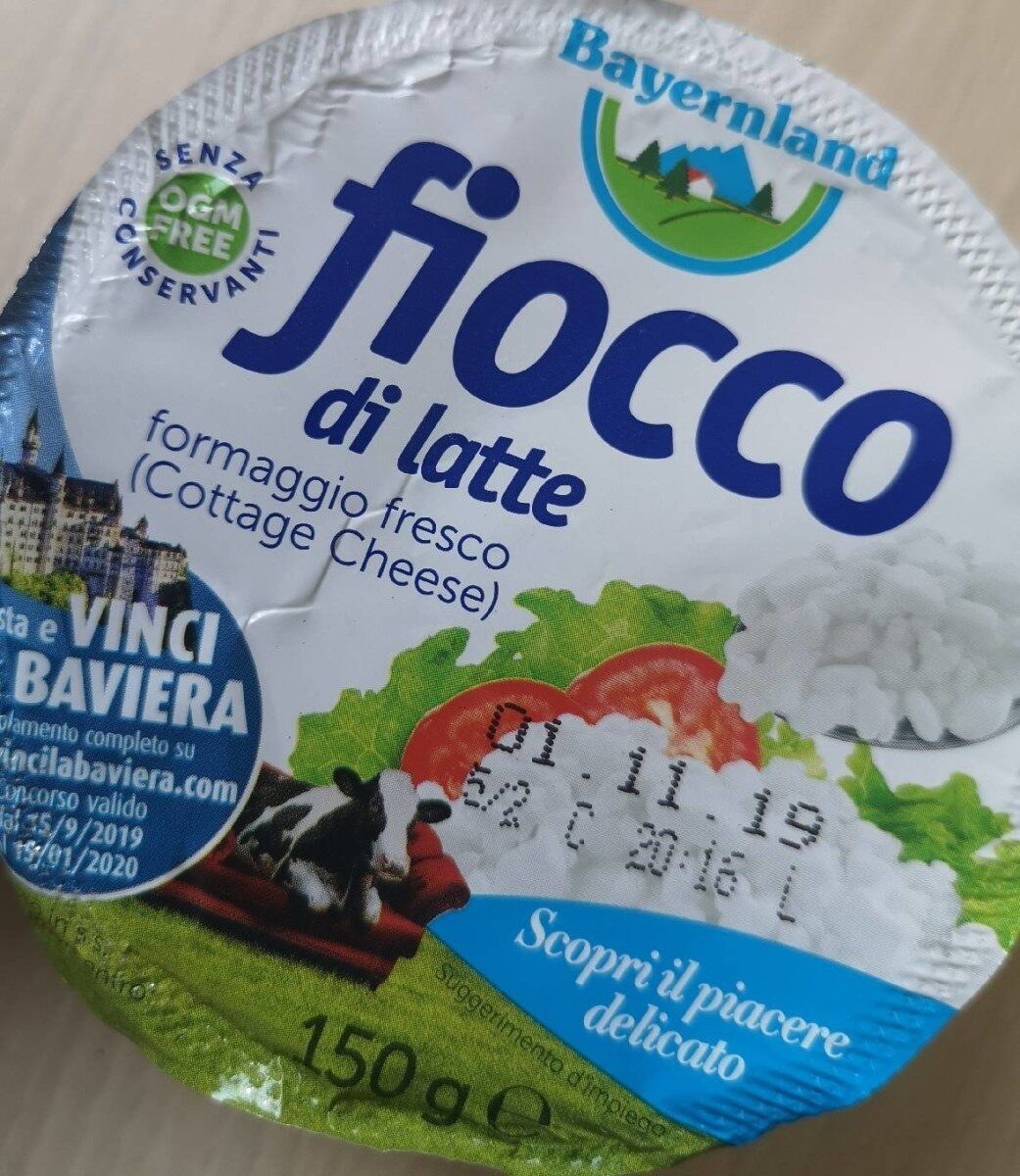
This product is ultra-processed, which limits its potential score despite having a relatively clean ingredient list. The primary ingredient, milk, is beneficial and provides high-quality protein and essential nutrients. However, the inclusion of sodium alginate as a thickening agent contributes to its processing level, which impacts the overall healthiness of the product.
Key ingredients 5
MilkGood
Milk is a primary source of high-quality protein and essential nutrients like calcium and vitamin D. It is minimally processed in this product, retaining its natural benefits. The use of fresh milk indicates a focus on quality and nutritional value.
Risks
Potential risks include lactose intolerance for some individuals.
Benefits
Provides essential nutrients such as calcium and protein, supporting bone health and muscle function.
RennetGood
Beneficial ingredient — whole-food or functional value in this product class.
Benefits
Essential for the cheese-making process, contributing to texture and consistency.
SaltNeutral
Salt is used for flavor enhancement and preservation in cheese products. It is a common ingredient in cheese making, providing necessary taste and texture. The amount used should be moderate to avoid excessive sodium intake.
Risks
Excessive consumption can lead to high blood pressure and other cardiovascular issues.
Lactic culturesNeutral
Lactic cultures are used in cheese making to ferment lactose into lactic acid, aiding in flavor and texture development. They are essential for the fermentation process, contributing to the characteristic taste of cheese. The use of cultures is standard in cheese production and poses no significant health risks.
Benefits
Contributes to the development of flavor and texture in cheese.
Sodium alginateBad
Sodium alginate is used as a thickening agent in processed foods, including cheese. It is derived from brown seaweed and is used to improve texture and stability. While generally recognized as safe, its use in ultra-processed foods can be seen as a negative due to the potential for over-processing.
Risks
May contribute to digestive issues if consumed in large quantities.
Processing
Ultra-Processed Foods
Get the full breakdown in the Scout appTake Scout shopping
Scan any product to see lab results, healthy alternatives, and your personalized analysis.
Download on theApp Store GET IT ONGoogle Play