


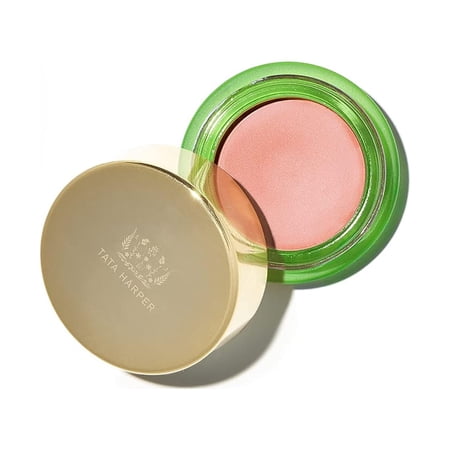

Saie SuperSuede Talc-Free Powder Blush Color: Grazie Size: N/A
Summary
This blush product is talc-free, which is a positive aspect as talc can be a concern for contamination. The formula includes some natural ingredients, but it also contains synthetic components that slightly lower its safety profile. The processing level indicates it is moderately processed, which impacts the overall score.
At a glance
Key ingredients 12
Mica
Mica is a naturally occurring mineral used to add shimmer and shine to cosmetic products. It is generally considered safe for use in cosmetics. However, there are concerns about ethical sourcing and potential contamination with heavy metals.
Risks
Potential contamination with heavy metals if not properly sourced.
Benefits
Provides a natural shimmer and is generally safe for skin application.
Synthetic fluorphlogopite
Synthetic fluorphlogopite is a lab-created alternative to natural mica, used for its shimmering properties. It is considered safer as it is free from natural impurities. It is widely used in cosmetics for its aesthetic appeal.
Risks
Minimal risks as it is a synthetic and controlled substance.
Benefits
Provides shimmer without the impurities found in natural mica.
Kaolin
Kaolin is a natural clay used for its absorbent properties in cosmetics. It helps to control oil and shine on the skin. It is gentle and suitable for sensitive skin types.
Risks
Overuse can lead to dryness in some skin types.
Benefits
Helps absorb excess oil and provides a matte finish.
Squalane
Squalane is a highly effective emollient and natural antioxidant. It is derived from plants and mimics the skin's natural oils. It is non-comedogenic and suitable for all skin types.
Risks
Generally considered safe with minimal risks.
Benefits
Moisturizes and protects the skin, enhancing its natural barrier.
Jojoba esters
Jojoba esters are derived from jojoba oil and are used as emollients in cosmetics. They help to moisturize and soften the skin. They are biodegradable and considered environmentally friendly.
Risks
Minimal risks as they are derived from natural sources.
Benefits
Provides moisturizing benefits and is environmentally sustainable.
Octyldodecanol
Octyldodecanol is a fatty alcohol used as an emollient and emulsifier in cosmetics. It helps to improve the texture and spreadability of products. It is generally considered safe for use in cosmetics.
Risks
May cause irritation in very sensitive skin types.
Benefits
Improves product texture and provides moisturizing properties.
Hectorite
Hectorite is a clay mineral used as a thickening agent in cosmetics. It helps to stabilize emulsions and improve product consistency. It is generally considered safe for use in cosmetics.
Risks
Minimal risks associated with its use.
Benefits
Enhances product stability and texture.
Silica
Silica is used in cosmetics for its oil-absorbing properties and to improve product texture. It provides a matte finish and helps to control shine. It is generally considered safe for use in cosmetics.
Risks
Inhalation of fine silica particles can be harmful.
Benefits
Controls oil and shine, providing a smooth finish.
Ethylhexylglycerin
Ethylhexylglycerin is used as a skin conditioning agent and preservative enhancer in cosmetics. It helps to improve the efficacy of preservatives and provides moisturizing benefits. It is considered safe for use in cosmetics.
Risks
May cause mild irritation in sensitive individuals.
Benefits
Enhances preservative efficacy and provides skin conditioning benefits.
Potassium Sorbate
Potassium sorbate is a preservative used to prevent the growth of mold and yeast in cosmetics. It is effective at low concentrations and is considered safe for use. It is widely used due to its low toxicity.
Risks
May cause mild irritation in sensitive skin types.
Benefits
Prevents microbial growth, extending product shelf life.
Alumina
Alumina is used as an abrasive and thickening agent in cosmetics. It helps to improve product texture and stability. It is generally considered safe for use in cosmetics.
Risks
Inhalation of fine particles can be harmful.
Benefits
Improves product texture and stability.
Boron
Boron compounds are used in cosmetics for their anti-inflammatory and skin conditioning properties. They help to improve product texture and provide a smooth application. They are generally considered safe for use in cosmetics.
Risks
Excessive exposure can lead to irritation.
Benefits
Provides anti-inflammatory benefits and improves product texture.
Processing
Processed Foods
Get the full breakdown in the Scout app
Scan any product to see lab results, healthy alternatives, and your personalized analysis.
Download on theApp Store