


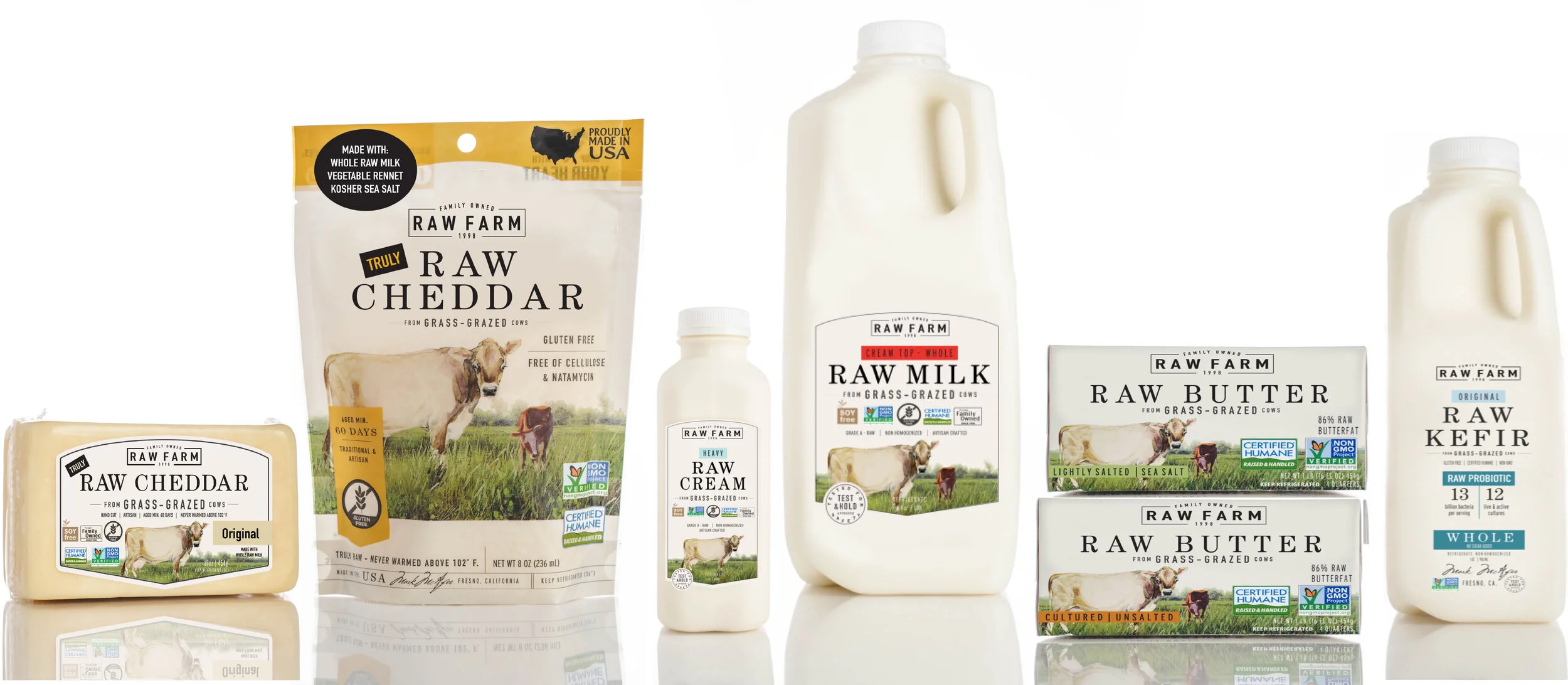

Whole milk
Summary
Whole milk is a minimally processed product that retains its natural nutrient profile, providing essential nutrients such as calcium, protein, and vitamin B12. The addition of Vitamin D3 enhances its nutritional value, supporting bone health and immune function. Its low level of processing and absence of harmful additives contribute to its high rating.
At a glance
Key ingredients 2
MilkVery Good
Milk is a natural source of essential nutrients such as calcium, protein, and vitamin B12, which are beneficial for bone health and overall nutrition. It is minimally processed, typically involving pasteurization to ensure safety while retaining its nutritional profile. Compared to alternatives, milk provides a balanced nutrient profile with a natural source of vitamins and minerals.
Benefits
Rich in calcium and protein, supporting bone health and muscle maintenance.
Vitamin D3Good
Vitamin D3 is added to milk to enhance its nutritional value, particularly in supporting bone health by aiding calcium absorption. It is typically derived from lanolin or fish oil and is essential for maintaining healthy bones and immune function. Fortification with Vitamin D3 is beneficial, especially in regions with limited sunlight exposure.
Benefits
Enhances calcium absorption and supports bone health, especially important in regions with limited sunlight.
Processing
Unprocessed or Minimally Processed Foods
Get the full breakdown in the Scout app
Scan any product to see lab results, healthy alternatives, and your personalized analysis.
Download on theApp Store